Dinner in a cave: Quintana Roo's most unusual restaurants
🚀 Key Takeaways
- Core idea : Unique meals happen in cenotes and coastal caves across the Riviera Maya.
- Practical tip : Book well in advance, bring insect repellent and a light jacket for cooler cave air.
- Did you know : Cenotes are natural sinkholes formed in limestone, and they were sacred to the Maya.
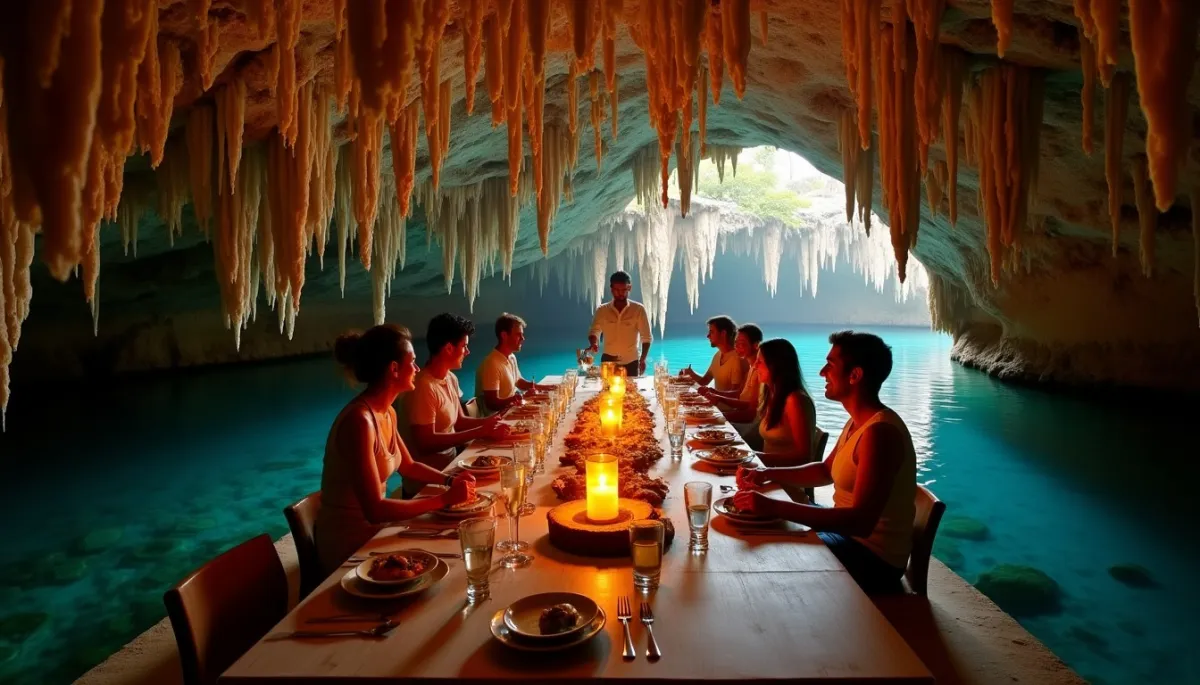
Imagine lowering a glass into cool, clear water while stalactites glint above. You feel both very small and completely present.
Tables glow with soft lamps, the air carries salt and earth, and a waiter slides a plate of grilled lobster across a rough stone slab. In Quintana Roo, dining inside caves or beside cenotes is more than theatre, it is a way to connect food to place. From informal garden-restaurants in Playa del Carmen to curated pop-ups inside sinkholes, the Riviera Maya offers a range of subterranean culinary experiences that attract curious travelers and local food lovers alike.
repères souterrains
The phenomenon is part heritage, part show. Along the coast and inland, restaurants and event organizers use natural limestone formations to stage meals that engage sight, sound and scent. Some venues are adaptations of existing spaces, others are temporary dinners created for a single night.
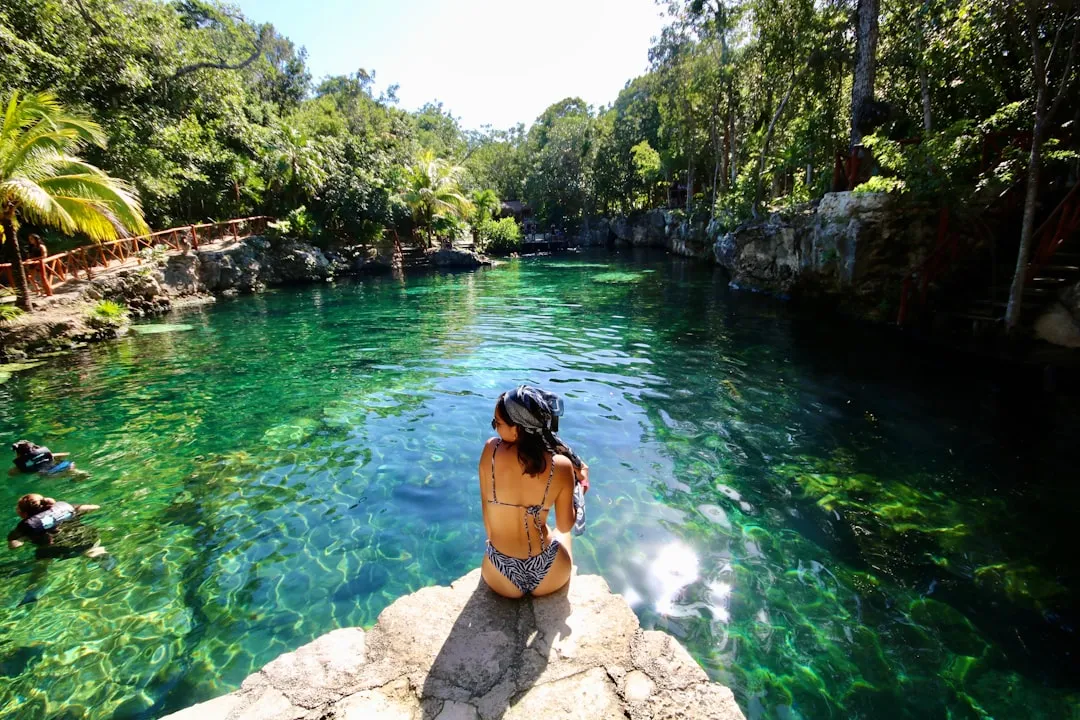
Geologically, the Yucatán peninsula is a karst platform (porous limestone), so rivers run underground and cenotes appear when the roof collapses. Quintana Roo therefore has a concentration of accessible, dramatic cavities where water reflects torchlight. This landscape gives the dinners a visual identity that no beachfront terrace can match.
Historically, cenotes were sacred to the Maya. Archaeological finds, notably in the Cenote Sagrado at Chichén Itzá during early 20th century excavations, revealed offerings and human remains. Today, while meals celebrate that heritage visually, many hosts emphasize respect and conservation of these fragile sites.
pourquoi le sous-sol
Why has dining underground become fashionable here? One driver is experiential travel. Since the mid-2010s, tourists search less for generic luxury and more for distinct memories. A private dinner in a candlelit cenote is instantly shareable, yet it also offers intimacy that social feeds crave.
Local chefs and boutique hotels responded. In Tulum and Playa del Carmen, culinary teams design menus that use local seafood, Mayan spices and fire cooking, to fit the elemental nature of cave settings. The contrast between raw geology and refined plating creates a tension diners love.
There is also an economic angle. Quintana Roo receives millions of visitors each year, and unique dining options help differentiate the region from other sun-and-beach destinations. Pop-ups and exclusive cave dinners command premium pricing, and they engage sustainable tourism narratives when organizers partner with conservation groups.
ambivalences et conseils
Not everything is romantic. Hosting events in delicate environments raises questions. Lighting, foot traffic and waste management must be handled carefully. Responsible organizers limit guest numbers, use low-impact lighting, and transport waste away from the site to avoid damaging aquifers.
Practical tips for travelers. Reserve weeks ahead, especially in high season from December to April. Wear shoes with grip, bring a sweater as cave air can be cool, and avoid sunscreen or lotions before entering a cenote to protect water quality. Ask the host about their conservation practices before booking.
Where to start. In Playa del Carmen, La Cueva del Chango offers a jungle-cenote atmosphere that feels intimate and authentic. For immersive park-based experiences, Xcaret has long highlighted underground rivers since the park opened in 1990, and some curated events use those settings. Finally, look for chef pop-ups announced on local gastronomy forums and Instagram, often scheduled around full moons or cultural festivals.
These underground dinners are at once ancestral and modern. They invite you to taste the Riviera Maya's layers, geology and history, while sharing a meal that you will remember for years.
Thanks for reading, and don't forget, Enjoy Life Moments!