The terrace art: psychology of the great cafés on the French Riviera
🚀 Key Takeaways
- Core concept : Terraces act as a "third place" (social space outside home and work).
- Practical tip : Choose a table facing the street to observe, or the sea to rest; timing matters, mornings are local.
- Did you know : The Promenade des Anglais and Belle Époque hotels (early 20th century) shaped the Riviera terrace culture.
Sun, chatter, the clink of cups.
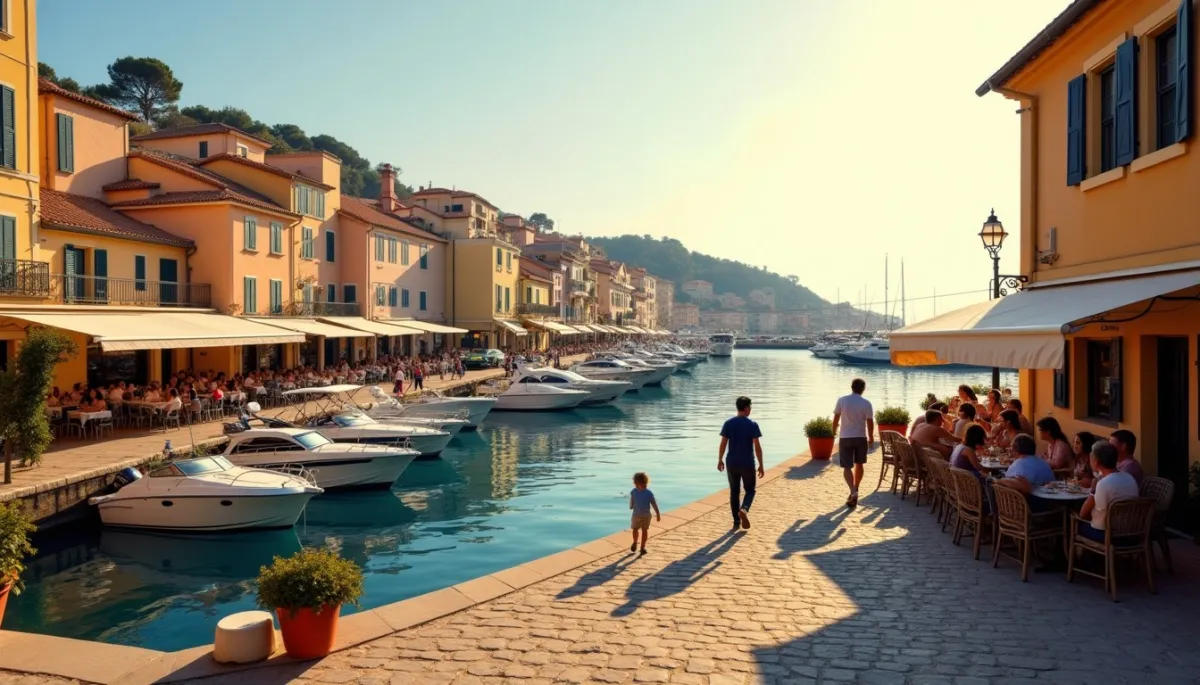
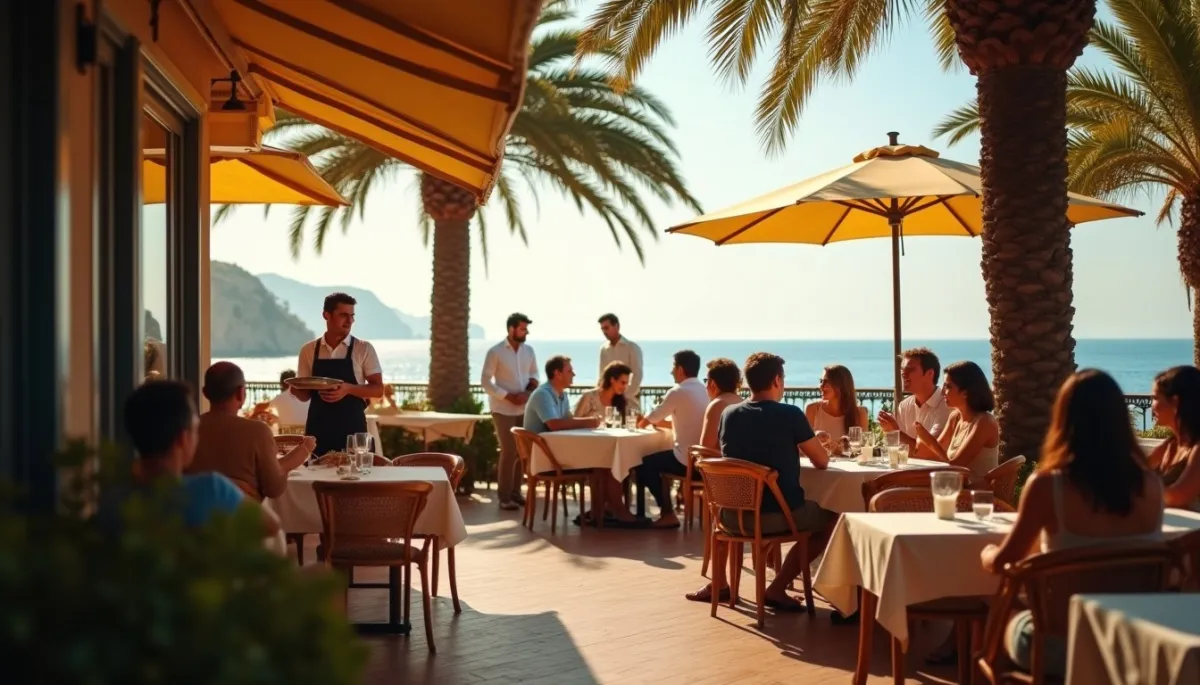
Imagine Place Masséna at 10 a.m., a florist just finishing a delivery, a waiter polishing chrome, a writer nursing an espresso while taking notes. Beyond the palms, a tram hums; on the terrace, languages shift from Niçois to English, Russian and Italian. The scene is ordinary and theatrical at once.
Social stage
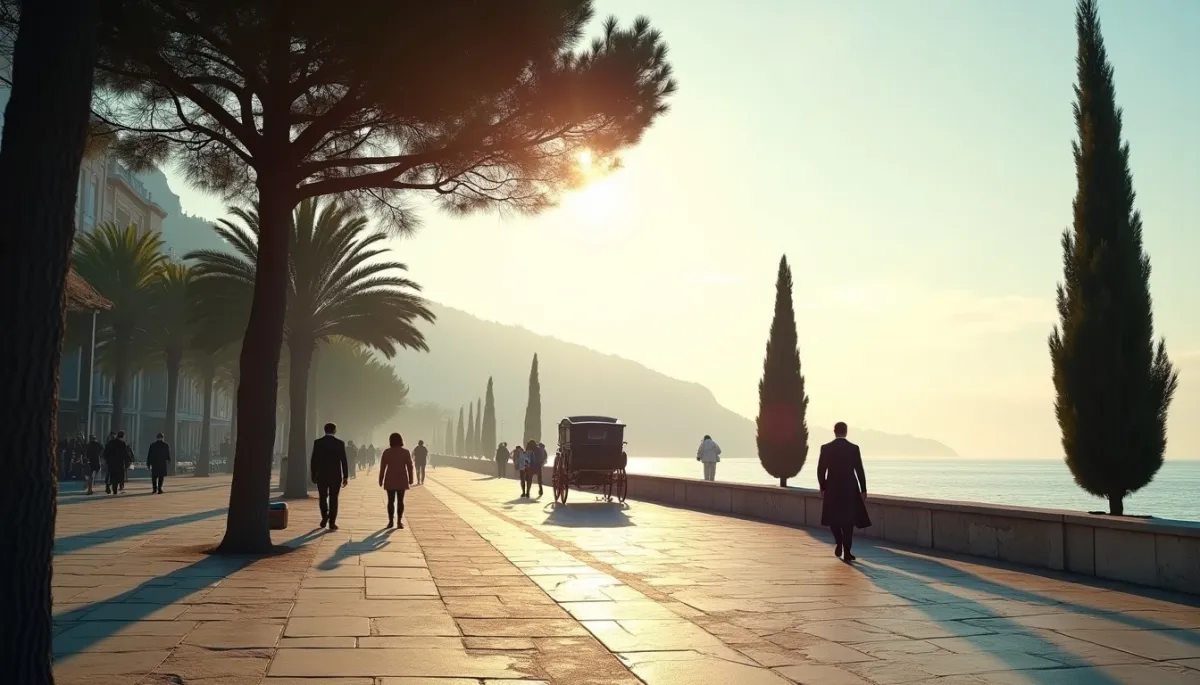
Terraces are public rooms. The sociologist Ray Oldenburg called similar spaces "third places" (a neutral ground that fosters community). On the Riviera, cafés like the historic Café de Paris in Monte-Carlo or the terraces along the Promenade des Anglais function as these living rooms, but with Mediterranean light and panoramic backdrops.
They organize daily life. Locals reserve the same table, workers meet clients, tourists watch and imitate rituals. A University of Exeter review (2019) on "blue space" effects also notes that views of water improve mood and social interaction, which helps explain why seaside terraces are preferred gathering points.
Because terraces are visible, they create gentle social rules: dress codes loosen but reputation tightens. Being seen sitting calmly can be as meaningful as conversation itself. For many, a terrace table is a stage where identity is performed and observed.
Roots and rhythm
The Riviera terrace culture grew with the 19th and early 20th century boom. The Promenade des Anglais became a magnet for winter visitors from Britain and Russia. Hotels like Le Negresco (opened in 1913) and cafés which settled near casinos and piazzas turned outdoor seating into a ritual of leisure and display.
Artists and writers contributed to the myth. Between 1900 and 1950, painters and composers used café terraces to exchange ideas. Even if not every anecdote is famous, the pattern is real: terraces served as creative salons, incubators of conversation and chance meetings.
Today, terroir and seasonality also structure terraces. Markets like Cours Saleya in Nice (historic since the 19th century) feed nearby cafés. Chefs and baristas adapt menus to light of day: lighter breakfasts by the sea, longer lunches shaded by awnings, apéritifs at sunset. This temporal choreography is a form of local expertise.
Tension and transformation
Modern terraces face contradictions. Tourism brings income and visibility, but also crowding and gentrification. Municipal regulations (for example, recent expansions of pedestrian zones in Nice and Cannes) change where and how terraces operate, sometimes limiting capacity, sometimes favouring convivial streetscapes.
Environmental concerns add complexity. Rising summer temperatures and stricter rules on plastic and waste push cafés to rethink shade, plantings and service. Some terraces now use native potted plants to create microclimates. Others install discreet screens to respect privacy without closing the space.
Innovation coexists with tradition. Classic rituals — espresso etiquette, the mid-morning pastis, the careful tasting of Socca in Nice — remain. At the same time, you will find vegan pastries, specialty coffee brews, and QR menus. The terrace adapts, but its core psychology persists: being together, while being observed.
Practical advice: arrive mid-morning to meet locals, ask for a sea-facing table to calm the mind, tip 10 percent for attentive service, and never rush the apéritif. Observe more than you photograph, and ask the waiter about the house special, you will hear a story.
Thanks for reading, and don't forget, Enjoy Life Moments!