The rise of electric boating: the future of silent, wake-free leisure
🚀 Key Takeaways
- Concept key : Electric boats offer near-silent navigation and reduced wake, changing seaside leisure.
- Practical tip : Look for marinas with shore power and fast chargers in Cannes, Antibes, and Nice for day rentals.
- Did you know : Hydrofoil electric boats (foiling) greatly extend range by reducing drag.
Silence on the water invites you to listen. Imagine gliding past Cap d'Antibes, no engine roar, only seabirds and conversation.
calme retrouvé
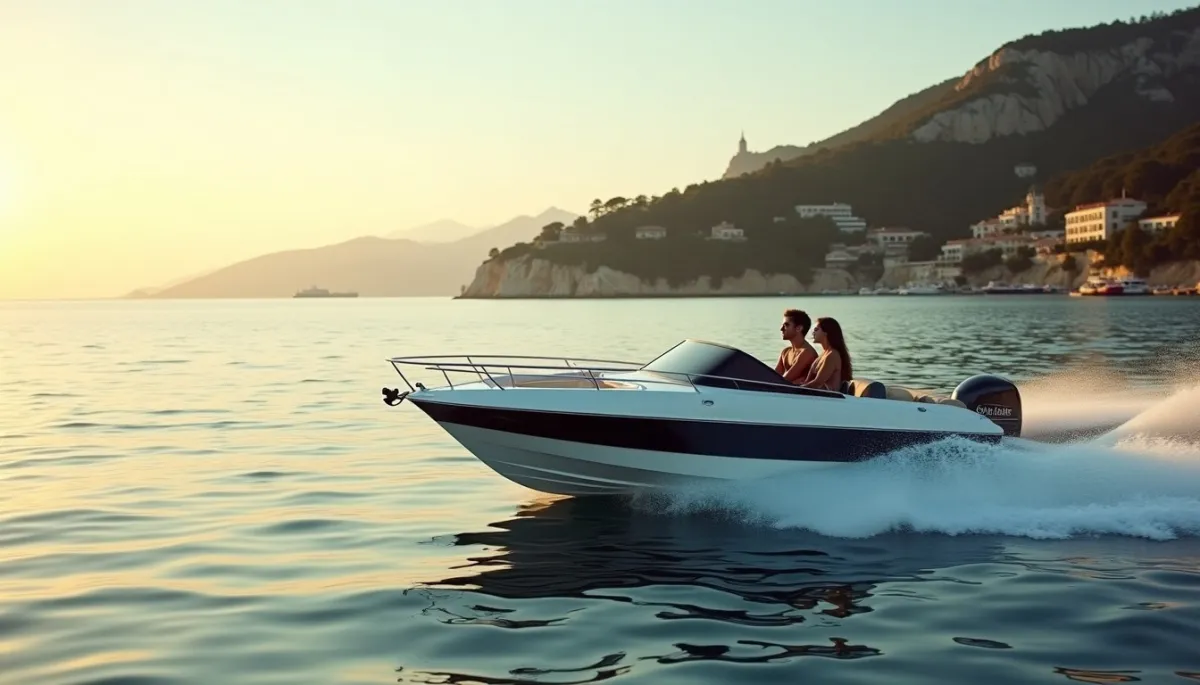
The scene is immediate: a small electric day-boat slips out of a crowded marina, its passage leaving barely a ripple. Onboard, couples and families talk without shouting, they point at the shoreline, at villas and fishermen, and at the distant Monaco skyline.
The appeal is physical and emotional. Electric propulsion replaces combustion noise and vibration with a gentle hum, and wakes are often smaller or absent when boats are designed for low wash. For coastal towns whose harbor fronts double as living rooms, this is transformative.
On the Riviera, where tourism and marine biodiversity meet, quiet navigation improves the visitor experience and helps protect sensitive shorelines and seabeds from erosion caused by large wakes.
une tendance qui s'impose
Electric pleasure boating is no longer a niche. Since the late 2010s, start-ups and established yards have launched models that range from electric tenders to full-sized day-cruisers. Swedish company Candela popularized electric hydrofoils, and European manufacturers such as Torqeedo advanced electric outboard technology, making silent boating practical for many users.
Events on the Côte d'Azur reflect the shift. The Cannes Yachting Festival in 2023 and subsequent editions saw a noticeable increase in electric models on display, from foiling yachts to smart, low-wash electric tenders used by luxury charters. At the Monaco Yacht Show, exhibitors started highlighting electric auxiliaries and hybrid solutions as standard options.
Market forecasts continue to predict robust growth, driven by regulatory pressure on emissions, changing consumer expectations, and technological progress in batteries and lightweight materials. In short, demand and supply are converging toward electrification.
les raisons du mouvement
There are concrete motives behind the trend. First, environmental concerns: sea traffic contributes to local air and noise pollution. Coastal municipalities, keen to preserve water quality and tourist appeal, favor quieter boats and may incentivize electrification through reduced fees or dedicated berths.
Second, technological progress. Battery energy density has improved since 2015, and coupled with efficient electric motors and hull designs, modern electric boats can perform day trips reliably. Hydrofoils reduce hull drag by lifting the hull above water, meaning lower energy consumption and longer effective range.
Third, infrastructure expansion. Ports along the Riviera, from Nice to Saint-Tropez, have been upgrading shore power and installing fast-charging points. Local boatyards and charter companies now offer electric options, making it easier for visitors to try silent sailing without long-term ownership commitments.
petites vagues, grands défis
The transition is not without limits. Range anxiety remains a real consideration for owners used to the long autonomy of diesel tanks. Electric boats are often optimized for short cruises and day use, although foiling models have pushed that envelope.
Cost is another barrier. High-performance electric craft and fast-charging infrastructure require investment. Yet resale values, lower maintenance (fewer moving parts), and reduced fuel costs can offset the purchase price over time.
Regulation and standardization are evolving. Rules on wake limits, noise, and marina charging standards are still being harmonized across French ports. This is an active policy area, and local initiatives on the Riviera will influence adoption speed.
pratiques et conseils
If you plan to test an electric boat on the Riviera, here are practical tips. Book through reputable charter operators in Antibes, Cannes, or Nice who maintain battery health and provide clear itineraries tailored to range. Prefer day trips along sheltered coasts where speeds are moderate, and always verify charging options at your return port.
For owners, consider hybrid solutions or boats with modular battery packs that can be swapped or charged ashore. Keep an eye on battery conditioning and winter storage, as lithium batteries need careful maintenance to retain capacity.
Finally, be curious. Attend demonstrations and the next local yachting events to see hydrofoils and low-wash designs in action. Once experienced, silent boating changes how you relate to the sea; it invites slower, more attentive cruising.
Thanks for reading, and don't forget, Enjoy Life Moments!