Myth and reality of the French Riviera
🚀 Key Takeaways
- Core concept : The Riviera is both myth and lived reality, shaped by tourism, art and local life.
- Practical tip : Visit early morning markets in Nice or Menton to see authentic daily life before crowds arrive.
- Did you know : The term Côte d'Azur was popularized in 1887, but the coast attracted visitors long before.
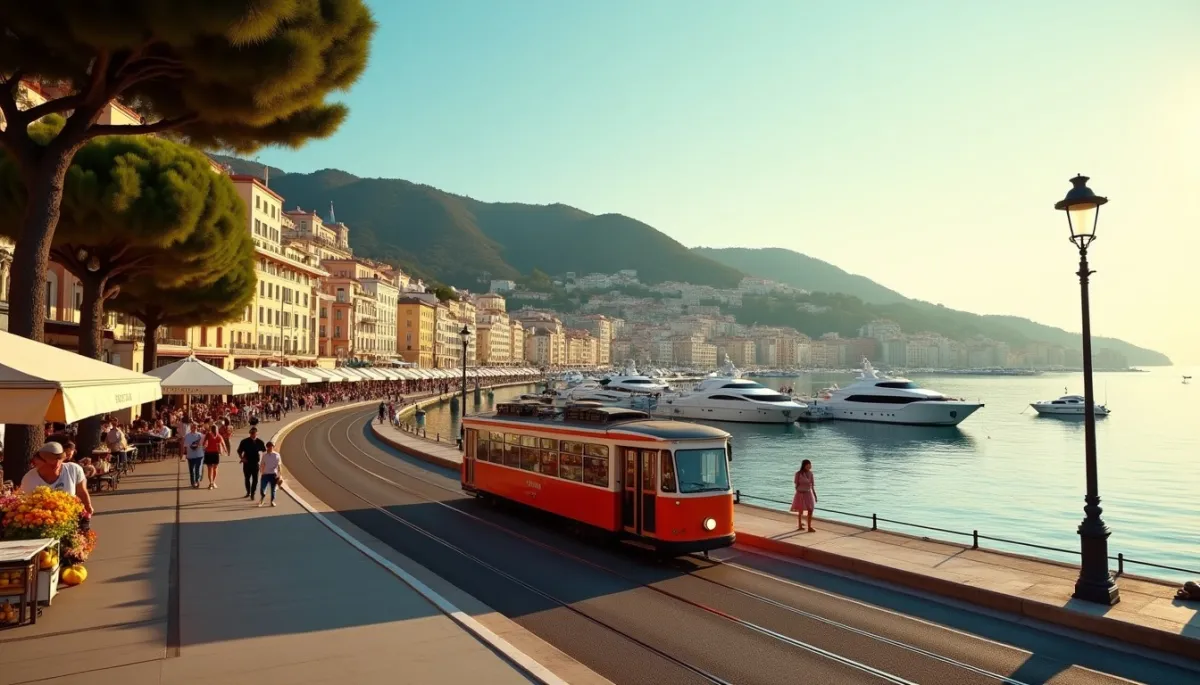
Sunlight hits the Promenade des Anglais and a single tram clacks past, while a crew prepares a yacht in the port. The scene is familiar, cinematic, almost expected.
Yet behind that postcard image lies a complex reality. In the short term, this creates visible consequences for residents and visitors: crowded beaches during summer, high real estate prices in Villefranche and Cap-Ferrat, festivals that bring both prestige and pressure. Consider Cannes during the Film Festival, where hotel occupancy spikes and small streets become arteries for global media. Or think of Saint-Tropez, once a fishing village, transformed in the 1950s and 1960s by Brigitte Bardot and the jet set, which changed its economy and self-image permanently.
Rivages révélés
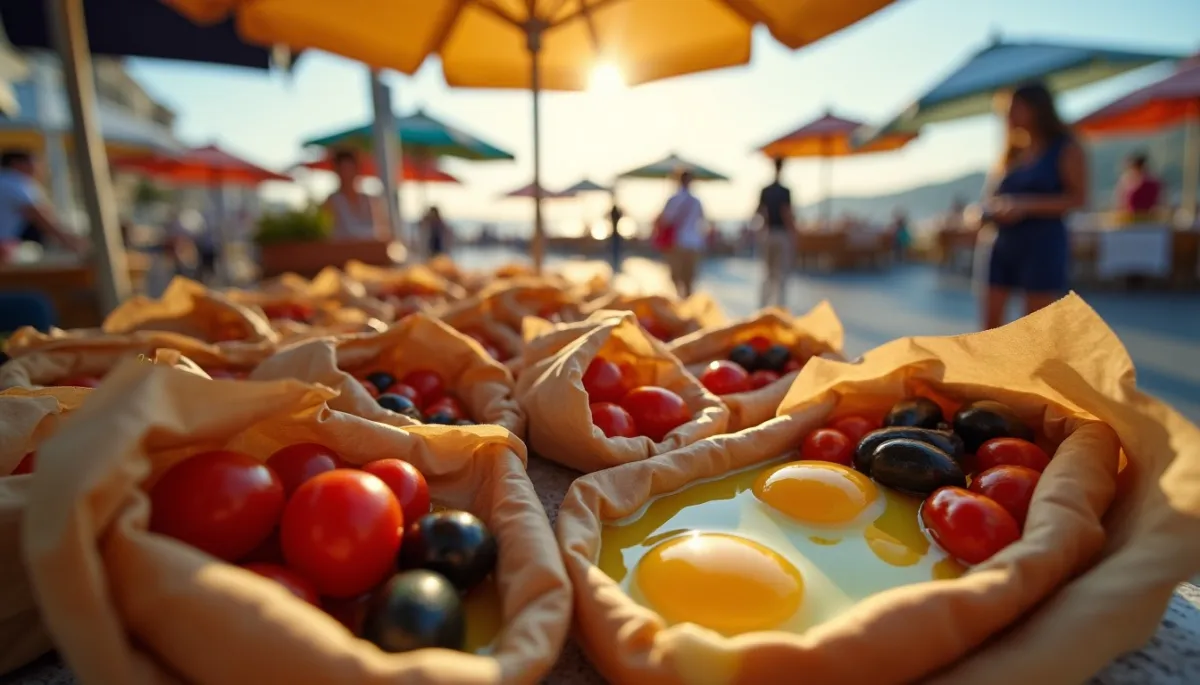
Tourism's visible traces are immediate. On Nice's Promenade, sunbeds line the pebbles, tour buses stop at viewpoints, and Instagram frames are everywhere. But walk five minutes inland and you find a bakery with locals queuing, or the Marché Saleya where produce sellers shout in Provençal rhythms. These juxtapositions make the Riviera tangible, beyond the brochure.
Ports tell stories too. Monaco's harbor displays megayachts, symbols of wealth and global finance. Nearby, Antibes and its Picasso Museum recall the period when artists turned the same light into canvases. In Juan-les-Pins, the Jazz à Juan festival still draws music lovers, a reminder that the Riviera's cultural calendar is not only luxury, it is also artistic heritage.
Infrastructure reflects the mix of myth and daily life. Nice Côte d'Azur airport and the TGV station at Nice Saint-Augustin connect the coast to Europe. The TER (regional trains) thread through coastal towns and up to Grasse and Èze, offering affordable travel. The consequence is a double audience: short-stay tourists in summer and year-round residents who rely on these services.
Racines partagées
Understanding why the Riviera became iconic requires looking back. From the 18th century, British and Russian aristocrats wintered in Nice and Menton, building villas and gardens. In 1887, writer Stéphen Liégeard popularized the expression Côte d'Azur, packaging that coastal light into a brand long before modern marketing existed. Artists such as Matisse in Nice, Picasso in Antibes and Cocteau in Menton cemented the cultural aura.
Economic causes also shaped the coast. The rise of seaside resorts in the Belle Époque created hotels like the Negresco in Nice and the Martinez in Cannes, attracting elites and creating service economies. The invention of leisure travel, railways and later automobile access spread middle-class tourism. These historical layers explain why the Riviera feels both aristocratic and accessible.
Local initiatives respond to these roots. In the hinterland, agritourism around Grasse and the olive terraces of Nice's hinterland promote heritage agriculture. Festivals evolve too. The Cannes Film Festival remains elite, but newer events emphasize sustainability and local talent. Together, these causes show that identity is not static, it is continually negotiated between history and contemporary choices.
Contrastes à venir
Contradictions are inevitable. Climate change makes summers hotter and increases wildfire risk in the Maures and Esterel massifs, a reality that complicates the Riviera's sun-and-sea promise. Rising sea levels and pressure on coastal infrastructure force cities to rethink beaches, ports and promenades. This is the immediate contradiction between mythic permanence and environmental vulnerability.
Economic tensions persist. Property prices on Cap-Ferrat and in Beaulieu-sur-Mer push younger locals inland. The term gentrification (change in neighborhood character due to rising costs) helps explain why artisans and fishermen sometimes feel marginalized. At the same time, luxury tourism funds restoration projects, museums and conservation efforts. The challenge is to ensure benefits are widely shared.
Practical advice for travelers reflects these contradictions. Go early to avoid crowds, take regional trains to reduce environmental impact, and seek guided visits in hinterland villages like Èze and Peillon to support local guides. Taste local cuisine, from socca and pissaladière in Nice to lemon-based dishes in Menton, to experience everyday Riviera life beyond yachts and red carpets.
Finally, a few indiscretions. Villa Ephrussi and Villa Kérylos are must-sees for Belle Époque architecture. The lesser-known coastal path from Saint-Jean-Cap-Ferrat to Beaulieu offers classic views with fewer tourists. And on quiet mornings in Villefranche, you might still find fishermen selling their catch directly on the quay.
In short, the French Riviera remains a place of myths and hard facts. Its light produces art and longing, its economy creates glamour and displacement, and its communities invent new balances each season.
Thanks for reading, and don't forget, Enjoy Life Moments!