Why Queen Victoria spent her winters on the French Riviera

🚀 Key Takeaways
- Core idea : A mild climate and new transport made the Riviera a winter refuge for Victoria and her circle.
- Practical tip : Visit Menton or Villefranche in winter for mild temperatures and fewer crowds.
- Did you know : The Monte-Carlo casino opened in 1863, helping to attract European society to the coast.
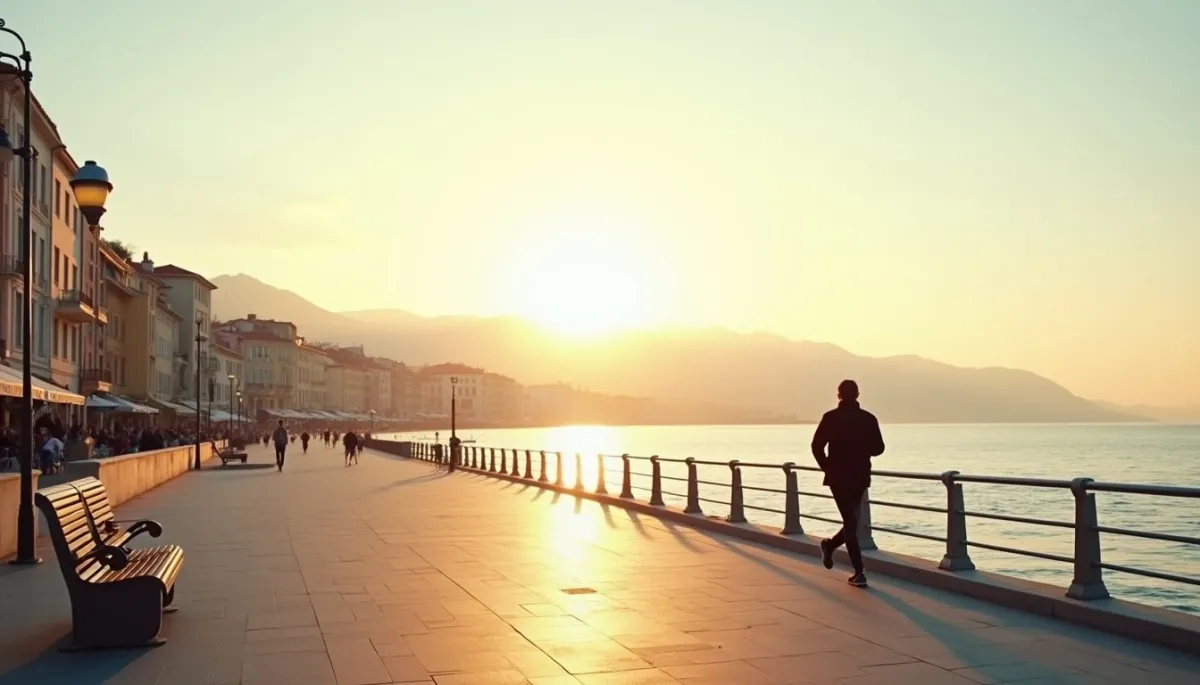
Sunlight matters. Picture a pale winter sun sliding along cypresses and palms, the Mediterranean shimmering in chill air, promenades nearly empty except for a carriage wheel or two.
Winter stage
In the late 19th century the French Riviera (often called the Côte d'Azur) began to be experienced differently. No longer just a fishing and farming shore, it became a place to live through winter. British aristocrats arrived to escape foggy, damp winters at home.
Queen Victoria (reigned 1837-1901) is often invoked as a key figure in that transformation. Her status made any place she favored automatically fashionable. When members of the royal family and senior British society spent months on the Riviera, hotels, villas and promenades followed.
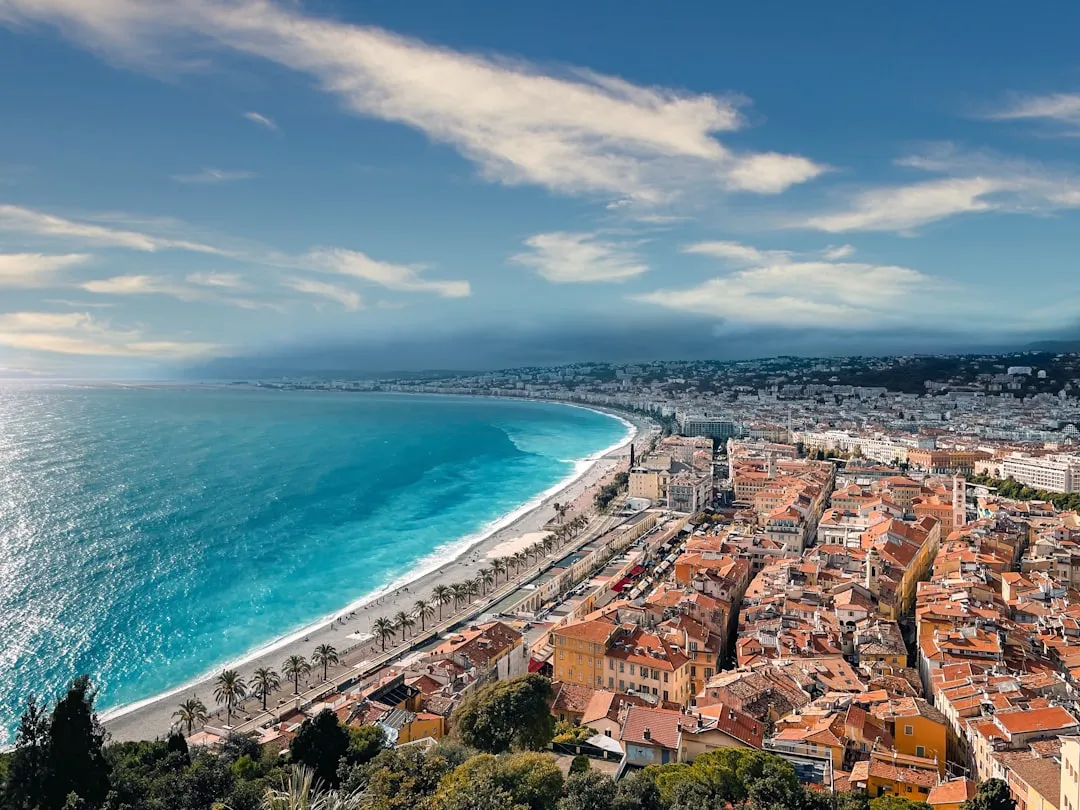
The development had concrete effects. Towns such as Nice, Cannes, Menton and Monte-Carlo expanded lodgings and infrastructure. The Monte-Carlo casino (opened 1863) and the growth of luxury hotels created an economy oriented around a winter clientele.
Sun and health
One obvious reason was the climate. Winters on the Riviera are mild (daytime averages often between 10 and 15°C). In an era when medical advice recommended fresh air and sunshine for respiratory and rheumatic conditions, the Mediterranean offered a visible remedy.
Travel doctors and travel literature of the period promoted wintering in warm coastal climates. For many elderly or infirm Victorians, the combination of sea air and moderate temperatures made months away a medical and social necessity.
Beyond health, sunlight mattered symbolically. A luminous promenade, lemon groves in bloom and the absence of snow created an environment that felt restorative and civilized, a contrast with industrial Northern winters.
Transport and fashion
Another key factor was mobility. Mid-19th century improvements in travel (steamship routes and expanding rail networks across Europe) made the Riviera accessible to British society in a matter of days rather than weeks.
The Suez Canal opening in 1869 also accelerated long-distance travel for the British empire, and at home, quicker journeys to southern France encouraged seasonal migration. Wealthy families established villas and long-term winter habits.
The royal seal of approval mattered. When high-ranking figures chose the Riviera, printers and travel guides followed. Newspapers and guidebooks in London wrote about promenades, garden parties and balls, creating a cultural momentum that outlived any single visitor.
Complex legacy
Still, the wintering trend had contradictions. The influx of wealth reshaped local economies, creating jobs but also changing land use. Villas replaced olive groves, and real estate markets catered to foreigners.
There were tensions between the seasonal rhythm of tourism and year-round life for locals. Conservation was not a priority then, so some coastal development had lasting environmental costs. Yet many towns benefited from improved roads, better health care and cultural institutions.
Today, the Riviera keeps that winter pedigree. Museums, promenades and gardens date from that era, and a winter visit rewards travelers with gardens in bloom, cultural events and a still-milder climate than much of Europe.
Thanks for reading, and don't forget, Enjoy Life Moments!