Slow travel by panoramic train: crossing the Alps with elegance
🚀 Key Takeaways
- Core concept : Travel slowly, experience deeply on panoramic alpine trains.
- Practical tip : Book Glacier Express and Bernina seats in advance, consider a Swiss Travel Pass for flexibility.
- Did you know : The Bernina line is UNESCO listed since 2008, offering dramatic glacial landscapes.
Open the window, breathe, and let the mountains set the rhythm.
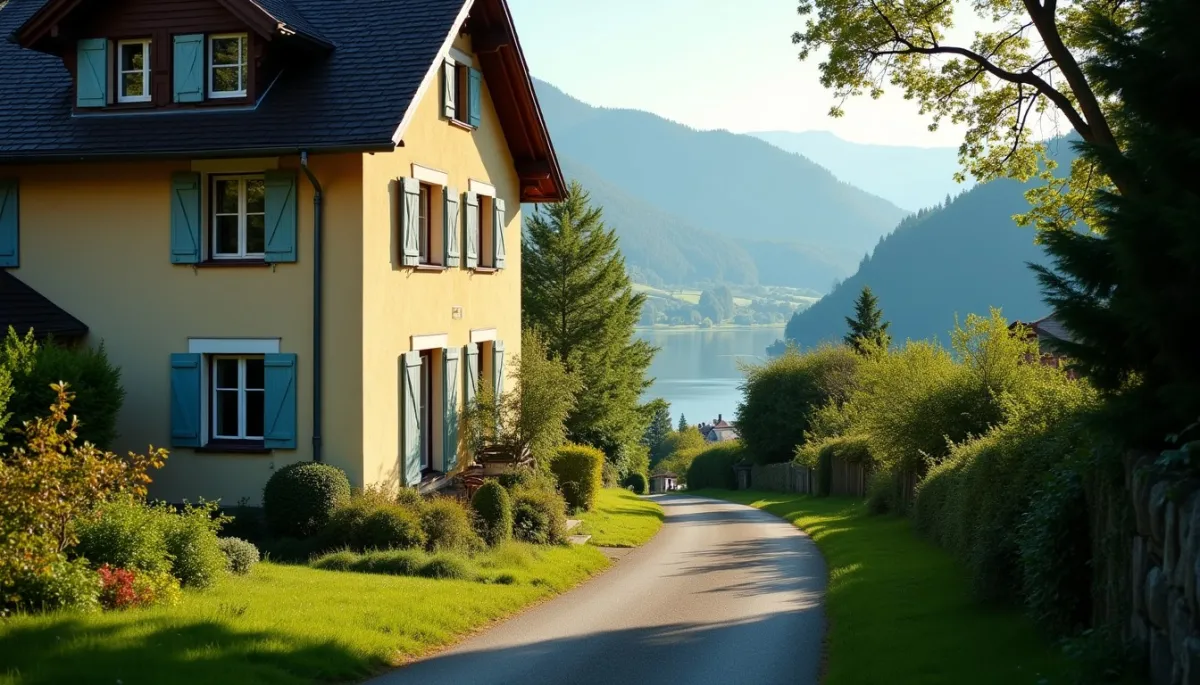
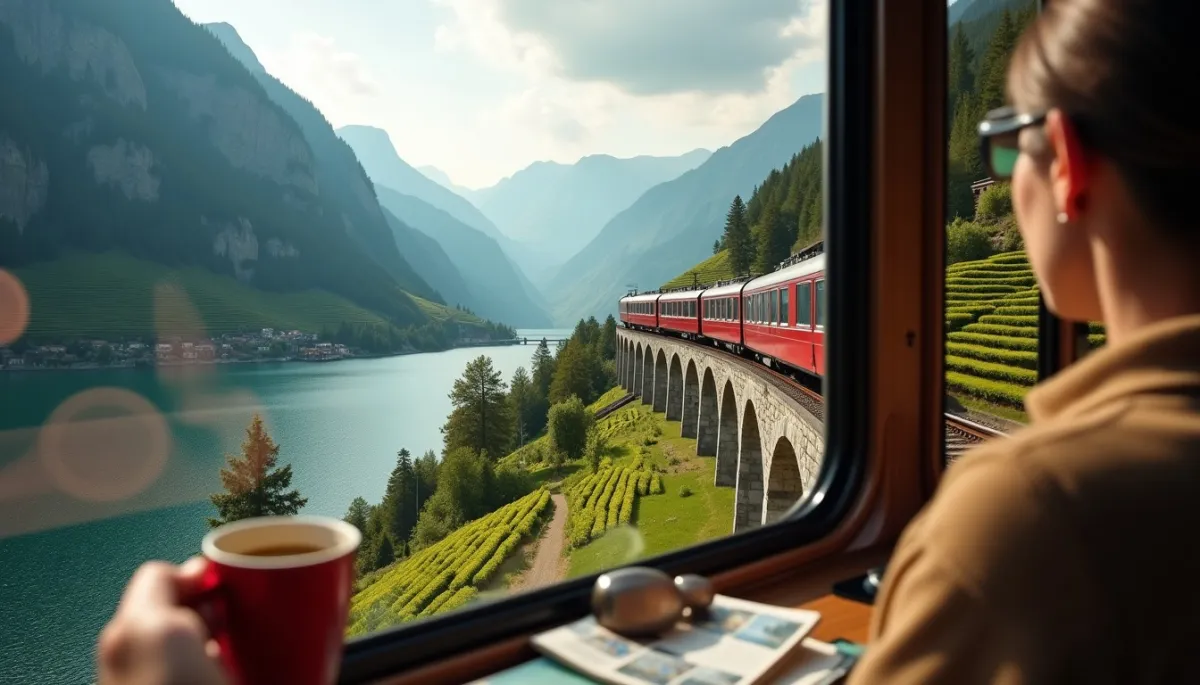
Imagine sitting in a panoramic carriage as sunlight draws filigree patterns on a lake, while the train curves through viaducts and hairpins. Outside, villages cling to slopes, chalets guard terraced vineyards, and every tunnel exit reveals a new panorama. Onboard, the murmur of conversation blends with the click of a camera and the soft clink of a coffee cup. This is slow travel, in a seat designed to watch the Alps unfold like a long, elegant story.
Voyage en images
Panoramic trains such as the Glacier Express, Bernina Express, and the GoldenPass line turn transit into theatre. The Glacier Express, inaugurated as a named train in 1930, links Zermatt to St. Moritz over 291 kilometres, crossing 291 viaducts and 91 tunnels. The Bernina Express connects Tirano to St. Moritz, and its route was added to the UNESCO World Heritage list in 2008 for outstanding engineering within a fragile landscape.
Onboard carriages boast oversized windows and raised seats, but the true luxury is the pace. A journey that by car could feel like a checklist becomes an opportunity to notice details: stone bridges built in the 19th century, rust-coloured autumn larches, vintners pruning in spring. Slow travel here means time to observe seasonal rhythms and human scale, not only peaks and passes.
For residents and visitors, these trains are cultural threads. The GoldenPass connects Lake Geneva to the Bernese Oberland, offering a postcard view of the Swiss Riviera near Montreux, where Freddie Mercury's statue watches the lake. Local markets, cheese dairies, and vineyard terraces are approachable side excursions when you allow the itinerary to breathe.
Pourquoi choisir la lenteur
Slow travel is a reaction to hurried tourism. Since the 2010s, travellers have sought deeper experiences rather than ticking off icons. Trains answer that call by offering comfort, reliability, and an eco-friendlier footprint compared to short-haul flights. Switzerland's rail network is famous for its density and punctuality, making it an ideal arena for slow journeys.
Beyond ecology, the emotional payoff is high. Sharing a multi-hour train ride with someone invites conversation, reading, or simple silence. Artists and writers historically used such corridors to observe and create; in recent years, influencers and slow travel advocates have revived this appetite for unhurried passage. The result is a renewed interest in scenic rail tourism and local discovery.
Practically, the Swiss Travel Pass simplifies planning. It covers most journeys and often works with panoramic trains, though special services like Glacier Express require a seat reservation. For the budget-minded, travel by regional trains while piecing together vistas can be equally rewarding.
Notes et contrastes
Slow travel by panoramic train is not without tensions. Popular routes can be crowded in high season, and special panoramic carriages sell out weeks in advance. Glacier Express, for example, schedules fewer departures in winter, making planning essential. The very success of these trains creates challenges for locals and for maintaining authenticity.
Infrastructure upgrades and tourism development require balance. The Gotthard Base Tunnel, opened in 2016, prioritizes speed and freight, while older mountain routes preserve scenic value. Switzerland faces choices between efficiency and experience, and recent policy debates have focused on harmonizing tourism growth with landscape protection.
Yet opportunities abound. Off-peak travel, mid-week departures, and combining rail with slow hikes or vineyard stays spread visitor flows. Small initiatives, such as local food served on board or partnerships with Chateau hotels on the Swiss Riviera, help anchor travel to places and people, not only vistas.
Practical tips: reserve panoramic seats early, check seasonal timetables, travel light with a daypack, and plan overnight stops to rediscover a valley at dawn. Bring layers, because alpine weather changes fast, and carry a printed timetable as backup for remote stretches. Finally, let curiosity guide you; ask the conductor about the viaducts, stop at a village market, extend a stay if the mood insists.
Thanks for reading, and don't forget, Enjoy Life Moments!