Secrets of Lake Geneva: depths, currents and mysteries
🚀 Key Takeaways
- Key concept : Lake Geneva is the largest lake in Switzerland and one of the most significant in Western Europe, with maximum depths around 310 m and varied thermal layers.
- Practical tip : Visit in late spring to early autumn for calmer waters and clearer visibility for lakeside walks and short boat trips.
- Did you know : The lake experiences seiches, underwater currents, and distinct thermal layering that influence local weather and aquatic life.
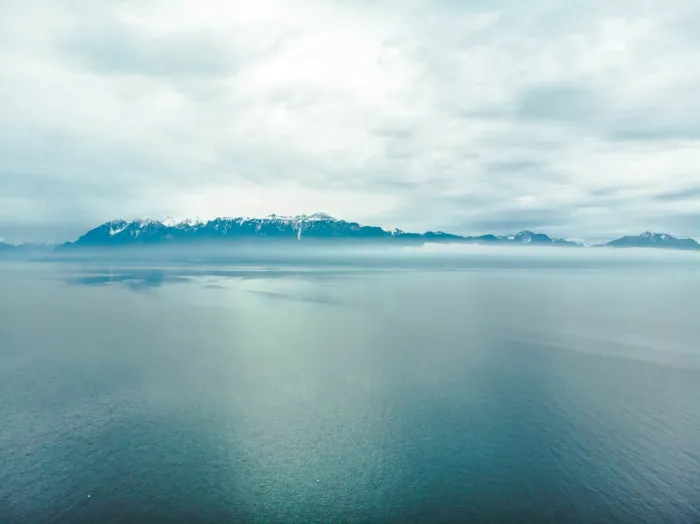
Lake Geneva, known locally as Lac Léman, is more than a postcard view. It is a living system where depth, geology and currents interact to create habitats, microclimates and occasional surprises.
From the Rhône delta to the steep drop-offs off the Swiss Riviera, understanding the lake sheds light on its role in regional culture, navigation and even local myths.
Depths and geology
The lake sits in a glacially carved basin with depths reaching roughly 310 meters in places. These deep basins were shaped by ice sheets during the last ice age, leaving steep shelves and sudden falls under the water.
Such variation in depth creates distinct thermal layers, with colder, denser water below and warmer surface layers in summer. This stratification influences where fish and nutrients gather, and how the lake mixes in seasons of wind and calm.
Currents and water movement
Currents in Lake Geneva arise from several forces: river inflows, wind, temperature differences and the lake's shape. The Rhône inflow near the eastern end drives notable surface movement, while wind patterns can generate long, slow oscillations called seiches.
Below the surface, internal currents follow the contours of the basin, sometimes concentrating sediments or transporting colder water along deep channels. For sailors and swimmers, the surface can betray calm while stronger flows lurk below.
Mysteries and local stories
The lake's depths have always fed imagination. Fishermen tell of sudden temperature drops in certain spots, and occasional haul of deep-water species in unexpected places. These observations helped shape local tales of hidden places and lost objects.
Scientists have mapped submerged terraces, shipwrecks and biological hotspots, but every survey unveils new details. That sense of discovery keeps researchers and local divers returning to the water.
Practical advice and safety
If you plan to explore the lakeshore or take a boat, respect changing conditions. Weather on Lake Geneva can shift quickly, with wind funneling along the lake axis and creating choppy water in minutes.
For swimmers and divers, stay close to designated zones and check local water-temperature information. Guided boat tours and local rangers are excellent sources of up-to-date advice about currents and safe places to swim or dive.
Thanks for reading, and don't forget, Enjoy Life Moments!