Fine groceries and terroir: the renaissance of luxury dairy
🚀 Key Takeaways
- Core concept : Luxury dairy reconnects product, place and story.
- Practical tip : Taste cultured butter and aged alpine cheeses with a young Chasselas from Lavaux.
- Did you know : Swiss consumption remains high, but craftsmanship shifts from volume to terroir-led quality.
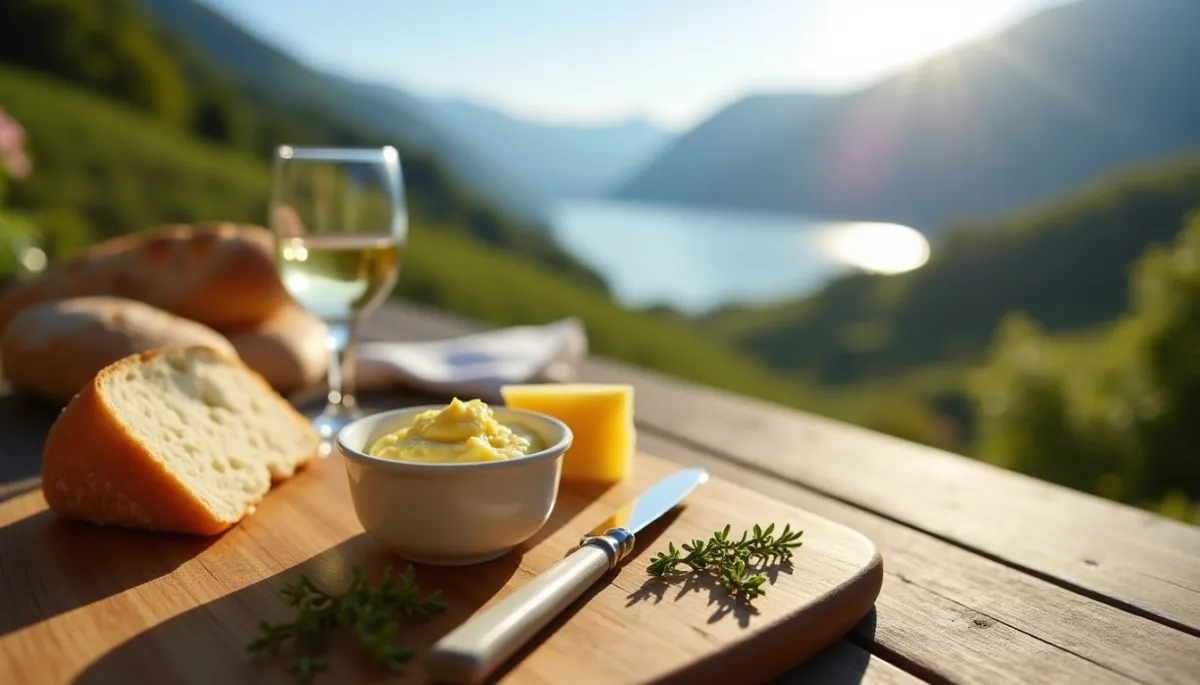
Pure pleasure. Imagine a wooden board on a sunlit terrace above Lake Geneva, a pat of hand-churned butter melting next to a slice of alpine cheese. The air smells faintly of hay and wood smoke.
Le goût retrouvé
The most visible consequence is a new shelfscape in épiceries fines from Lausanne to Montreux. Shelves now mix small-batch cultured butter, pot-style yogurts from local laiteries, and aged alpine cheeses presented by artisan affineurs.
Since the 2010s, boutique cheesemakers have multiplied. Producers of Vacherin pâturés, Tomme de montagne and small-format Gruyère (AOP) have found an audience among city diners and international visitors on the Riviera Suisse.
Beyond aesthetics, retailers report customers spending more time on provenance. Labels now display pasture altitude, herd breed and affineur notes, turning a purchase into a mini-lesson about terroir.
Pourquoi ce retour
Several causes explain this trend. First, a shift in taste: consumers seek authenticity and texture. Cultured butters with higher butterfat and live cultures bring a tang and mouthfeel absent from industrial spreads.
Second, chefs and sommeliers have become storytellers. Since around 2015, several restaurants in Lausanne and Vevey began advocating single-farm cheeses and house-made cultured butter, boosting demand for artisanal dairy.
Third, environmental and economic pressures push farmers to add value. Small-scale dairies earn better margins by selling directly to épiceries fines or collaborating with affineurs who age wheels for months, sometimes years.
Les signes visibles
Look for concrete markers: jars of cultured butter with handwritten lot numbers, cheeses aged in humid cellars with notes on rind development, and cross-promotions between fromagers and local vintners in Lavaux.
Affinage, the art of aging cheese, has become a selling point. Affineurs on the Swiss Plateau and in alpine villages emphasize specific cellars where humidity and microflora shape flavour, much like a wine terroir.
Markets have adapted. Weekly markets on the Riviera now feature micro-laiteries alongside charcuteries and pastry stands, inviting pairing discoveries on the spot.
Parfum du terroir
At the root of the renaissance lies terroir awareness. Alpine pastures, seasonal wildflowers and traditional transhumance influence milk composition. Producers speak of a spring milk richer in aromatic compounds after cows graze on dandelions or sainfoin.
Historical continuity matters. Cheesemaking here dates back to at least the Middle Ages, when monastic and village economies relied on preserved dairy. Modern artisans revive these recipes while applying food-safety standards and refined techniques.
Institutions help. Regional appellations, educational programs and tasting events support small producers, while tourism on the Riviera gives them visibility before international visitors year-round.
Motivations humaines
Producers cite simple motives: pride, survival and art. Many young farmers choose to produce a few high-quality wheels instead of large volumes, courting specialty shops in Geneva or boutique épiceries in Vevey.
Stories abound: a former urban marketer returning to the family farm to make cultured butter, an affineur who converts an old wine cellar into a maturation cave, a duo of chefs launching a tasting menu around seasonal dairy.
Consumers, for their part, pay for traceability. Scanning a QR code to learn a cow's pasture name is now an expected luxury experience, not a gimmick.
Les petites limites
However, the renaissance is not without tensions. Higher price points limit access: premium dairy can cost three to five times more than supermarket brands, raising questions about inclusivity.
Scaling is delicate. Keeping artisanal character while increasing production risks standardization. Many producers choose to remain small, cultivating scarcity as part of their narrative.
Regulation and seasonality also pose challenges. Alpine cheeses depend on grazing cycles, and pasteurization rules vary, affecting how producers label and export goods.
Vers de nouveaux horizons
Looking ahead, collaborations will define the next phase. Expect more cheese-and-wine evenings pairing Lavaux Chasselas with aged alpine cheeses, and micro-agers offering vertical tastings across seasons.
For travelers, the Riviera Suisse is an ideal gateway. Visit a fromagerie, taste cultured butter by the lake, and follow with a vineyard walk. The experience connects taste, place and story.
Practical tips: ask for milk origin, try a young tomme and a nine-month affine, and pair rich butter with a crisp Chasselas or a sparkling craft cider from Vaud.
Thanks for reading, and don't forget, Enjoy Life Moments!