Sargassum season: how to prepare and where to escape
🚀 Key Takeaways
- Core concept : Sargassum are floating brown seaweeds that bloom seasonally and wash ashore.
- Practical tip : Choose accommodations with active beach maintenance or plan activities offshore and inland.
- Did you know : Satellite monitoring by NOAA and university programs helps forecast major influxes.
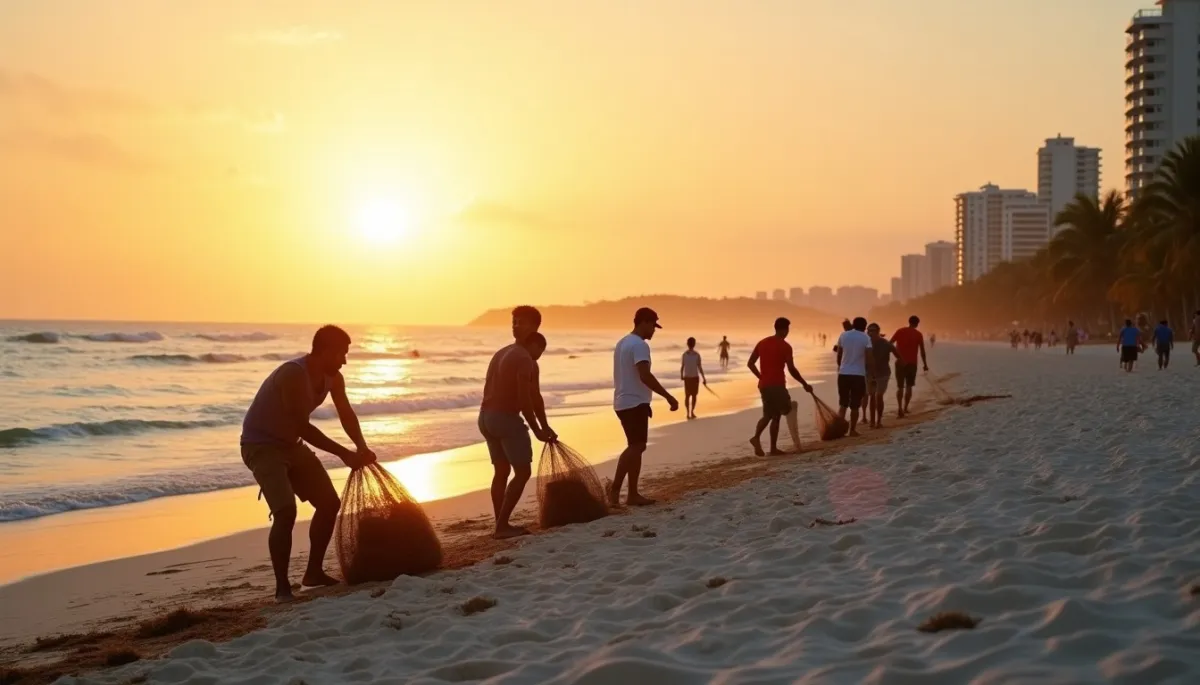
Golden sand, then a brown ribbon on the horizon. Imagine arriving at sunrise and seeing workers clearing mountains of seaweed.
shoreline reality
Since the early 2010s the Caribbean, including the Riviera Maya, experiences a recurrent sargassum season, typically from May to November, often peaking in June through August. The sight of large mats drifting toward the coast has become an annual reality for locals and visitors.
At Playa del Carmen or Tulum you may find crews with front loaders, hotel teams and community brigades removing sargassum at first light, while guests watch from shaded terraces. The smell of decomposing algae, caused by hydrogen sulfide (a gas produced when organic material rots), can be strong and uncomfortable for some, especially people with respiratory issues.
The immediate consequences are visible: beaches covered, reduced swimming areas, and interrupted snorkel trips. Economically the impacts are real; small businesses dependent on beachgoers report uneven weeks when tides push large volumes ashore.
where it comes from
Sargassum refers mainly to two species, Sargassum natans and Sargassum fluitans. These are free-floating brown algae that form large mats in tropical Atlantic waters. Scientists have observed dramatic increases in bloom size since roughly 2011, with notable disruptive years such as 2015 and 2018.
Several causes combine to explain the trend. Nutrient enrichment from rivers (agricultural runoff), warmer surface waters linked to climate variability, and ocean currents create favorable conditions for blooms. Once formed, currents and winds steer the mats toward the Caribbean coasts, sometimes concentrating them along particular stretches of the Riviera Maya.
Monitoring tools have improved. NOAA and university satellite observations now provide weekly outlooks; local initiatives publish near-real-time maps and webcam images. These resources turn an unpredictable nuisance into an event you can anticipate.
local responses
Communities and hotels have adapted. Since mid-2010s larger resorts invested in sargassum barriers (floating booms), mechanical skimmers and daily manual removal at dawn. Municipalities also organize collection sites and coordinate with waste services for disposal or valorization trials (composting, construction material experiments).
Volunteer brigades are common. In Puerto Morelos, for example, cooperative efforts between fishermen and residents often result in quicker clears than in more touristic hubs. Smaller beaches with reef protection sometimes stay cleaner; offshore reefs can trap sargassum before it hits the sand.
Still, solutions are imperfect: mechanical removal can hurt turtle nests and nearshore ecosystems if not managed carefully. Scientists warn against uncontrolled burning, which releases pollutants. The balance is to clean while preserving coastal life.
smart travel choices
Plan with the season in mind. If you travel June to August, expect higher probability of sargassum. Check satellite maps and local webcam feeds 48 hours before departure. Book with flexible cancellation policies when possible.
Pick accommodations that advertise active beach maintenance, or that offer easy access to offshore tours. Snorkeling trips that go beyond the sargassum mats, to reefs around Cozumel or cenotes inland, remain exceptional experiences even during heavy seasons.
Consider alternatives: morning cenote swims, visiting archaeological sites like Cobá early, or day trips to islands where currents differ. If you have respiratory sensitivities, consult your doctor and pack any necessary medication; a simple mask can reduce irritation during onshore windy days.
what to expect next
Forecasting is improving but not perfect. Climate variability and human factors will continue to influence bloom intensity. Local governments are experimenting with sustainable uses of collected sargassum, from fertilizers to bioenergy, but these remain pilot projects in many places.
For travelers, knowledge is power. A little preparation—checking forecasts, choosing the right spot, and favoring experiences away from the strand—turns a potential disappointment into a chance to discover other Riviera Maya treasures.
Thanks for reading, and don't forget, Enjoy Life Moments!