Valladolid: the colonial town stealing the spotlight from the Caribbean beaches
🚀 Key Takeaways
- Key concept : Valladolid offers authentic colonial architecture, easy access to cenotes and archaeological sites, and a thriving local life.
- Practical tip : Stroll Calzada de los Frailes at dusk, buy tickets early for Ek Balam, and carry cash for small mercados.
- Did you know : The town hosts the central Cenote Zací, a rare urban cenote you can swim in, minutes from the main plaza.
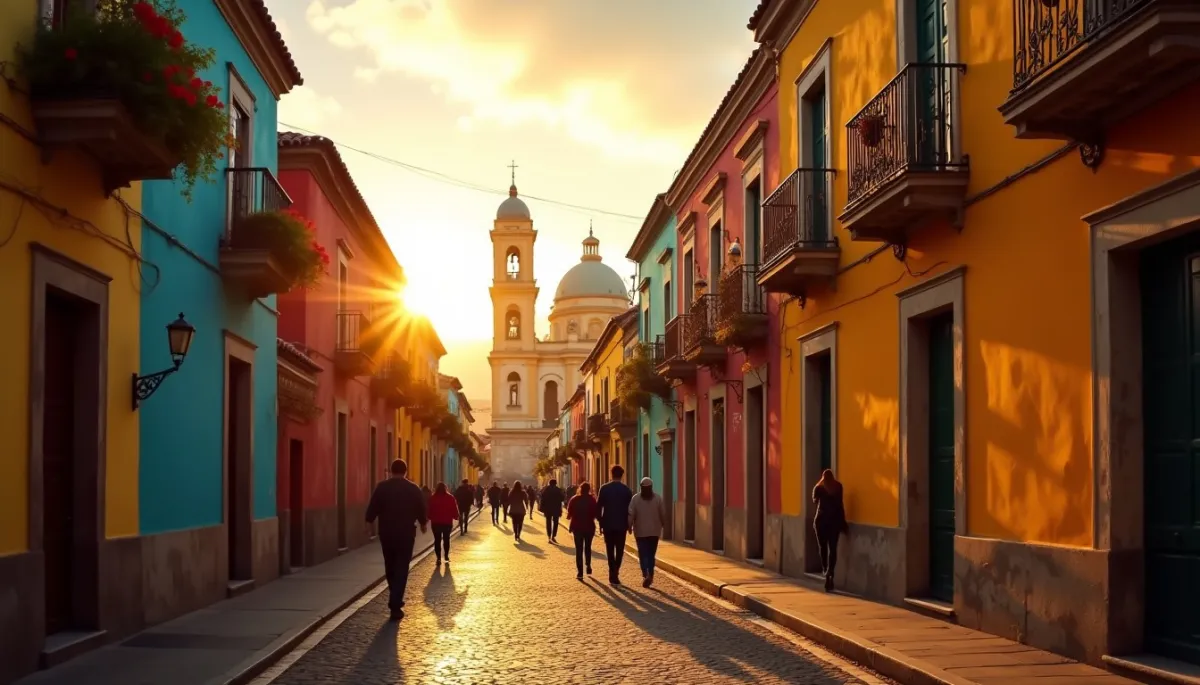
Light spills over painted facades and church bells punctuate the evening air.
Walk into Valladolid and the world of postcards changes. Narrow streets open onto shaded plazas, vendors sell grilled corn and cochinita pibil from wooden carts, and the baroque silhouette of the cathedral of San Gervasio anchors the main square. A few blocks away, the convent of San Bernardino de Siena shows weathered stone, while the unexpected sinkhole of Cenote Zací glints like an inland sea. It feels like a town that arrived early at the festival of life, while the beaches are still setting up their umbrellas.
Ombre coloniale
Valladolid's charm is not accidental. Founded in the 16th century during the Spanish colonization of Yucatán, the town preserves a compact historic center where color, stone and carved wood meet under the same sky. Visitors trade long hotel lobbies for shaded portals and courtyards, and that change of scale reshapes the travel experience.
The consequence is visible: travelers linger. Instead of a quick bus stop on the way to Chichén Itzá, many now choose a two-night stay. Local hotels, from boutique haciendas to guesthouses, have multiplied since the 2010s, offering both comfort and proximity to everyday life. Dining follows suit; modest fondas rub shoulders with table-service restaurants that reinterpret Yucatecan classics.
Beyond aesthetics, Valladolid is practical. It is a hub for visiting Chichén Itzá (about 45 minutes away) and Ek Balam (roughly 25 minutes), and it offers direct access to several cenotes in a short drive. That combination of culture, nature and town life creates an appealing alternative to all-inclusive resorts.
au cœur du temps
Why now? A few trends converged. Since the late 2010s and especially after 2020, many travelers look for authenticity and slower rhythms. Valladolid answers that appetite. It gives tangible encounters: daytime markets, street vendors, and families meeting in plazas. These are not staged experiences, but daily life observed with respectful curiosity.
Public recognition has helped. Valladolid joined Mexico's tourism programs that highlight historical towns, and local authorities have invested in preserving facades, improving pedestrian routes, and promoting cultural events. The result is an environment that feels cared for, without losing spontaneity.
Entrepreneurship also matters. Casa de los Venados, a private home with more than 3,000 works of Mexican folk art, opened its doors to visitors in the early 2000s and inspired cultural tourism. New boutique museums, artisan shops and cooking classes have attracted visitors who want to learn, not just photograph. These small-scale initiatives deepen the appeal.
entre ciel et eau
Still, the story is not without tension. Increased interest brings pressure on infrastructure, waste management and fragile cenotes. Cenote Zací, inside the town, is both a tourist draw and a sensitive ecosystem. Local groups, community leaders and entrepreneurs are debating limits, conservation fees, and visitor education to protect these resources for the long term.
Another contradiction is expectation. Some travelers arrive expecting a polished boutique town and are surprised by the coexistence of historic charm and everyday rough edges. That contrast is part of Valladolid's honesty, but it requires a change of mindset. Bring comfortable shoes, carry small bills, and be ready to embrace unpredictability.
For responsible travelers, Valladolid offers easy ways to help. Choose small hotels, hire local guides for archaeological sites, buy food and crafts from local vendors, and learn a few phrases in Spanish or basic Maya greetings. These gestures keep tourism equitable and maintain the town's character.
In short, Valladolid does more than complement a beach itinerary. It rewrites part of the Yucatán story, putting heritage, flavors and daily life center stage. For those who arrive with curiosity, the rewards are immediate and memorable: a courtyard breakfast, a swim in a cool cenote, and a sunset that makes the colonial stones glow.
Thanks for reading, and don't forget, Enjoy Life Moments!