Ethical souvenirs: what to bring home from Mexico without harming nature
🚀 Key Takeaways
- Core concept: Prefer handmade, traceable crafts over animal or archaeological items.
- Practical tip: Buy from cooperatives, ask for receipts and certifications like FSC or Fair Trade.
- Did you know: Sian Ka'an was declared a UNESCO biosphere reserve in 1987, protecting a huge coastal ecosystem.
Small objects, big meaning.
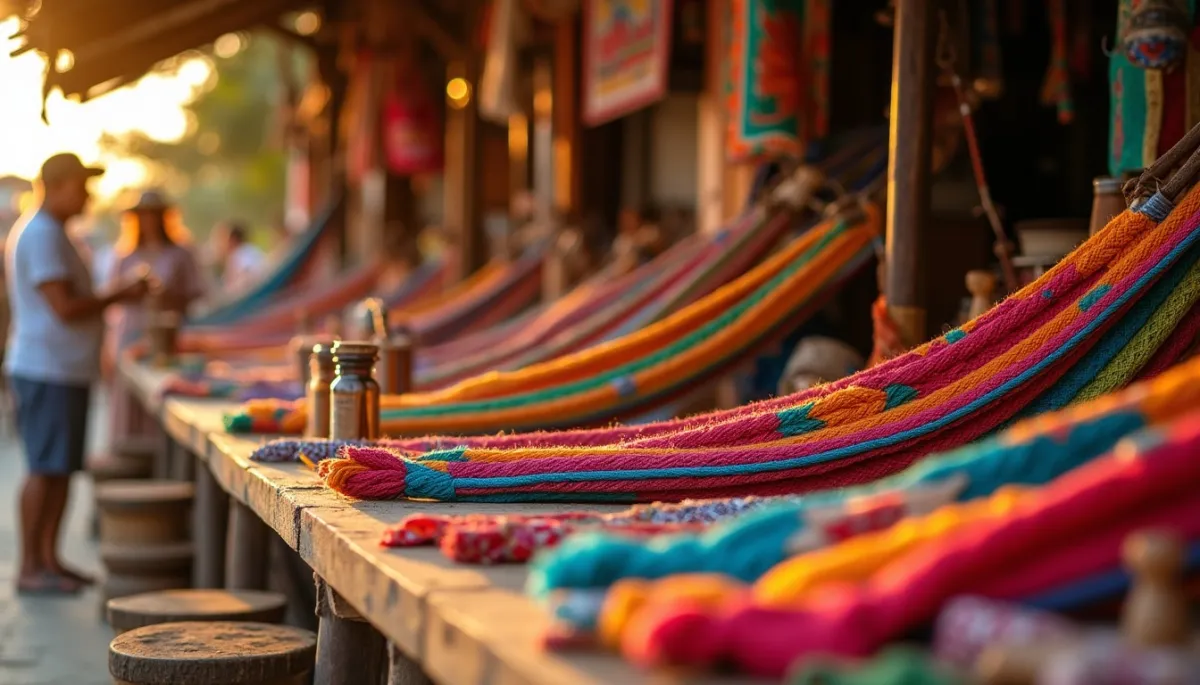
Imagine a wooden stall at sunrise in Tulum, sunlight warming handwoven hammocks and jars of vanilla, while a vendor explains how the yarn came from his grandmother's spindle. The air smells of sea salt and coffee, tourists wander, and one choice at the stall can either help a family or feed an illegal trade. That moment, common across the Riviera Maya, is where ethical souvenirs begin.
After the purchase
Not all souvenirs are equal. Some souvenirs damage ecosystems or violate Mexican law, others fund cultural preservation and local economies. Popular but problematic items include coral pieces, shells taken from protected beaches, tortoise shell imitations and genuine archaeological fragments. The Instituto Nacional de Antropología e Historia, known as INAH, strictly forbids the sale of pre-Hispanic artifacts, and removal of archaeological pieces is a crime.
Wildlife products are also regulated. Sea turtles and many coral species are protected under Mexican law and international agreements such as CITES. In the Riviera Maya, authorities have stepped up enforcement after decades of illegal trade, but tourists still occasionally buy items unaware of the consequences.
There is a bright side. The same region is rich in responsible alternatives: handwoven hammocks from Yucatán, embroidered guayaberas, artisans creating alebrijes in Oaxaca style, and small-batch vanilla from Veracruz. These support families, preserve techniques, and often use renewable materials.
Why it matters
Tourism drives the Riviera Maya economy. When souvenirs are produced sustainably, value stays local. Buying from cooperatives increases household income, funds community projects and encourages younger generations to learn traditional crafts.
Historically, crafts have evolved. In 1936, Mexico City artisan Pedro Linares popularized alebrijes, fantastical painted figures born from a fever dream. Today, many Oaxacan makers sell painted wood carvings that celebrate biodiversity rather than exploit it. Supporting legitimate makers helps keep those stories alive.
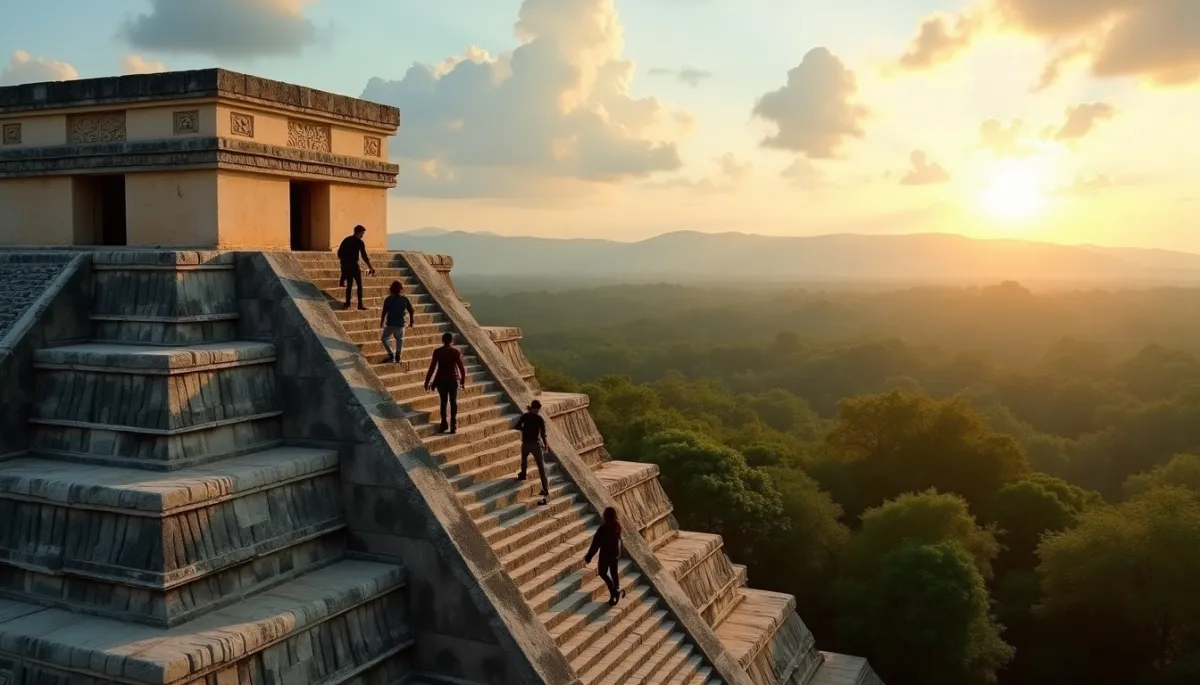
Environmental pressure is concrete. Sian Ka'an, designated a UNESCO biosphere reserve in 1987, shows how fragile coastal ecosystems are. Coral harvesting, beach shell collection and other extractive souvenirs accelerate local degradation. Choosing alternatives reduces that pressure and helps conservation efforts initiated by communities and NGOs.
Choices and contradictions
Buying ethically is not always obvious. Labels like "handmade" or "local" can be vague, and greenwashed products exist. A colourful mask may look traditional but could be made from illegally cut timber or plastics imported from abroad.
Simple checks help. Ask where the material comes from. Request a receipt. Prefer organizations with clear names, cooperative affiliations, or certifications such as FSC for wood and Fair Trade for foodstuffs. In markets of Playa del Carmen and Mérida, cooperative stalls often display contact details and stories about the makers.
Practical alternatives are many. Choose textiles (rebozos, hammocks), artisanal chocolate from Chiapas and Oaxaca, small-batch vanilla from Papantla in Veracruz, or contemporary crafts made from reclaimed wood and recycled glass. If you want archaeological motifs, buy licensed reproductions made by authorised artisans, not real fragments.
Thanks for reading, and don't forget, Enjoy Life Moments!