Traveling to transform yourself: myth or reality?
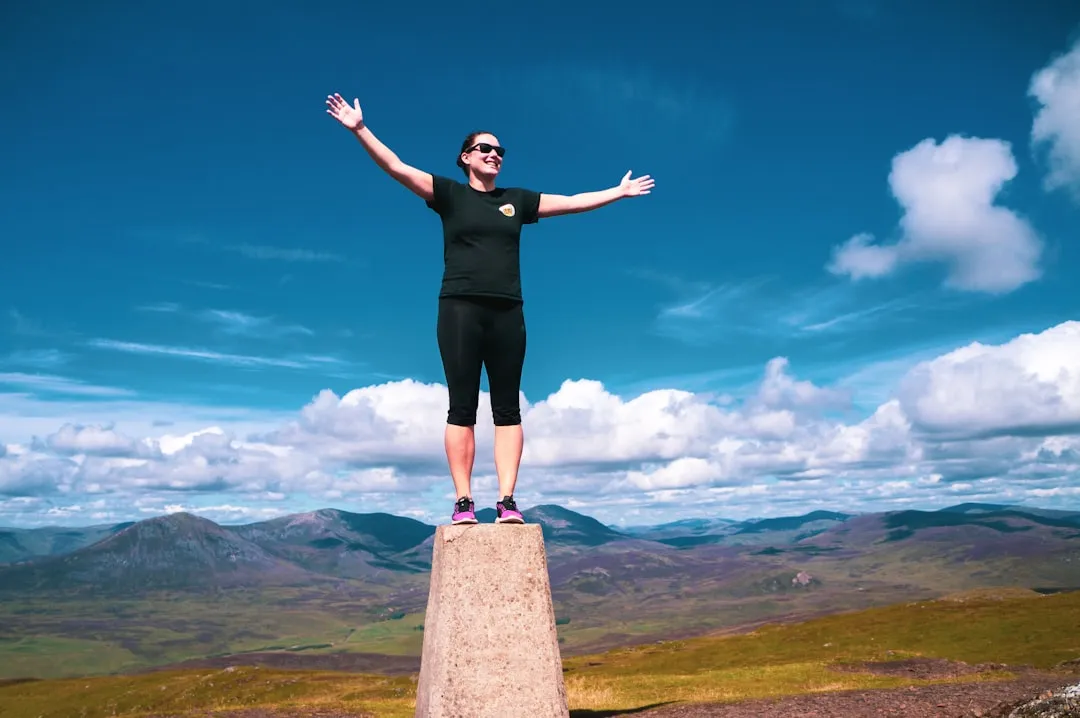
Travel often promises reinvention: new landscapes, new perspectives, and a pause from routine. But transformation is not automatic; it is the product of how we travel, what we do with our experiences, and whether we integrate change after we return home.
This article examines the evidence, the practical steps that make travel catalytic, and why the Riviera Maya — with its cenotes, ancient ruins and vibrant communities — can be a powerful setting for personal growth when approached intentionally.
Transformation versus vacation: understanding the difference
Not every trip is meant to transform. Vacations can be restorative, offering rest and pleasure without deep personal change. Transformation implies a shift in values, habits, or identity that persists beyond the holiday.
Short-term mood boosts are common after travel, but lasting change requires reflection, new practices and sometimes discomfort. Recognizing this distinction helps travelers set realistic goals and choose activities that support growth rather than just escape.
Why the Riviera Maya can act as a catalyst
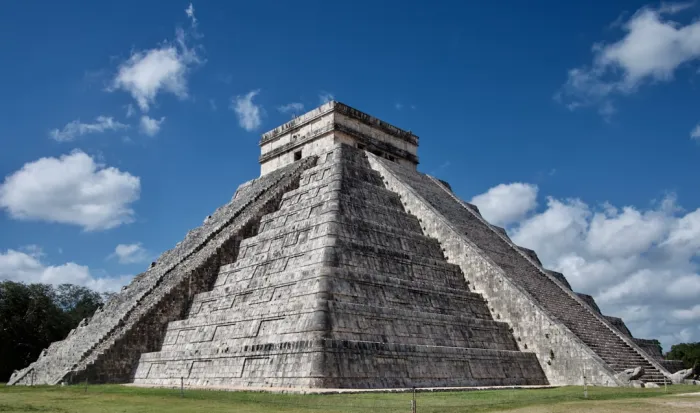
The Riviera Maya provides a sensory-rich environment: turquoise water, limestone cenotes, and archaeological sites like Tulum and Cobá. These settings can prompt reflection and a sense of awe that opens the mind to new possibilities. For practical planning and visitor information, see TripAdvisor's Mexico guide and the cultural context available from National Geographic on Mexico.
Importantly, the Riviera Maya also offers accessible community-led initiatives, eco-tourism projects and wellness retreats. When travelers engage respectfully with local culture, conservation efforts and responsible tourism, their experiences are more likely to produce meaningful perspective shifts.
How to travel with transformation in mind
Set an intention before you go. Define what you want to explore — whether it's slowing down, confronting a fear, or learning about local sustainability. Intentions shape attention; they turn passive sightseeing into active growth work.
Choose immersive, slow experiences: stay in one place longer, take part in cultural workshops, volunteer locally or join guided ecological tours. Combine experiences with reflective practices such as journaling, mindful walking, and conversation with locals to deepen insights.
Practical steps to integrate change after travel
Transformation often fails at the re-entry point. To avoid losing gains, create a post-trip plan: identify one habit to keep, set reminders, and connect with communities that reinforce your new perspectives. Small, consistent steps translate peak experiences into lasting change.
Consider sharing your journey: teach what you learned, continue supporting local projects, or pursue education that builds on the insights gained while traveling. Integration turns episodic inspiration into a sustainable life shift.
Realistic expectations: evidence and stories
Research on travel and wellbeing shows positive correlations with life satisfaction, but causation is complex: personality, social support, and ongoing behavior matter. Anecdotes of life-altering trips are powerful, but they usually reflect a combination of external experience and internal readiness.
Stories from the Riviera Maya often highlight transformative patterns — encounters with nature, meaningful cultural exchange, and confronting personal limits. Yet the common thread is not the destination alone but the traveler's openness and follow-through after returning home.
Thanks for reading, and don't forget, Enjoy Life Moments!