Punta Allen: the hidden jewel at the end of Sian Ka'an reserve
🚀 Key Takeaways
- Core idea : A tiny, authentic village inside a protected reserve, ideal for nature lovers.
- Practical tip : Bring cash, a good vehicle or join an authorized tour, and use reef-safe sunscreen.
- Did you know : Sian Ka'an is a UNESCO World Heritage site since 1987, protecting lagoons, mangroves and coral reefs.
Silence, punctuated by waves and distant calls of birds.
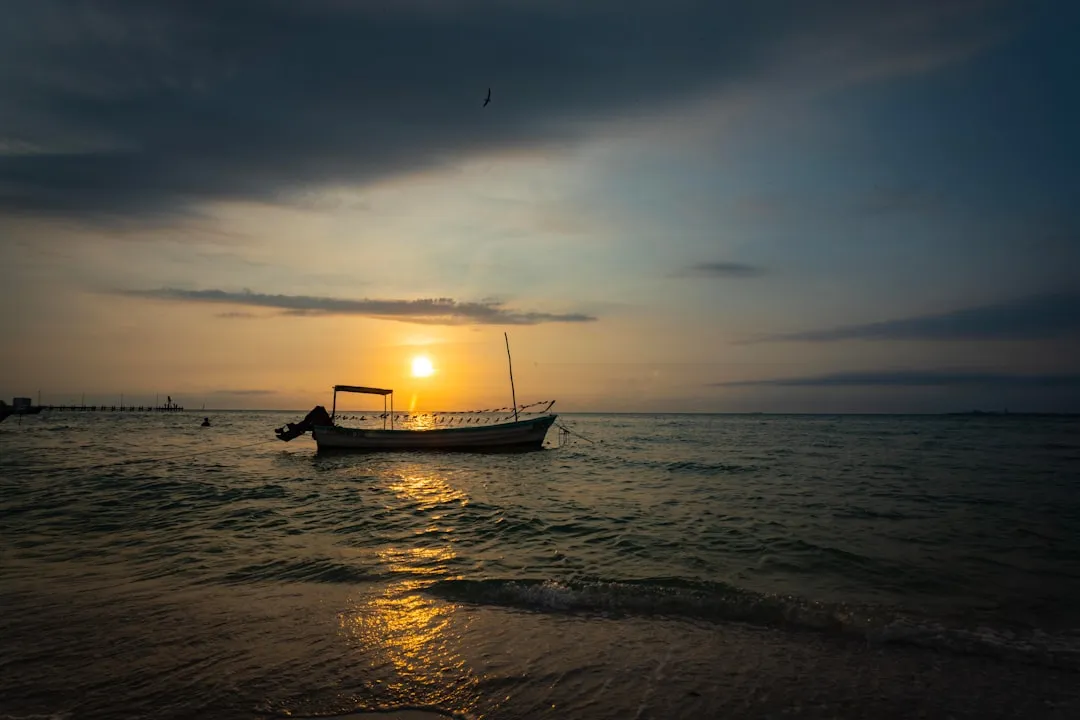
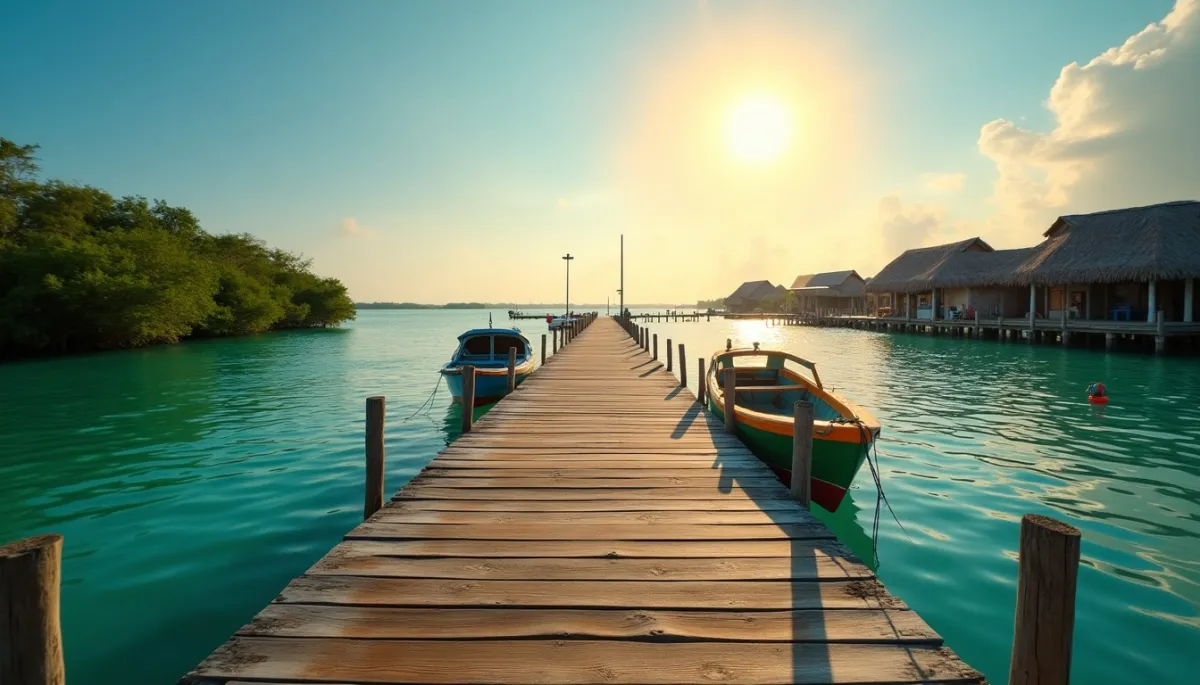
Imagine stepping out of a dusty 4x4 onto a narrow pier, the air thick with salt and mangrove scents. Small wooden boats bob in clear turquoise water, fishermen mend nets under corrugated roofs, and children run barefoot along sandy paths. The light is clean, the horizon vast, and Punta Allen feels like a secret kept by the sea.
Between mangroves and sea
Punta Allen lies roughly two to three hours south of Tulum, at the tip of Sian Ka'an, a biosphere reserve that covers more than 500,000 hectares. The village faces both the Caribbean and an intricate network of lagoons and mangroves, an ecosystem that filters water and nourishes marine life.
Visitors arrive by a long unpaved road, a journey that acts as a filter: only those who value the destination commit to the bumpy ride. That relative isolation has preserved traditional life, from small-scale fishing to artisanal boat building.
The reserve is home to extensive biodiversity. You will likely see pink flamingos in the shallows, herons standing motionless, and nurse sharks or manta rays near the reef. In season, whale sharks pass not far from the coast, and sea turtles nest on the beaches between May and August.
A village that endures
Punta Allen is not a resort. Its population numbers a few hundred residents, organized around fishing cooperatives and humble eco-lodges. The cooperative model regulates lobster and fish catches and keeps income within the community.
Local guides are often third or fourth generation fishers, with an intimate knowledge of currents, tides and the language of the sea. They run boat tours to spot dolphins, manatees and crocodiles, and they explain the delicate balance that keeps reef and lagoon productive.
There is a small airstrip and limited electricity, and services remain basic. No international ATM, a handful of restaurants that serve freshly caught seafood, and simple guesthouses that favor comfort over luxury. This authentic simplicity is part of Punta Allen's charm.
Why it matters
Sian Ka'an is protected to preserve its complex web of habitats, from coral reefs and seagrass beds to mangrove forests. These environments store carbon, support fisheries and act as buffers against storms, a crucial service in a region increasingly impacted by climate events.
Tourism in Punta Allen is a double-edged sword. Responsible, low-impact visits bring income and reinforce conservation. Unregulated development would endanger habitats and the village lifestyle that depends on them.
Conservation programs, often in partnership with NGOs and universities, monitor turtle nesting, mangrove health and fish stocks. Small, community-led initiatives have proven effective, but they need continued support and visitor awareness.
Practical notes and stories
Plan your visit with respect. Entry to Sian Ka'an may require a small fee and tours should be booked with licensed operators. A 4x4 is recommended for the road from Tulum, though many travelers prefer organized trips that include a local guide.
Bring cash for meals and tips, insect repellent, sun protection that is reef-safe, and binoculars for birdwatching. Mobile reception is intermittent, which is part of the experience: unplugging in nature.
One memorable anecdote: a guide named Miguel once led a dawn trip to find nesting turtles. Under a sky streaked with pink, a mother turtle crawled ashore. Miguel hushed us, and for ten minutes we were witnesses to an ancient ritual. Moments like that explain why people choose Punta Allen, not for convenience, but for encounter.
Thanks for reading, and don't forget, Enjoy Life Moments!