The ecological challenges of the Riviera Maya
🚀 Key Takeaways
- Key concept : Rapid development, water pollution and climate change are converging to stress reefs, mangroves and the underground aquifer.
- Practical tip : Travel in low season, support eco-certified operators, avoid single-use plastics and favour local community projects.
- Did you know : Cenotes are part of a connected karst aquifer that supplies the region and is highly vulnerable to contamination.
The Riviera Maya is one of Mexico's most dynamic tourism corridors, from Playa del Carmen to Tulum and beyond. Its economy rests on sun, sand and the intricate natural systems under and around the coast.
But growth has a cost. Beaches, reefs, mangroves and the network of cenotes face pressures that, if left unchecked, will alter the destination's biodiversity and long-term appeal.
Coastal development and habitat loss
Construction of resorts, roads and marinas often comes at the expense of mangroves and dunes that protect the shoreline. Once removed, these habitats are hard to restore and coastal erosion accelerates.
Coral reefs, already fragile, suffer from sedimentation and boat anchoring. The cumulative effect reduces reef resilience and the services reefs provide, including fisheries and storm protection.
Water pollution and the cenotes
The Yucatán’s karstic geology means rainwater quickly infiltrates the ground and travels through underground rivers and cenotes. Poorly treated sewage, septic leaks and agricultural runoff enter this system and threaten freshwater quality.
Contaminated groundwater affects drinking water, wildlife and coral reefs downstream. Addressing this requires investment in proper sewage treatment, stricter permitting and behaviour change by residents and tourists.
Tourism pressure and solid waste
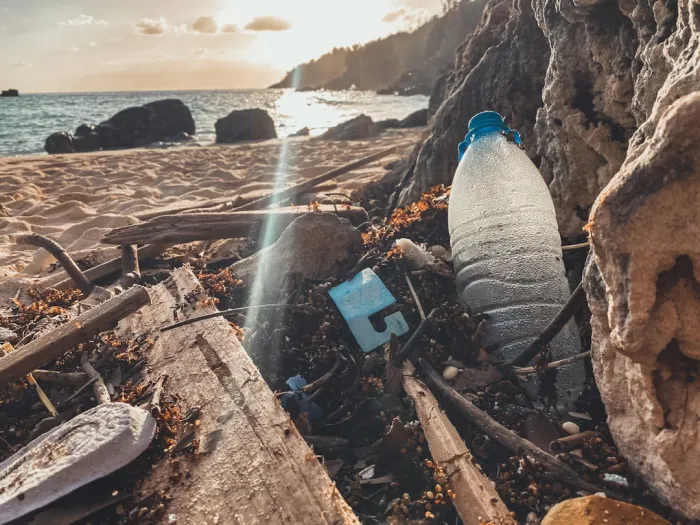
High visitor numbers generate large volumes of solid waste and single-use plastics. Local infrastructure often struggles to collect and process this waste, leading to litter on beaches and in natural areas.
Reducing this impact means better waste management systems, enforcement of litter laws, and conscious choices by travellers, such as using refillable containers and choosing operators that prioritize zero-waste practices.
Climate change and sea level rise
Warmer seas lead to more frequent coral bleaching events, while rising sea levels and stronger storms increase erosion and flood risk. These changes alter habitats and put coastal communities and tourism assets at risk.
Adaptation strategies include restoring mangroves and dunes, using nature-based shoreline protection and integrating climate risk into planning of future developments.
Conservation initiatives and community action
There are inspiring local responses: coral nurseries, mangrove restoration projects and community-led tourism that returns value to local people. These initiatives show conservation and livelihoods can go hand in hand.
Travelers can support positive change by choosing certified sustainable businesses, donating to reputable projects and respecting local rules in sensitive areas. Policy change and investment from public and private sectors remain essential.
Thanks for reading, and don't forget, Enjoy Life Moments!