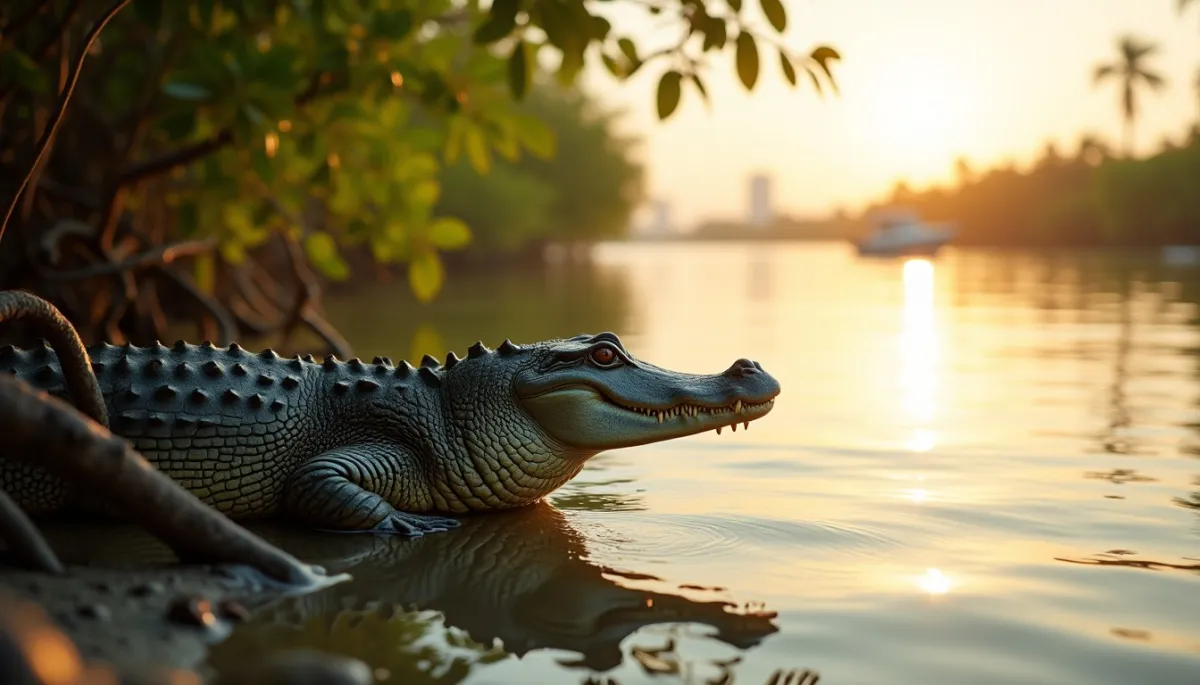
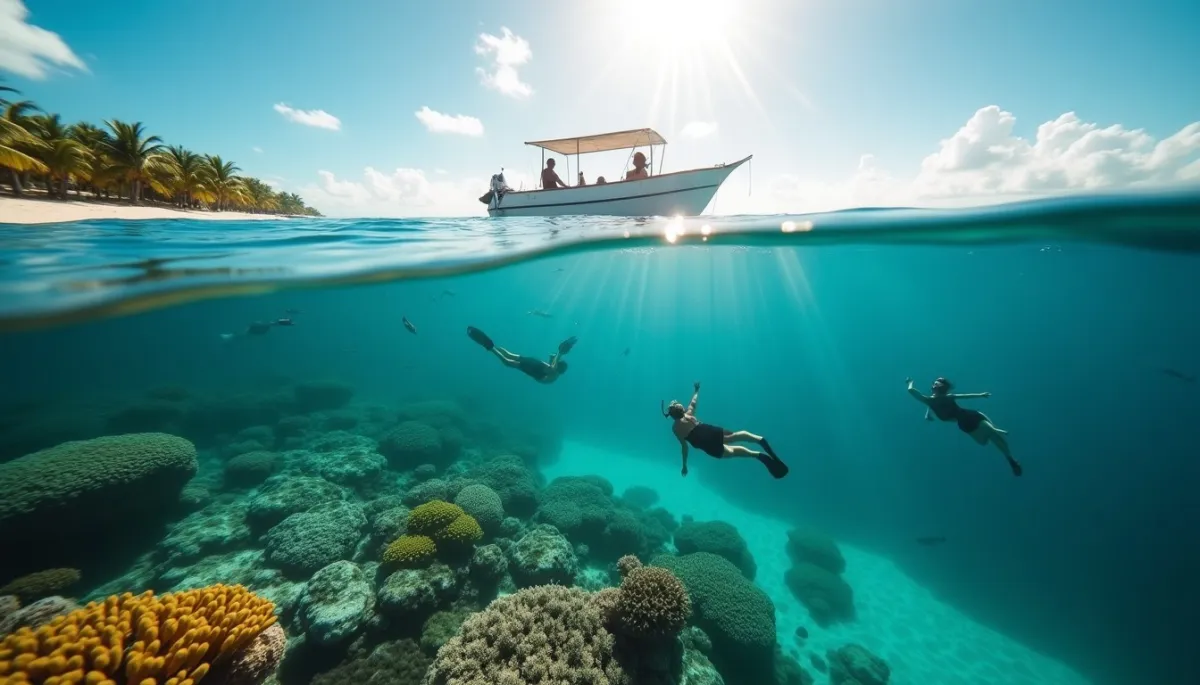
Where to observe manatees in the wild near Chetumal?
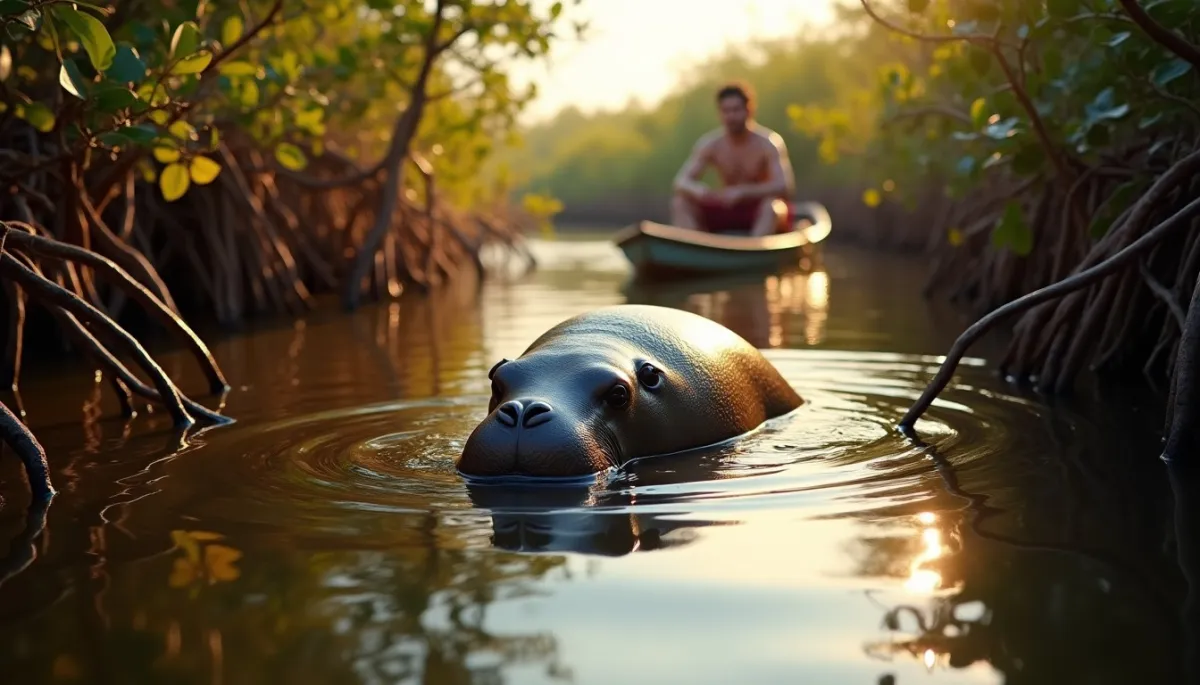
A soft silence, only the water lapping at a small wooden skiff and the slow rise of a round, whiskered head as a manatee exhales. The light is honey-colored, mangrove roots draw a lace of shadows on brown water, and the guide whispers names of plants and rules we must not break. You feel both a guest and a guardian of a fragile scene.
If you are in and around Chetumal, the most realistic chance to see manatees (Trichechus manatus) is in the mangrove estuaries and shallow bays that connect freshwater lagoons to the Caribbean Sea. Sightings cluster in the Bay of Chetumal (Bahía de Chetumal), the mouths of the Río Hondo, the coastal fringe near the small town of Calderitas, and along the edges of Laguna de Bacalar where freshwater inflows create feeding areas. Local eco-guides sometimes also report individuals near smaller lagoons and channels in Othón P. Blanco municipality.
Eaux tranquilles
Manatees favor calm, warm waters where seagrass beds and freshwater plants provide food. In practice near Chetumal this means sheltered mangrove channels, the inner parts of the bay and the mouths of rivers. Early morning or late afternoon calm increases the chance of a sighting because the animals surface to breathe and to graze in shallower light.
Concrete examples: Calderitas, a fishing village east of downtown Chetumal, is a frequent departure point for short ecological boat trips into the bay. Local fishermen and guides have long-standing knowledge of regular manatee paths close to mangrove fringes. The freshwater influence from Laguna de Bacalar and smaller inland wetlands also creates pockets of vegetation that attract manatees seasonally.
To increase your odds, choose small, low-noise skiffs operated by guides certified by the state (look for licenses and clear conservation rules). Bring binoculars, a quiet voice and patience. Keep in mind that the animals are protected by Mexican law and best seen from the boat rather than by attempting to swim with them.
Raisons et enjeux
Why are people invested in manatee watching near Chetumal? These animals are charismatic and emblematic of coastal health. Their presence signals functioning seagrass and mangrove systems, which also support fisheries, buffer storms and store carbon. Local communities recognize both cultural and economic value in conserving them, through low-impact ecotourism and environmental education.
Official agencies such as SEMARNAT and CONANP, together with regional NGOs like Pronatura Península de Yucatán, have programs aimed at monitoring populations, rescuing injured individuals, and reducing threats from boat strikes and pollution. These initiatives often involve community fishermen who report sightings and help protect seasonal aggregations. Scientific tagging and photo-identification have provided concrete data on site fidelity and movement patterns.
Some historical traces and oral accounts also show that manatees have been part of coastal life for generations. While once hunted in some areas, today they are protected. The shift toward conservation is driven by both legal protection and a growing tourism model that prizes responsible wildlife encounters over extractive uses.
Doutes et perspectives
However, the situation is not without contradictions. Coastal development, increased boat traffic from tourism and fisheries, and pollution from agricultural runoff threaten the shallow habitats manatees use. Episodes of algal blooms or sedimentation can reduce food availability. In particular, unregulated speed in narrow channels is a recurring hazard leading to boat strikes.
There are encouraging signs: community-based surveillance and stricter local regulations on boat speeds in sensitive zones have reduced some risks. Rescue centers occasionally rehabilitate injured manatees and return them to the wild. But long-term success depends on coordinated watershed management, since freshwater quality upstream affects coastal feeding grounds.
For visitors, the best approach is simple and effective. Choose certified, small-group tours; avoid loud engines close to mangroves; never touch or feed a manatee; follow your guide's instructions; and consider supporting local conservation initiatives. Your visit can finance protection and build respect for habitats that deserve our care.
Thanks for reading, and don't forget, Enjoy Life Moments!