Mimosa in winter: a burst of gold that warms the Côte d'Azur in February
🚀 Key Takeaways
- Core idea : Mimosa (Acacia dealbata) blooms in winter, coloring large parts of the Riviera in February.
- Practical tip : Best viewing spots include the Tanneron massif, Mandelieu-la-Napoule and Bormes-les-Mimosas; cut stems diagonally and keep in fresh water.
- Did you know : Mimosa is used in Grasse perfumery and gives its name to whole villages and festivals on the coast.
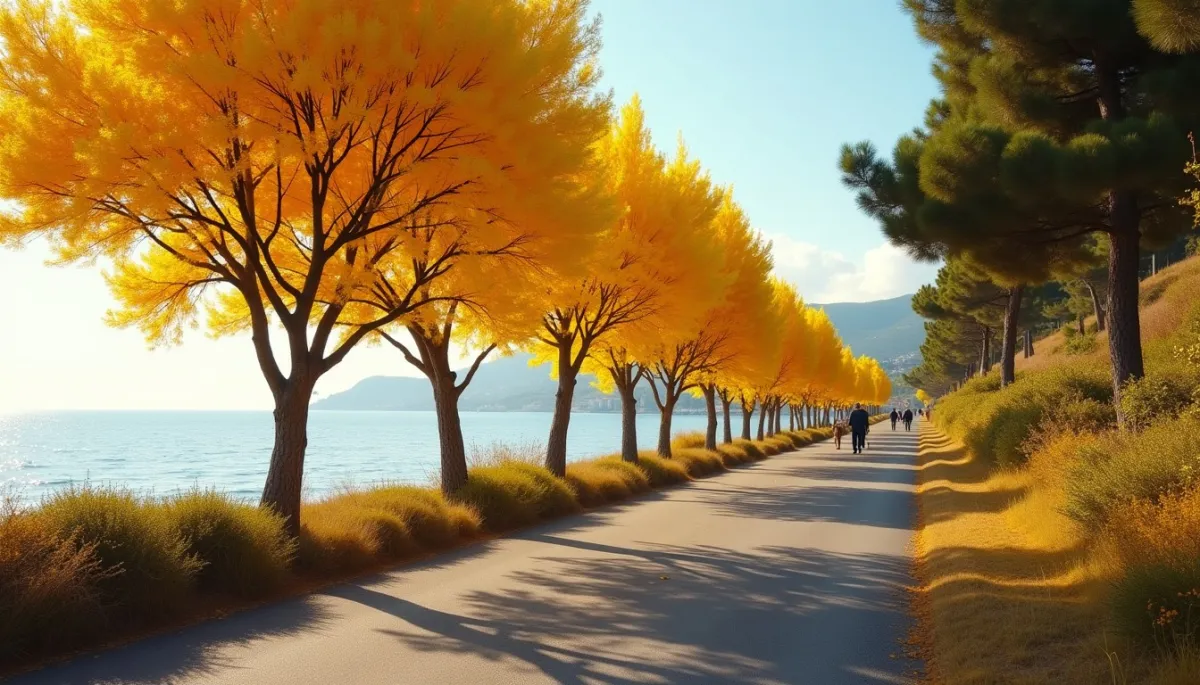
Pure gold. Walk along a coastal road and the air is filled with a honeyed, powdery scent, while the sun bounces off thousands of tiny yellow pompons.
Explosion d'or
In February the Riviera seems to wear a different light. Roads that seemed grey in January wake up with ribbons of yellow; hedges, roundabouts and hillsides glow.
Places such as Mandelieu-la-Napoule often organize week-ends devoted to mimosa, with parades and floats decorated with branches. The spectacle is both popular and local: families, photographers and florists come to gather sprigs and to celebrate a seasonal revival.
The Tanneron massif, north of Mandelieu, is famous for its vast wild mimosa stands. Locals call it the 'mimosa massif' because of the density of Acacia dealbata on its slopes. Driving or hiking there in February offers close-up views of flowering groves stretching towards the sea.
Racines australiennes
Botanically, the mimosa most visible on the Riviera is Acacia dealbata, a species native to Australia. It was introduced to Europe in the 19th century by plant collectors and took particularly well to the mild winter climate of the Mediterranean coast.
Over time, mimosa became more than a tree: it entered local culture. Bormes-les-Mimosas literally bears the name of the plant. Towns like Mandelieu and Grasse celebrate it each winter with festivals that date back to the early 20th century, and that bring together growers, artisans and perfumers.
In Grasse, the perfumery tradition uses the mimosa's delicate floral and powdery facets (often through an absolute or extract) to compose warm, late-winter bouquets in haute parfumerie.
Fragile lumière
Despite its cheerful appearance, the mimosa faces challenges. Climate variability has led to fluctuations in flowering times, with some seasons starting earlier and others reduced by unexpected frosts.
Agricultural pressures also affect production. Mimosas are often cultivated for cut branches or for the perfume industry; urban expansion and land-use change can fragment traditional growing areas.
Still, local initiatives aim to preserve hedgerows and wild stands. Festival organizers, municipal teams and private growers collaborate to plant, maintain and promote mimosa-friendly landscapes for future generations.
Pratiques et promenades
If you want to see the mimosa at its best, plan a visit in February. Week-ends of the month usually concentrate the main events and parades.
Top spots: Tanneron massif for wild landscapes, the coastal road between Cannes and Saint-Raphaël for scenic drives, and the villages of Bormes-les-Mimosas and Mandelieu for festival atmosphere. Early morning light is ideal for photos and quieter walks.
To keep cut mimosa at home, cut stems diagonally and place them in lukewarm water. Change the water every day and avoid direct heat. The flowers are delicate but reward care with several days of glowing color.
Thanks for reading, and don't forget, Enjoy Life Moments!