Niçoise cuisine and UNESCO: more than a taste, a culture
🚀 Key Takeaways
- Core concept : Niçoise cooking blends Mediterranean, Ligurian and Provençal roots into a unique culinary culture.
- Practical tip : For authentic tasting, visit Cours Saleya market early, try socca from a street vendor and avoid mayonnaise in a salade niçoise.
- Did you know : The UNESCO listing of the Mediterranean diet (2013) helped local chefs and associations argue for recognition of regional traditions, including Niçoise gastronomy.
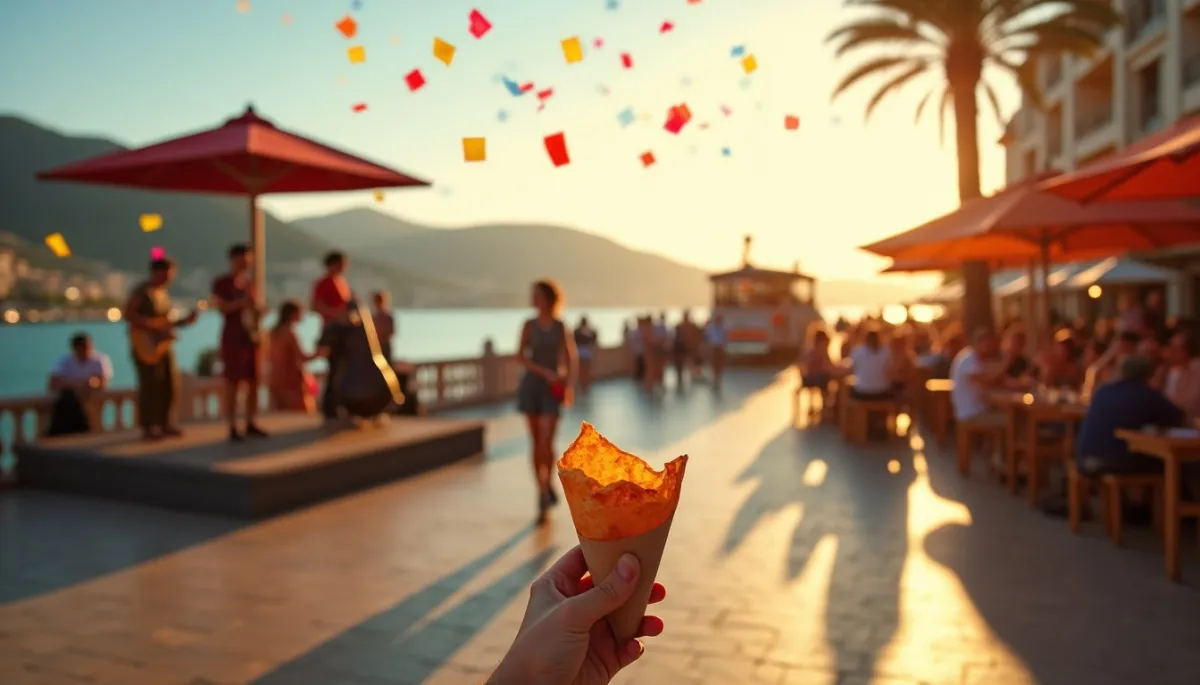
It hits you at first bite. A warm, smoky socca, crisp at the edges, and the sunlight on the stalls of the Old Town.
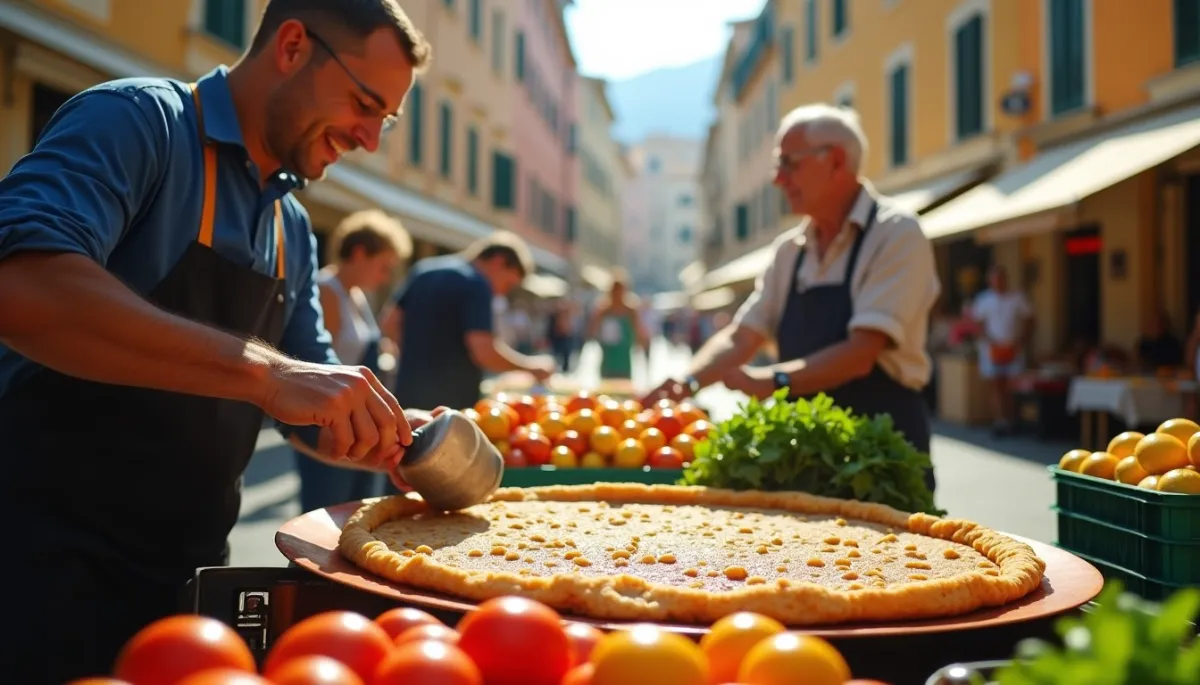
Early morning in Vieux-Nice, the market at Cours Saleya hums. Vendors unpack baskets of tomatoes, borage, Swiss chard and tiny lemons. A woman ladles chickpea batter on a copper plate. Nearby, a fisherman sells anchovies, silver and glinting. This is a tasting room where geography and history are served together.
Goût partagé
Niçoise cuisine is a living archive. Dishes like socca (a chickpea pancake), pissaladière (onion tart with anchovy and olive), pan bagnat (sandwich born from salade niçoise) and tourte de blettes (sweet and savory chard tart) are instantly identifiable.
These recipes are not museum pieces. They are daily food: breakfast, market snacks, family Sunday lunches. The cuisine circulates between home kitchens and street stalls, shaping local rhythms. That circulation is one reason advocates argue it should be recognized at UNESCO level, as intangible cultural heritage.
Salade niçoise alone illustrates cultural debate. For decades, chefs and food writers have argued about its «correct» composition. Tuna or no tuna? Cooked potatoes or none? Olives, anchovies, vinaigrette—this salad tells the story of a place and the discussions around authenticity.
Racines vivantes
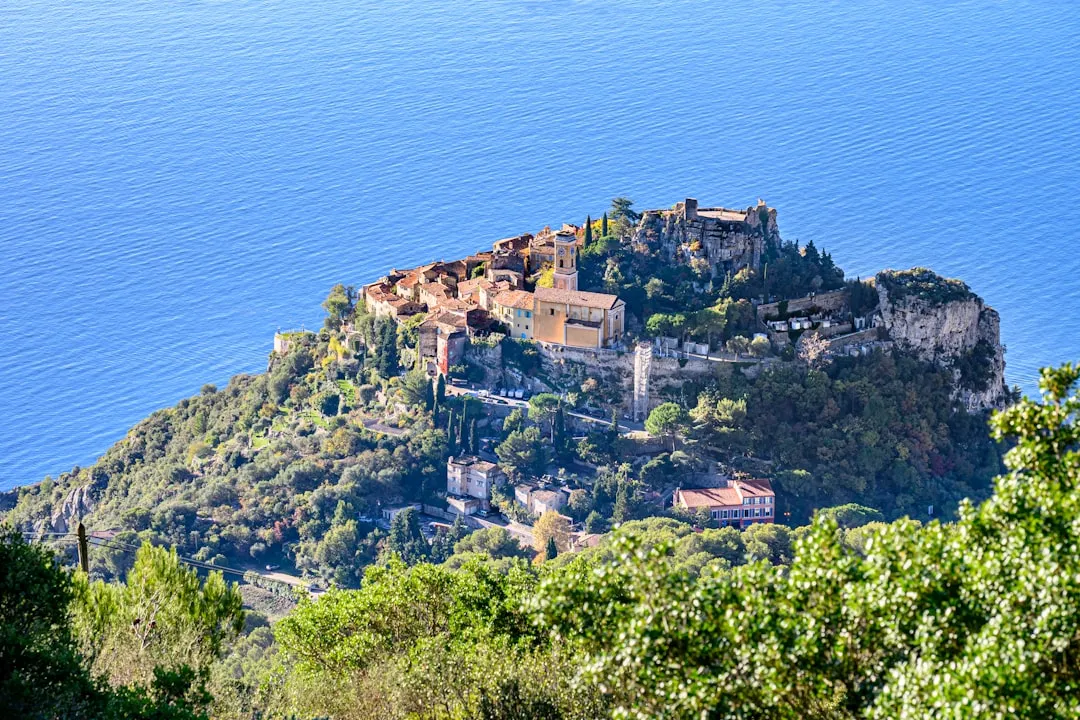
To understand why Niçoise gastronomy looks as it does, follow the coastline. Nice sits where Provençal herbs meet Ligurian pantry and Italian spice. The city was part of the Duchy of Savoy and officially became French in 1860. These political shifts shaped ingredients, techniques and trade routes.
Historical trade with Genoa explains socca's cousin, the Italian farinata. Fishermen's needs explain pan bagnat: a portable, durable meal made from salade niçoise ingredients, perfect for a day at sea. Auguste Escoffier, born in nearby Villeneuve-Loubet in 1846, helped popularize Mediterranean flavors in the modern culinary world, connecting local taste to global haute cuisine.
The Mediterranean diet's inscription on UNESCO's intangible heritage list in 2013 put regional foodways back in the spotlight. That recognition emphasized communal rituals—markets, seasonal eating, shared meals—which are core to Niçoise culture. Local chefs, historians and associations now point to that framework when promoting a specific claim for Niçoise cuisine.
Tensions à venir
Recognition brings choices. Tourist demand can flatten nuance: a simplified salade niçoise on a menu anywhere in Europe does not teach a visitor about the market practices behind it. Local chefs are negotiating between preservation and innovation, keeping roots while experimenting with new techniques and sustainable sourcing.
There are environmental stakes too. Anchovy stocks and small-scale fishing are under pressure across the Mediterranean. Protecting the culinary culture means protecting the sea and seasonal agriculture. Some restaurateurs in Nice source from short supply chains and highlight producer names on menus, a small but meaningful change.
Practical advice for the curious traveler: go early to Cours Saleya, taste socca where it is made, and ask vendors about provenance. When ordering salade niçoise, look for olive oil, raw vegetables and anchovies, and resist the tourist versions thick with mayonnaise. Learn a local name, like "pissaladiera" or "tourta de blea" and you will open conversations with cooks and elders who keep recipes alive.
Thanks for reading, and don't forget, Enjoy Life Moments!