Oleotourism on the Côte d'Azur: the oil-mill route of the Pays de Grasse
🚀 Key Takeaways
- Core concept : Oleotourism blends visits to traditional oil mills with tastings and learning experiences.
- Practical tip : Visit in October-November for harvest demonstrations and fresh cold-pressed oils.
- Did you know : Grasse is famous for perfume, yet its hills have hosted olive trees since Roman times.
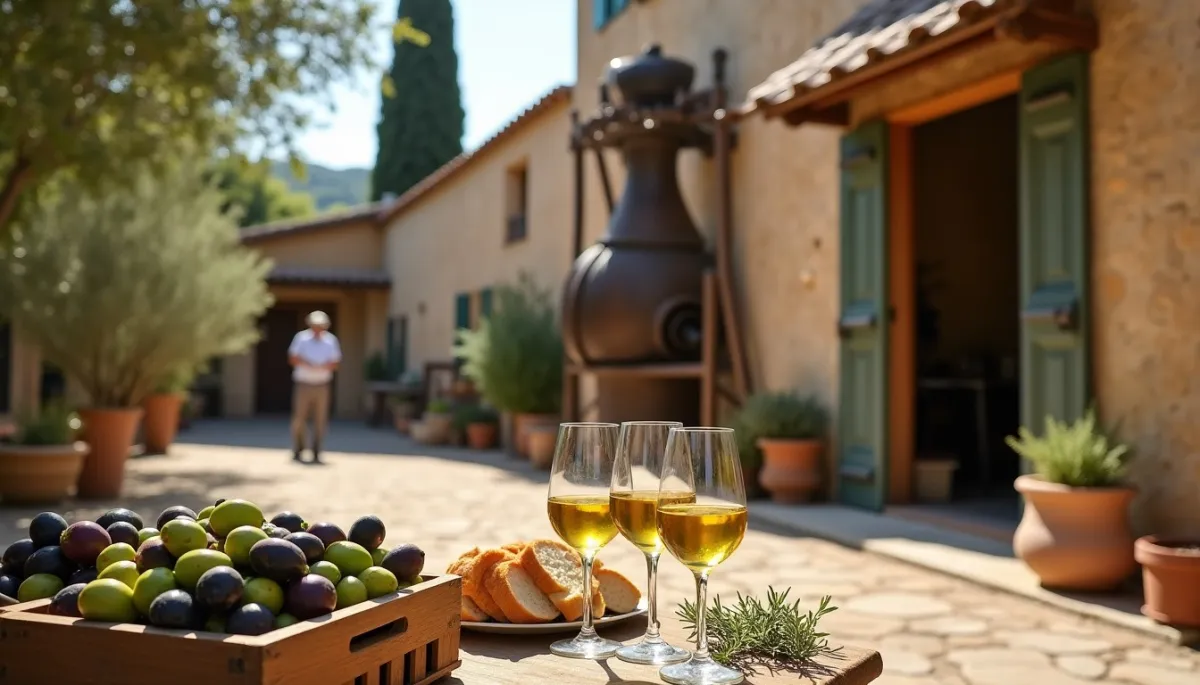
Sunlight on silver leaves. Imagine stepping into a courtyard where the scent of crushed olives mingles with thyme and rosemary.
hills and presses
The route of the oil mills in the Pays de Grasse winds from the hinterland terraces down to the small valleys that feed the Riviera. Olive trees, some grafted and centuries-old, cling to terraced slopes above villages such as Opio, Le Bar-sur-Loup and Cabris. Visitors follow narrow roads past dry stone walls, encountering family-run moulins where wood beams and bronze presses still tell stories.
Oleotourism means visiting these sites to observe production and taste the result. In many mills you can watch the process: arrival of the fruit, cold press within 24 hours, decantation and tasting. The experience is sensory and educational, aimed at reconnecting people with the origin of their oil.
On the Côte d'Azur, this trend has grown in the last decade as travelers seek authentic, slow experiences. Tourism offices of the Alpes-Maritimes have integrated olive routes into local offers, and guided visits are increasingly proposed during the harvest season, typically from October to November.
roots and reasons
Olive cultivation in Provence dates back to the Roman era. Archaeological traces and centuries of landscape management show that olives and amphorae were part of rural life. In the Pays de Grasse, perfume and olive culture developed side by side. The same sun that nourished jasmine also ripened olives.
Several factors explain the recent boom in oleotourism. Urban visitors want artisanal food, traceability and narrative. Local producers recognized an opportunity to diversify: offering tastings, workshops and farm-stays increases direct sales and invites return visits. Since the early 2010s, a handful of mills began to open regularly to the public, offering harvest participation sessions and sensory workshops.
Moreover, gastronomic interest in quality olive oil—particularly extra virgin, cold-pressed oils—has risen. Chefs on the Riviera champion local oils on menus, and markets in Grasse or Valbonne spotlight seasonal harvest bottles, making oils a culinary ambassador of the territory.
between tradition and renewal
Not everything is simple. Small producers face climatic stress, with late frosts or summer droughts affecting yields. Olive tree diseases, such as Xylella in other regions, remind visitors that agricultural resilience is fragile. Producers must balance tradition—hand-pruning trees, preserving old groves—with modern practices like controlled milling and sanitary standards.
That tension creates innovation. Some mills invest in mobile presses that come to remote groves, enabling immediate processing. Others collaborate with perfumers in Grasse to create sensory events that link scent and taste, underlining the territory's dual identity: perfume and olive oil.
For travelers, practicalities matter. Best time to go: October-November for harvests and pressing; spring for flowering landscapes. Book visits in advance, wear sturdy shoes for terraces, and ask for a tasting sheet: oils vary by cultivar, ripeness and pressing method. Buying from the mill supports producers directly, and smaller bottles make ideal souvenirs.
Finally, the route is as much about human encounters as about product. You will meet producers who inherited groves, newcomers who replanted terraces, and volunteers who gather olives by hand. Listening to their stories—of a harvest remembered in 1956, of a replanting after drought, of a mill that reopened in 2015—gives context to every drizzle of oil on your bread.
Thanks for reading, and don't forget, Enjoy Life Moments!