Mountain photography: capturing the golden hour on the Dents du Midi
🚀 Key Takeaways
- Core concept: Golden hour (30–60 minutes around sunrise and sunset) dramatically sculpts the seven peaks of the Dents du Midi.
- Practical tip: Use a tripod, shoot RAW, bracket exposures and favor f/8–f/11 with ISO 100 for landscapes.
- Did you know: The Dents du Midi massif has seven summits, with Haute Cime reaching 3,257 m, visible from Montreux and the Lavaux terraces (UNESCO site).
Light turns stone into poetry.
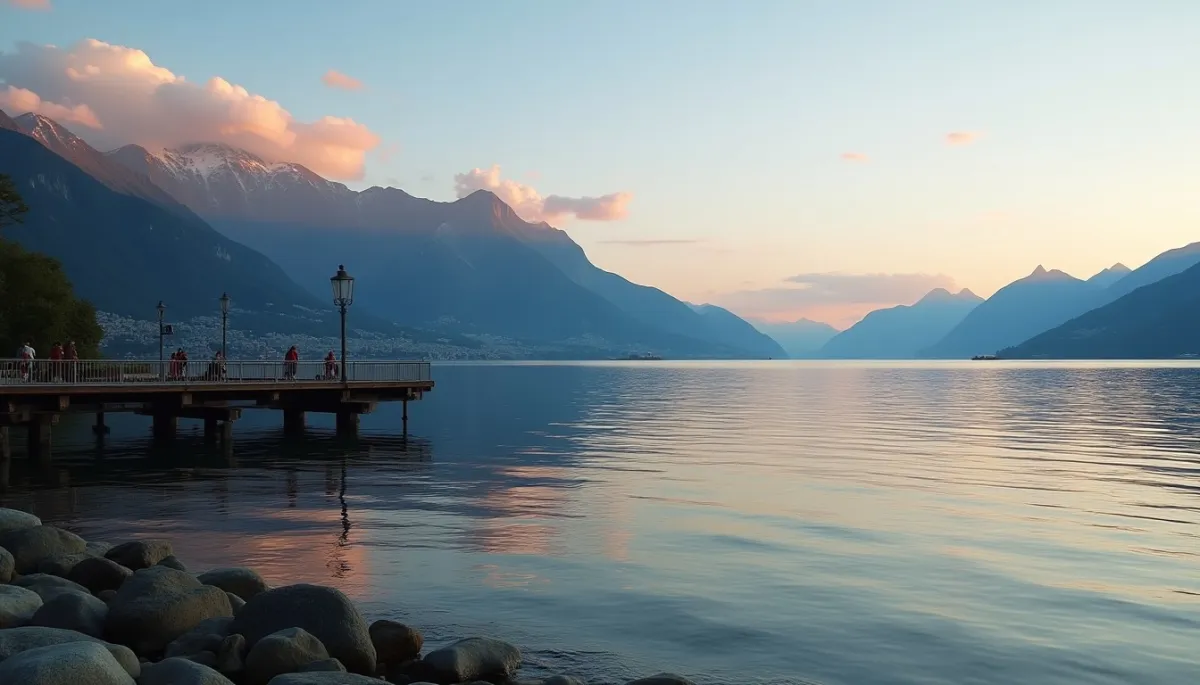
Imagine standing on the Montreux waterfront at sunset, a cool breeze from Lake Geneva, the sky bleeding orange and rose. The seven jagged silhouettes of the Dents du Midi catch the sun's last rays, their faces lit like carved honey. Tourists linger, a photographer checks histogram, a fisherman rows on the lake; everything slows to the rhythm of the light.
Lueur des sommets
The Dents du Midi are instantly recognisable: seven peaks aligned like teeth, Haute Cime topping at 3,257 metres. From the Swiss Riviera (Montreux, Vevey, Villeneuve) the massif forms a striking backdrop above Lake Geneva, seen across the Lavaux terraces (inscribed on the UNESCO World Heritage List in 2007).
Golden hour is not a cliché. It is a predictable optical window when the sun, low on the horizon, passes through more atmosphere and produces longer, warmer wavelengths. Practically speaking, count on 20 to 60 minutes of particularly flattering light at sunrise and sunset, though conditions vary by season and local topography.
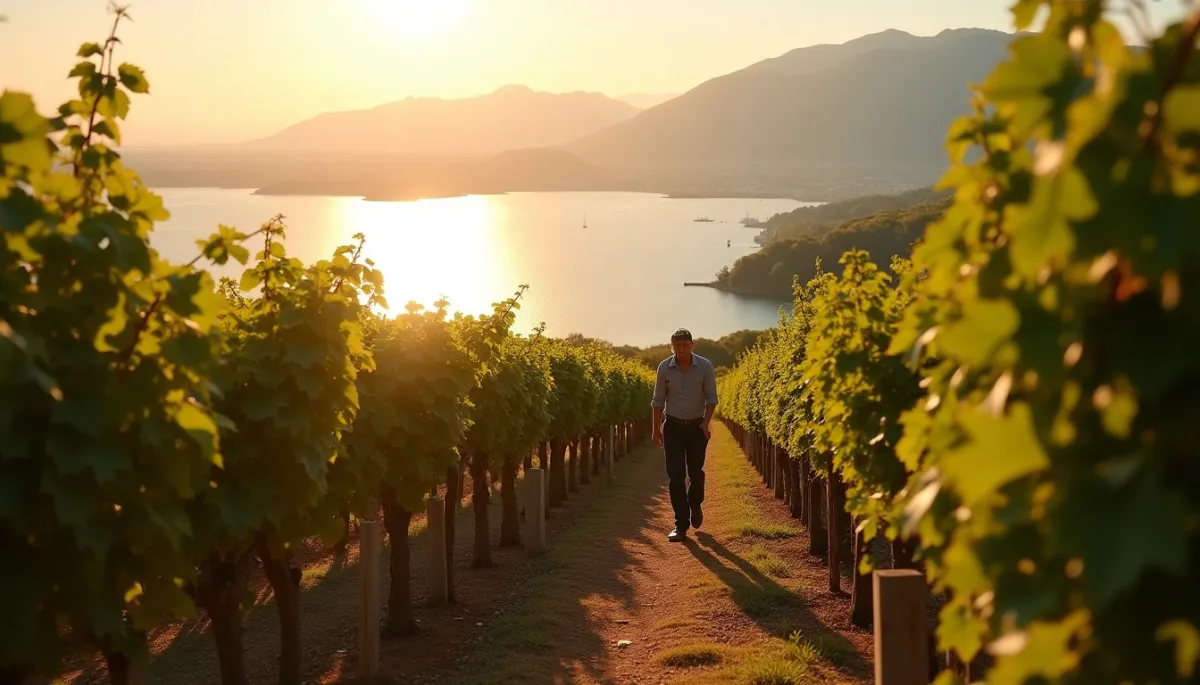
Photographers chasing alpine light often combine vantage points. Popular locations include the Montreux promenade for reflections on the lake, the terraces of Chexbres in Lavaux for vineyard foregrounds, and the Col de la Croix (approx. 1,778 m) for closer, elevated perspectives of the massif.
Pourquoi maintenant
There is a renewed interest in mountain photography since the 2010s, fuelled by better cameras in smartphones and social platforms that promote striking landscape imagery. The Riviera Suisse benefits: festivals like the Montreux Jazz Festival (every July) bring visitors who pair cultural outings with alpine panoramas.
Technically, modern sensors handle dynamic range much better. Shooting in RAW and using exposure bracketing (3 exposures at -1, 0, +1 EV) lets you recover details in both shadowed valleys and sunlit ridges when processing later. For golden hour, aim for ISO 100, aperture f/8 to f/11 and adjust shutter speed to maintain correct exposure.
Composition matters as much as gear. Introduce a strong foreground to convey scale: a vine row in Lavaux, a wooden jetty in Villeneuve, or alpine flowers near a mountain pass. Use the rule of thirds, but don't be afraid of central compositions when the symmetry of the peaks is compelling.
Contrastes et enjeux
Shooting at golden hour also brings challenges. The light changes rapidly (minutes, sometimes seconds), so you must work fast. Clouds can turn an ideal scene into a muted one; conversely, a fast-moving cloud can create dramatic contrasts worth waiting for. Check MétéoSuisse for up-to-date forecasts (and wind or fog alerts) when planning early-morning or late-evening sessions.
Human presence complicates but enriches the shot. Boats on Lake Geneva or walkers on a vineyard path provide scale and stories, yet they can create blur in long exposures. If you want people in frame, either sync them with your exposure (shorter shutter) or embrace long exposures and the ghostly motion they produce.
Respect local regulations and mountain safety. The Tour des Dents du Midi is a celebrated multi-day trek encircling the massif. If you plan sunrise access from high passes, allow extra time, bring warm layers, headlamp, and inform someone of your route. In winter and avalanche season, opt for safe, accessible viewpoints in the valley.
Astuces pratiques
Shooting checklist: tripod (stability for low light), remote shutter or 2s timer (avoid camera shake), wide-angle lens (16–35 mm equivalent), polariser to deepen skies, graduated ND filter to balance bright sky and darker foreground. Always shoot RAW for post-processing flexibility.
White balance: set to 'cloudy' to amplify warmth, or keep 'daylight' and adjust in RAW. Bracketing helps preserve the bright sunlit ridges and shadowed faces of the peaks, enabling either a natural HDR merge or selective dodging and burning in post.
Local timing tip: in summer, golden hour on the Riviera may begin late (after 20:00). In winter, the low sun compresses the window into a shorter span. Arrive 30 to 45 minutes early to scout compositions and scout potential foreground elements.
Thanks for reading, and don't forget, Enjoy Life Moments!