Morges castle: arsenal, fortress and guardian of Vaud's military history
🚀 Key Takeaways
- Key concept: A 13th-century fortress transformed into a military museum and cultural site.
- Practical tip: Combine a visit with the Morges tulip park in spring and a boat trip via CGN.
- Did you know: The castle overlooks a lakeside promenade and still displays artillery in its courtyard.
Stone and lake, memory and spectacle. Walking up to the castle courtyard, you feel the weight of centuries and the light of Geneva waters at the same time.
cœur des vestiges
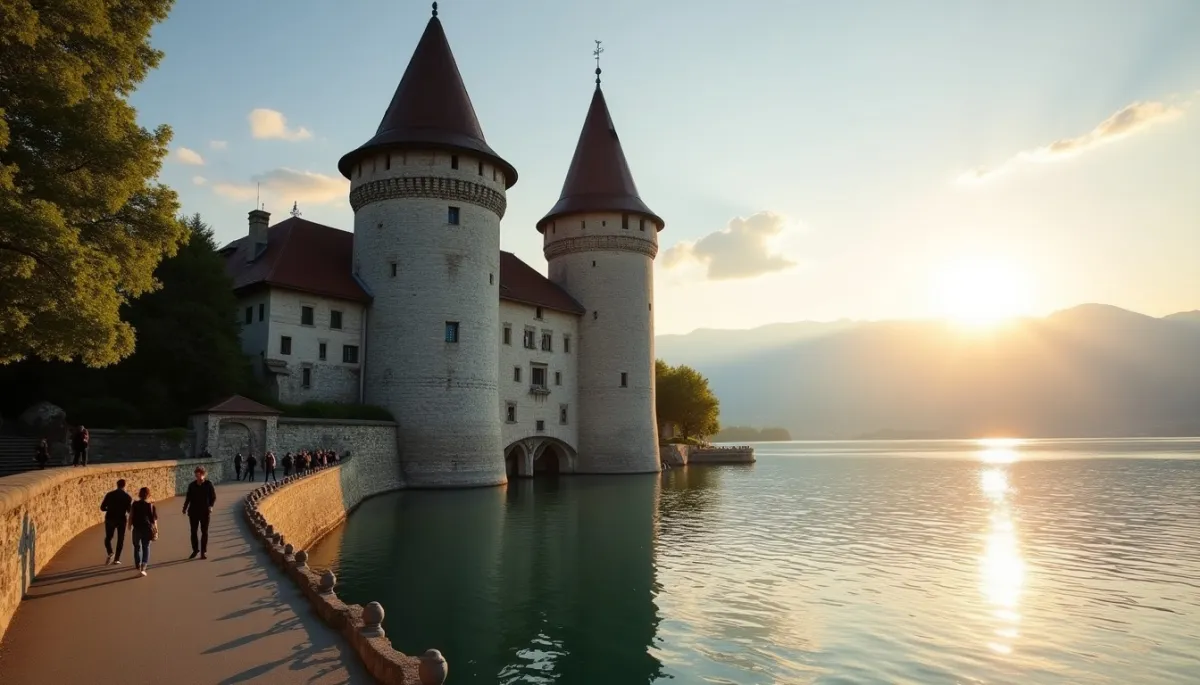
The Château de Morges owes its silhouette to the 13th century, when a Savoyard lord ordered its construction to control the lakeshore and the roadways that hugged Lake Geneva. Built around 1286 under the influence of the House of Savoy, the fortress originally included a curtain wall and towers placed to dominate the bay and the little port.
Over the centuries the castle was a military pivot. In 1536, Bernese troops extended their authority into the Vaud region, and Morges, like many strongholds, adapted to new rulers. The castle's ramparts and towers still suggest that complex succession of power, from feudal Savoy to Bernese administration, and then to modern Vaud after the upheavals of 1798 and the Restoration (act of mediation, 1803).
Today the stone volumes are organized around an inner courtyard where historic artillery and armored pieces are sometimes displayed, visible reminders that the site evolved from a working arsenal to a museumized testimony. Visitors can almost trace the change from medieval defense to 19th and 20th century military logistics by following the layout of the rooms.
racines et pouvoirs
The castle's role as guardian of military memory grew in the 20th century, when regional efforts collected uniforms, documents and material culture related to Vaud's militias and national service. Local associations gradually shaped a narrative that is at once regional and connected to Swiss neutrality and mobilization history.
Inside, exhibits present weapons, field equipment, training memorabilia and personal stories. These objects are not only technical, they are human: letters from reservists, photographs of local units during the First and Second World Wars, and testimonies of conscription as lived in Vaud. This approach makes the museum a place of social history, not merely of armaments.
Beyond the displays, the castle hosts temporary exhibitions, school programs and guided visits that contextualize military structures within daily civic life. That pedagogical mission helps modern audiences understand why a canton like Vaud kept strong local forces and how neutrality shaped Switzerland's defense choices.
entre mémoire et renouveau
Restoration and reuse have been constant questions. Balancing conservation with accessibility means protecting original masonry while inserting modern lighting, climate control and interpretative panels, so delicate works and documents survive and the public can engage comfortably.
At the same time, the castle is not frozen in a museum case. Cultural events, concerts on the esplanade and collaborations with the Parc de l'Indépendance (famous for its spring tulip displays) animate the site. That living use anchors the fortress in present-day Morges, where locals and tourists meet the past under open skies.
Challenges remain: funding for conservation, expanding digital access to collections and reconciling heavy military artifacts with sustainable presentation. Yet the castle's future looks promising when public interest is combined with municipal and cantonal support, allowing the Château de Morges to remain both a guardian of history and a community stage.
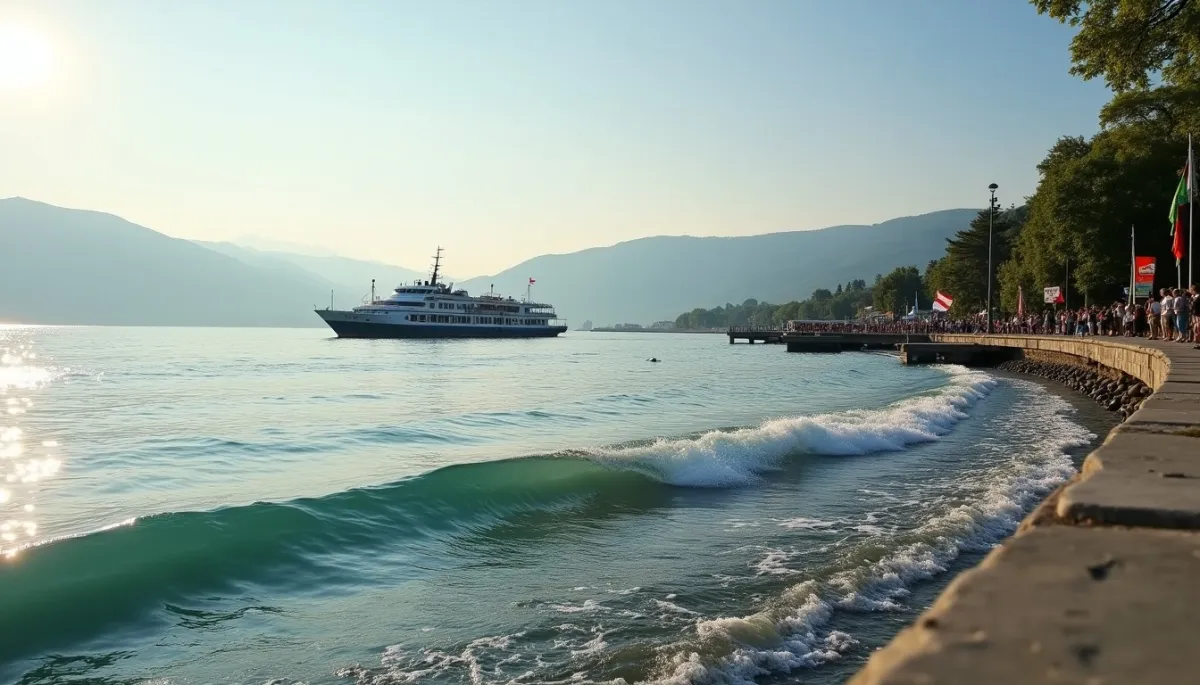
Visiting tips: arrive by CGN boat for a cinematic approach, prefer late afternoon light for photos, and pair the tour with the Parc de l'Indépendance in April for the tulip festival. Guided tours are often offered in French and sometimes in English; check the local tourism office for schedules.
Thanks for reading, and don't forget, Enjoy Life Moments!