The red kite: watching the master of the skies above Lavaux vineyards
🚀 Key Takeaways
- Core concept : The red kite (Milvus milvus) soars over Lavaux thanks to lake thermals and terraced updrafts.
- Practical tip : Best viewing from Chexbres, Rivaz or the vineyard trail at sunrise and late afternoon; bring binoculars and stay on paths.
- Did you know : Lavaux terraces are a UNESCO landscape created by medieval viticulturists, and they form a unique habitat mosaic for raptors.
A flash of cinnamon and a forked tail — and the world seems to hold its breath.
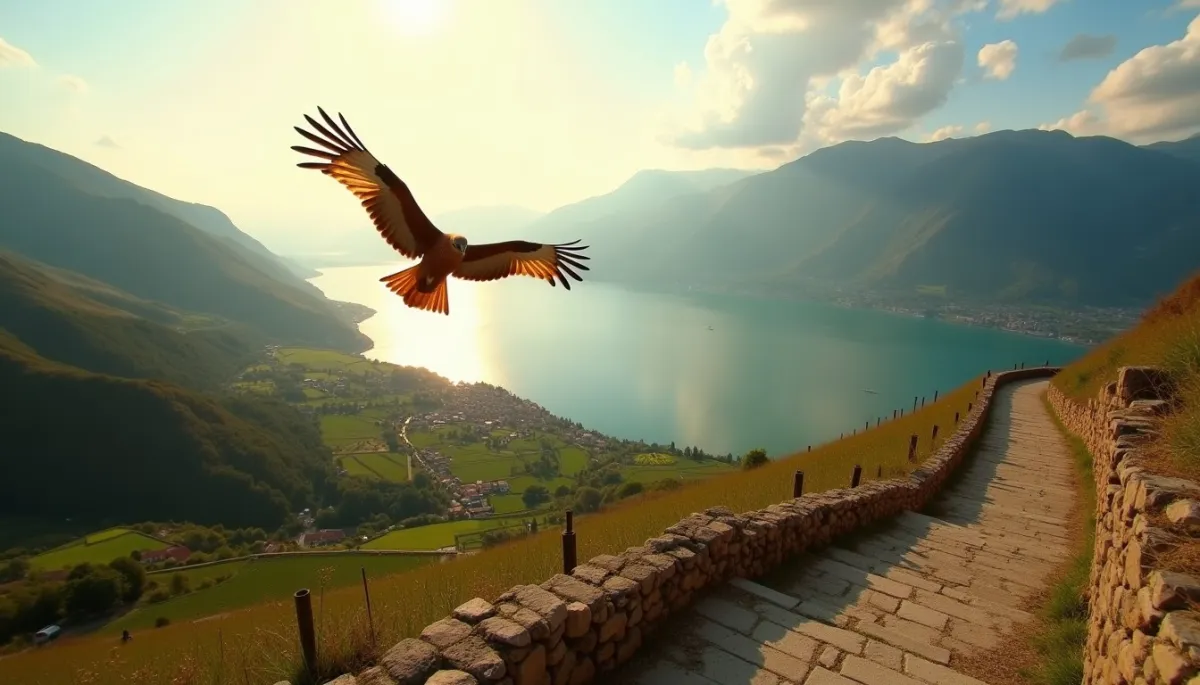
Picture yourself on the vineyard path between St-Saphorin and Rivaz, a cool breeze from Lake Geneva at your back. Terraces drop in neat steps below you, stone walls glint in the sun, and above, a red kite circles effortlessly, scanning the slopes for prey or carrion. Winegrowers move slowly between vines, tourists pause to photograph the view, and the kite, unbothered, patrols its territory.
The presence of the red kite has immediate consequences for how visitors experience Lavaux. Birdwatchers add raptor-watching to wine-tasting days, photographers plan trips around golden hours, and local guides weave natural history into vineyard walks. At Chexbres belvedere and in Grandvaux, you will often see small groups of observers with binoculars and guides pointing out the kite's angled wings and forked tail. A few years ago, a family from England filmed a kite stealing scraps near a picnic area; the clip went viral locally and reminded managers to post signs about not feeding wildlife.
Rêve de grain et d'air
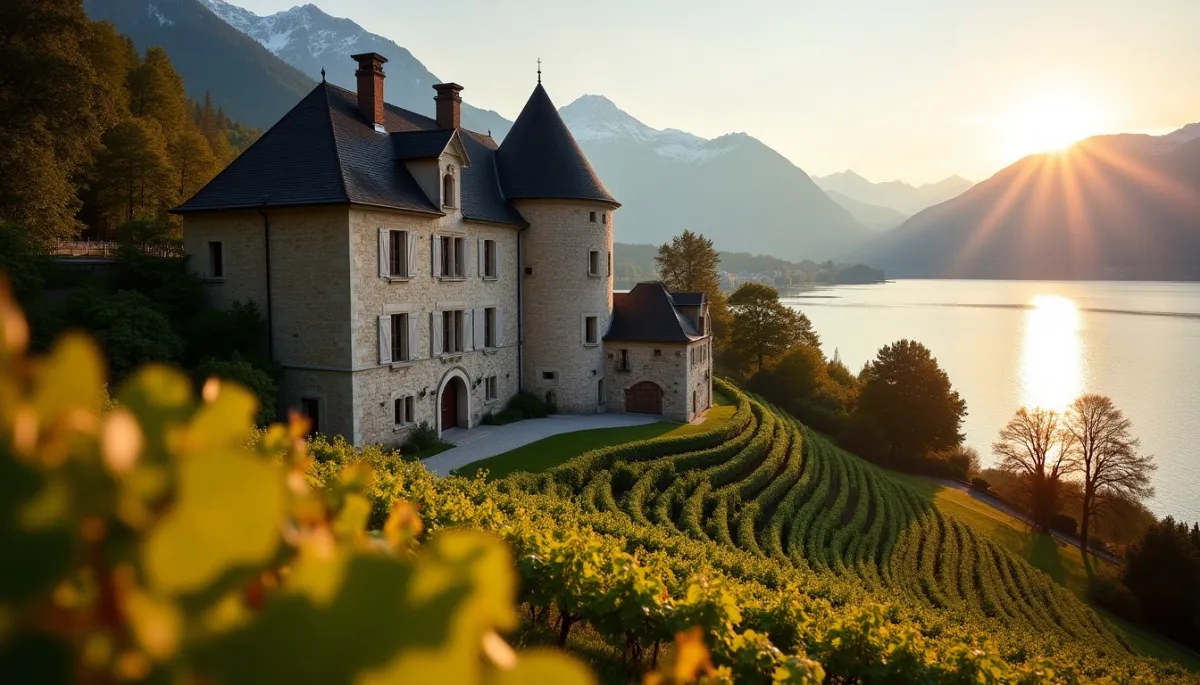
On entend souvent que Lavaux is only about wine and views. In reality, the mosaic of stone walls, vine rows, fallow patches and small orchards creates microhabitats rich in small mammals, insects and carrion, all attractive to scavengers and small raptors. The kite benefits directly from this patchwork.
Concrete examples abound: near Rivaz, terrace edges shelter voles and shrews. After harvest, dropped grapes and compost heaps attract rodents and insects, then kites and corvids follow. Local guides at Lavaux Vinorama occasionally report observing kites hunting along the steep rows where tractors cannot reach.
Another consequence: tourism management has adapted. Some vinters now schedule guided walks earlier or later to maximize wildlife sightings while minimizing disturbance. Train stops such as Chexbres-Village become starting points for short birding circuits, mixing cultural and natural tourism.
Pourquoi il plane
The reason the red kite frequents Lavaux is simple physics and history combined. Lake Geneva creates stable thermal currents and localized updrafts along the terraced slopes. These air movements let the kite glide with minimal wing-flapping, scanning wide areas for food.
There is also a historical cause. Lavaux's terraces, sculpted by medieval monks and consolidated over centuries, have remained in viticultural use. This continuity preserved a semi-open landscape that many modern intensive farms have lost. The result is a biodiversity-friendly environment where raptors can find food close to human activity.
Conservation work has reinforced this trend. Swiss authorities and organizations like BirdLife Switzerland have campaigned against illegal poisonings and promoted raptor-friendly practices. In canton Vaud, awareness programs for winegrowers encourage low-impact pest management and signage to protect nesting zones.
Échos et points d'ombre
Yet contradictions exist. Increased popularity of Lavaux as a scenic destination creates more foot traffic near nesting sites. Drones, when flown irresponsibly, disturb birds and are regulated near protected areas. The balance between visitor access and wildlife protection is delicate.
Viticulture itself evolves. Mechanical harvesting reduces the number of manual harvesters walking the rows, which can change predator-prey dynamics. Conversely, some producers adopt ecological practices, planting cover crops and leaving hedgerows, which benefits small mammals and in turn kites.
Looking ahead, initiatives to monitor raptor populations are essential. Citizen science projects, where locals and visitors log sightings via apps, help authorities map hotspots and times of sensitivity. Practical advice for visitors is straightforward: keep distance, avoid feeding, use binoculars, and respect signage. That way, the red kite remains both a spectacle and a sign of a healthy, cared-for landscape.
Thanks for reading, and don't forget, Enjoy Life Moments!