Mezcal vs tequila: understanding Mexico's mystic spirit through its terroir
🚀 Key Takeaways
- Key concept : Tequila is mainly from blue agave and Jalisco, mezcal can be made from many agave species across several regions, each terroir shaping flavor.
- Practical tip : Visit a palenque, ask about oven type and fermentation, and prefer bottles with clear origin and producer information.
- Did you know : Mezcal's smoky profile often comes from pit-roasting agave, a process that gives each region a distinct aromatic fingerprint.
Tequila and mezcal share a botanical root, the agave, but they express Mexico's landscapes very differently. One sip can reveal volcanic mineral, coastal salinity or mountain herbs, depending on where the plant grew and how it was made.
In this guide I explain, as a traveler and local expert, how terroir and craft shape these spirits, how to taste them respectfully, and where to go if you want to hear the real stories behind the bottle.
Origins and terroir
Tequila has its historical center in Jalisco, where the blue agave dominates vast plantations. The soil, often volcanic and rocky, gives many tequilas a bright, sometimes mineral character. Official protections and regulated zones helped shape a modern, export-ready industry.
Mezcal is rooted in several Mexican states, with Oaxaca the most famous. Mezcal makers use dozens of agave species, wild and cultivated, from lowland coastal types to highland varieties. This diversity produces an extraordinary range of flavors: floral, fruity, earthy and yes, smoky when pit-roasted agave is used.
From agave to bottle: production methods
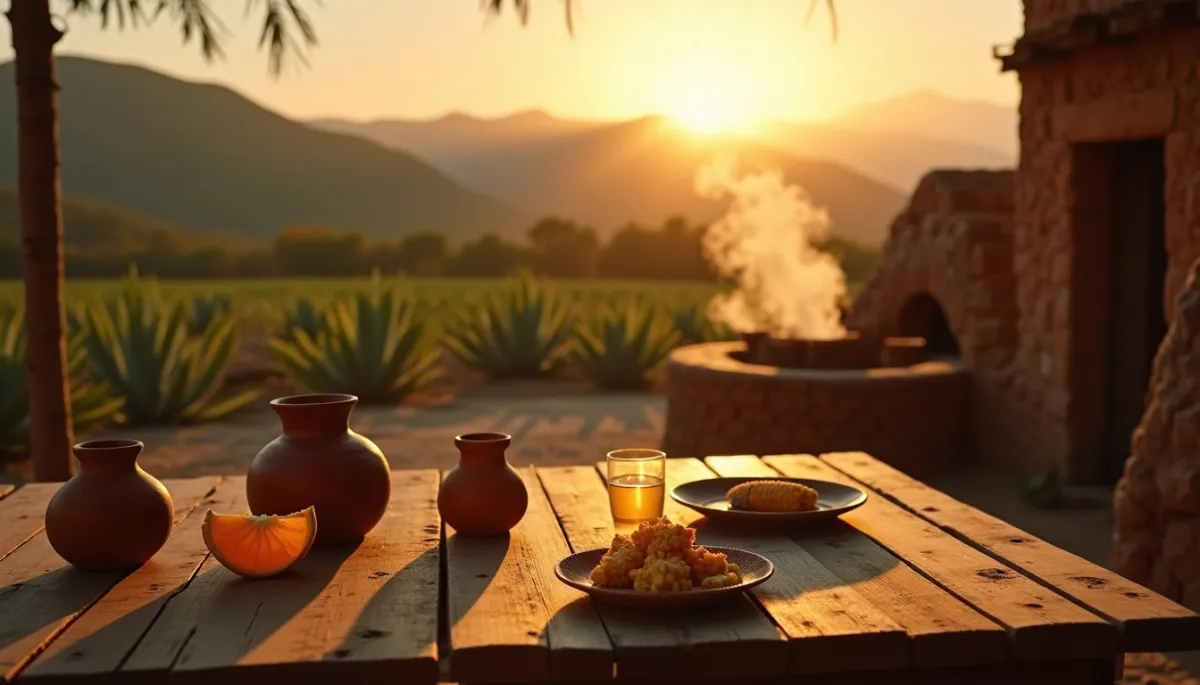
The first crucial divergence is how the agave is cooked. Tequila producers generally use steam ovens or autoclaves that preserve cleaner, vegetal notes. Mezcal producers often roast piñas in earthen pits lined with stone and charcoal, which infuses smoke and smoky minerals into the spirit.
Crushing, fermentation and distillation follow different cultural logics. Some tequilas are made at industrial scale with mechanized mills and column stills, while many mezcals rely on tahona wheels, open fermentations with wild yeasts and small copper or clay pot stills. Those artisanal choices translate directly into texture, aroma complexity and terroir expression.
Tasting, categories and sensory cues
Tequila categories are familiar: blanco or joven, reposado, añejo. The aging matters, but the raw agave note remains central. Expect fresh agave, citrus, pepper and, in aged expressions, oak-driven vanilla or caramel.
Mezcal tasting is an exercise in discovery. Joven mezcals often show direct agave, smoke and mineral. Rested or aged mezcals soften and add wood, honey or dried fruit. Look for varietal names like espadín, tobala or madrecuixe. Each signals a different plant profile and usually a distinct place of origin.
Cultural rituals and myths
Both spirits are woven into local celebrations and rituals. A palenque visit often includes stories from the mezcalero about ancestral techniques, family lineage and the land. Tequila too is part of regional identity, festivals and modern bars that reinterpret tradition.
Be wary of clichés. The so-called "worm" is a marketing image, not a defining tradition. What matters more is the human story: who tended the agave, how long it grew, who distilled it and how the community is involved.
Pairings and how to drink them
Drink simple to understand origin. Start with blanco tequila or a joven mezcal neat, at room temperature, in small copitas. Nosing first, then small sips to catch unfolding layers. Water or a clean palate reset helps between samples.
Food pairings: tequila shines with ceviche, grilled fish or citrus-forward dishes. Mezcal pairs beautifully with Oaxacan mole, grilled meats, dark chocolate and salty, acidic bites like orange with sal de gusano. In cocktails, mezcal brings depth to a negroni or paloma, while tequila lifts a margarita with bright agave zest.
Travel: where to go and what to know
To feel the terroir, visit a palenque. In Oaxaca, towns like Santiago Matatlán and villages across the Tlacolula valley are traditional centers. In Jalisco, towns around Tequila and the highlands show a different landscape and production scale.
Ask before you visit: many small producers are family operations and appreciate visitors who come with respect and curiosity. Buy directly when possible, and avoid mass-market fakes by checking producer and region on the label.
Sustainability and the future
Agave takes years to mature. Increased demand has stressed wild populations and changed cultivation practices. Responsible producers adopt replanting, cultivate threatened species and prefer longer rotations to protect biodiversity.
The future of these spirits depends on balancing export success with local stewardship. Supporting artisanal mezcaleros, buying transparent brands and learning about cultivation are simple ways travelers can help preserve terroir.
Thanks for reading, and don't forget, Enjoy Life Moments!