Jungle myths: who are the Aluxes, the Maya's little guardians?
🚀 Key Takeaways
- Core concept : Aluxes are small protective spirits (plural: aluxob) in Maya folklore.
- Practical tip : When visiting cenotes or small farms, follow local guides and respect offerings.
- Did you know : Farmers traditionally build tiny shrines or leave toys and food to appease them.
Close your eyes and listen: a small stone rolls under a leaf, then silence.
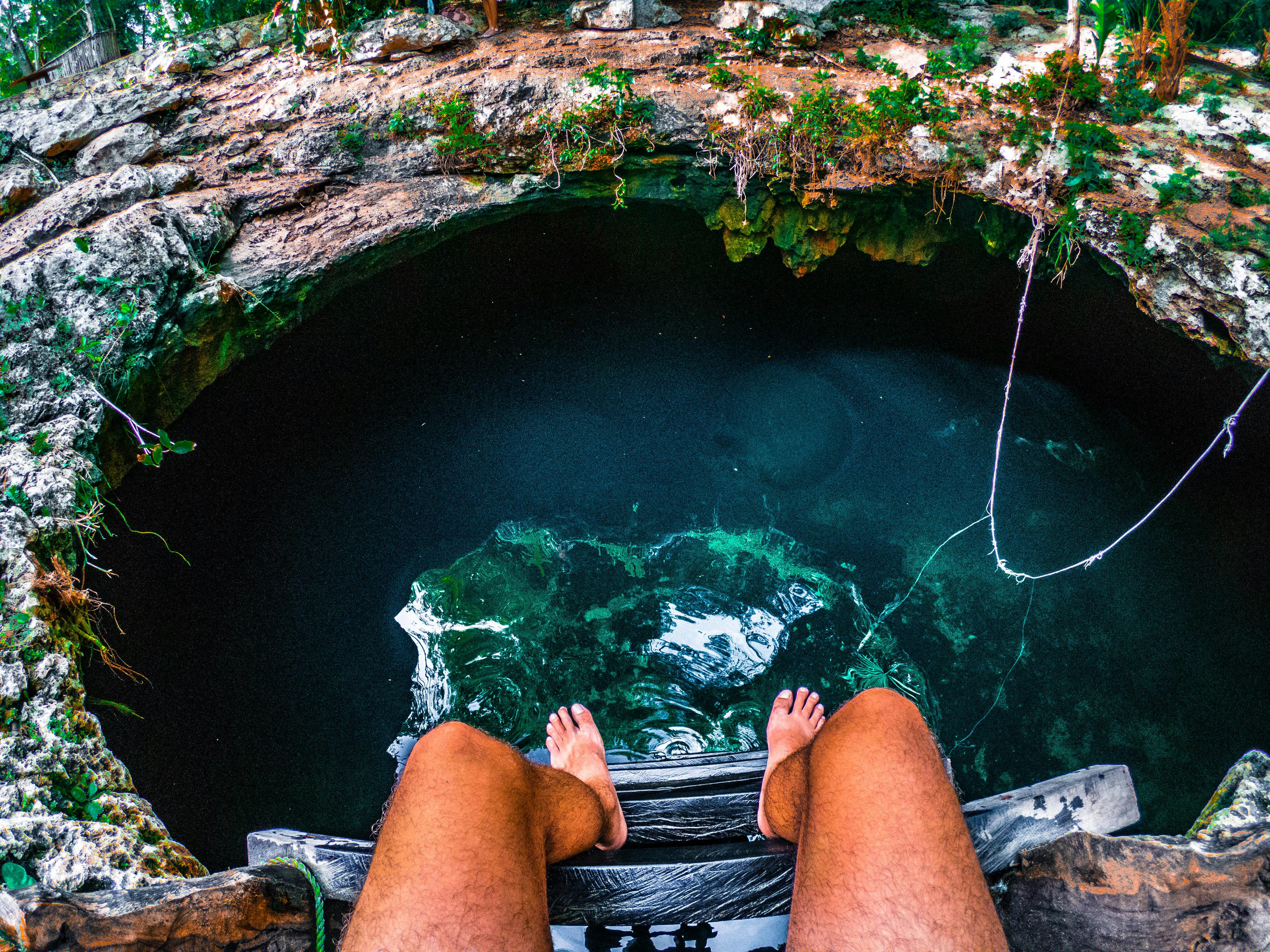
Under a high ceiba, beside a sinkhole where the water is black and still, a guide lights a candle and places a tiny clay pot on a ledge. Tourists feel a chill, locals smile. This is a common scene around Tulum, Valladolid and inland villages of Quintana Roo and Yucatán, where belief in the aluxes threads daily life to an older world.
Hidden presences
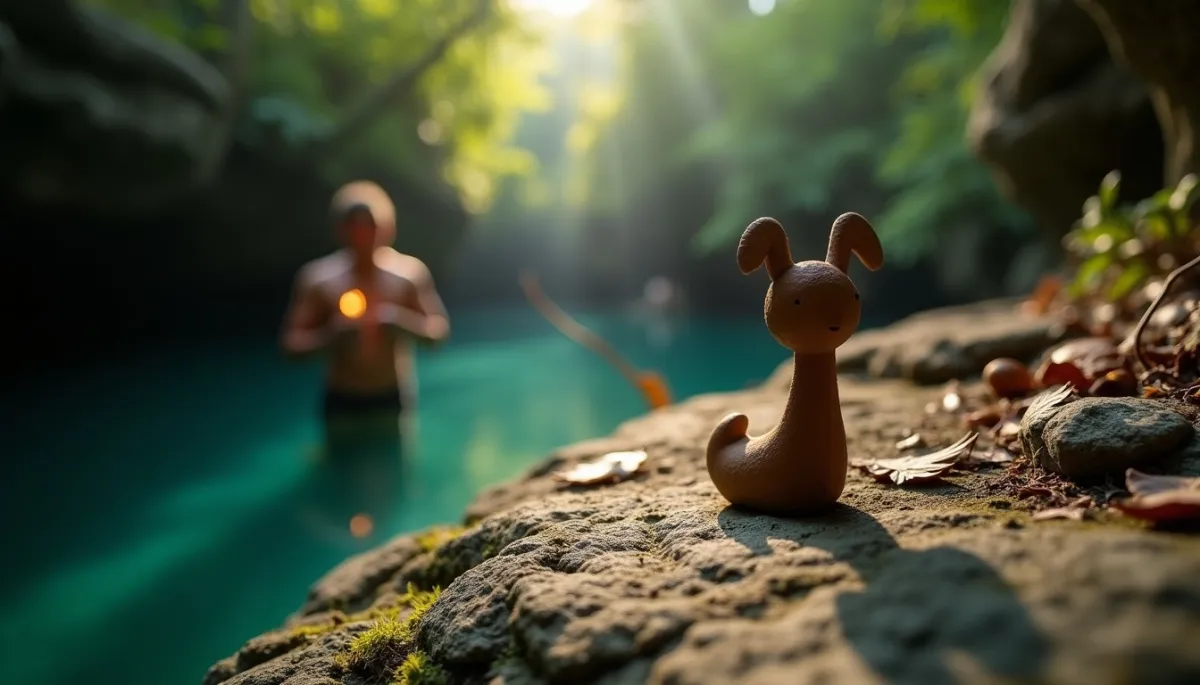
Aluxes (singular: alux) are, in local tradition, small beings who live at the edges of human space: the milpa (cornfield), the cenote, or the ruins of an abandoned house. They are often described as no taller than a child, clothed in leaves or moss, mischievous but protective.
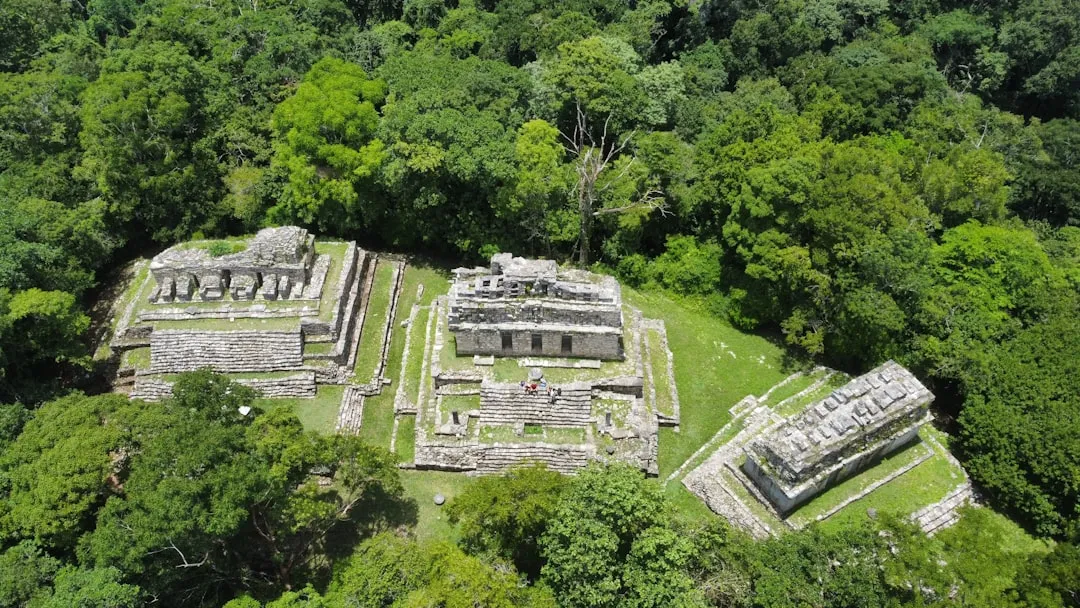
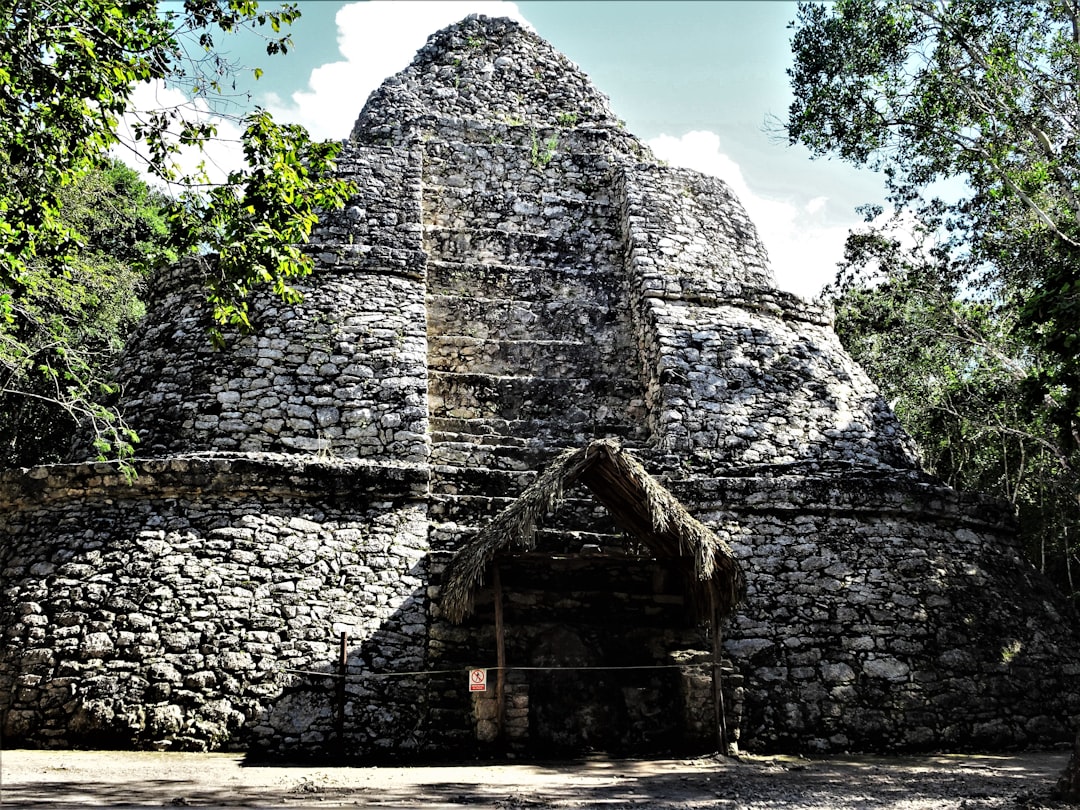
Ethnographers and Maya scholars collected hundreds of these stories during the 20th century. The term aluxob (plural in Yucatec Maya) appears in oral tales recorded in the 1930s to 1960s, and the motif is older, pre-dating Spanish contact. Colonial friars documented folk practices (often to condemn them), which shows the persistence of these beliefs for centuries.
Geographically, accounts concentrate in the peninsula of Yucatán, including the present-day states of Yucatán, Campeche and Quintana Roo. In the Riviera Maya, guides at Dos Ojos and Gran Cenote often tell visitors about tiny footprints on limestone or offerings left at cave mouths to placate these guardians.
Guardians of the milpa
At the heart of the belief is agriculture. The milpa cycle (the small, diversified corn plot central to Maya life) depends on rain, soil and timing. Aluxes are thought to protect crops from thieves and wild animals, and to ensure fertility. Farmers traditionally left a small hut or a clay figure where the alux might live.
Offerings sustain the pact: a bowl of corn, a child's toy, a candle, or a little rope tied around a tree. Stories describe how a farmer who ignored the alux woke to find crops flattened or tools misplaced. Conversely, those who honored them reported sudden rains or healthy harvests, a narrative that reinforced communal practices.
Beyond fields, aluxes are linked to cenotes and caves. Waters are sacred and dangerous; guides will often advise visitors to ask permission before entering, a practice rooted in respect and safety, and framed today as cultural courtesy as much as superstition.
Between myth and tourism
Today, the image of the alux circulates beyond village firelight. Souvenir shops sell figurines, eco-parks incorporate small 'alux houses' into gardens, and storytelling becomes part of guided cenote tours. This visibility brings both benefits and tensions.
On the positive side, the renewed interest helps preserve narratives and provides income for local storytellers and artisans. Since the 1990s, a cultural revival across the peninsula encouraged the teaching of Maya language and traditions, giving younger generations pride in these tales.
However, commercialization risks flattening the complexity of belief into an exotic motif. Locals warn against disrespect: removing offerings, mocking rituals or treating sacred sites only as photo backdrops. Respectful tourism means listening, paying local guides, and following rules posted at cenotes and archaeological sites.
Practical keys
If you want an authentic encounter, prefer small family-run tours in places like Valladolid or the cenotes of Cuzamá. Ask your guide about local customs; if a small bowl or toy is on a ledge, do not touch it. Leave no trace, and consider buying a handcrafted alux figurine from a local artisan rather than supermarket souvenirs.
Languages matter: many residents speak Yucatec Maya. A simple greeting or a few words shows interest and opens conversation. Museums in Mérida and the regional cultural centers often host talks or exhibitions on Maya folklore where you can learn the background respectfully.
Finally, remember that folklore shifts. For some the alux is playful, for others a serious guardian. Whether you arrive as a skeptic or a believer, these tales are part of the Riviera Maya's living heritage, connecting people to land, water and seasons.
Thanks for reading, and don't forget, Enjoy Life Moments!