Mayan rituals still practiced today on the Riviera Maya
The Yucatán Peninsula remains a stronghold of Maya language, cosmology and ceremonial life. Visiting the Riviera Maya today means encountering rituals that have adapted over centuries yet retain core meanings: purification, gratitude, agricultural cycles and bonds with the natural world.
In this article we map the most visible rituals you can witness or respectfully learn about in 2026, explain their origins, and give practical advice on how travelers can honor local customs. For broader context on Mexico's living cultures, see resources like National Geographic's Mexico coverage and community guides on TripAdvisor.
Temazcal: the sweat lodge of rebirth
Temazcal ceremonies, a Mesoamerican steam ritual, are widely practiced across the Yucatán and Riviera Maya for purification and healing. Led by a trained temazcalero (ritual leader), participants enter a low, domed stone or brick structure where heated stones release steam infused with medicinal plants.
Beyond physical cleansing, temazcales address spiritual renewal—participants often report a deep sense of release and reconnection. Many eco-resorts and community centers offer temazcal sessions, but prioritize local-run experiences and authentic leaders over commercialized versions.
Hanal Pixán: the Maya Day of the Dead
Hanal Pixán, literally 'food for the souls' in Yucatec Maya, is the regional expression of Día de los Muertos. Families prepare altars, special foods (like mucbipollo) and offerings to honor deceased relatives; rituals blend pre-Hispanic beliefs with Catholic calendar elements.
Observed in late October and early November, Hanal Pixán remains central to many Maya communities; public events in towns like Valladolid and local villages provide respectful opportunities for visitors to learn about the living ritual and its meanings.
Cenote offerings and water rituals
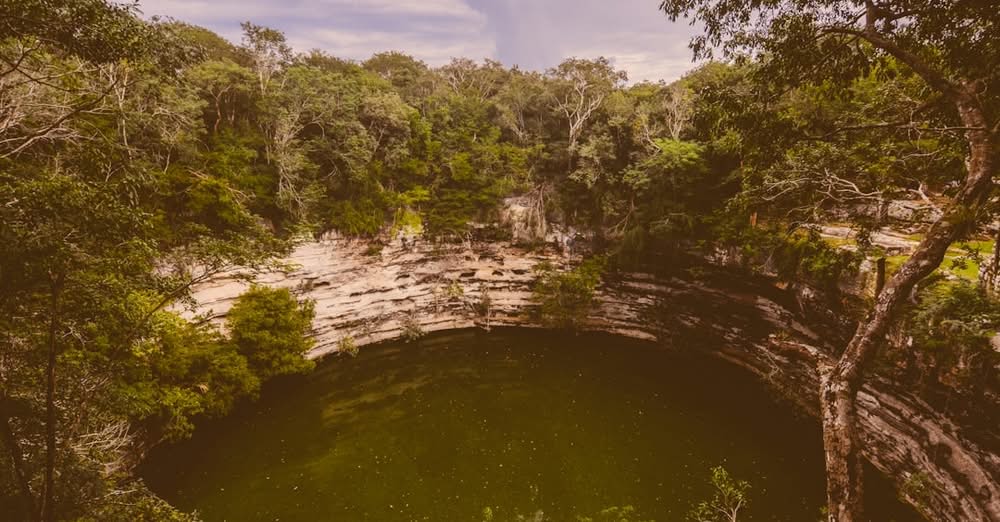
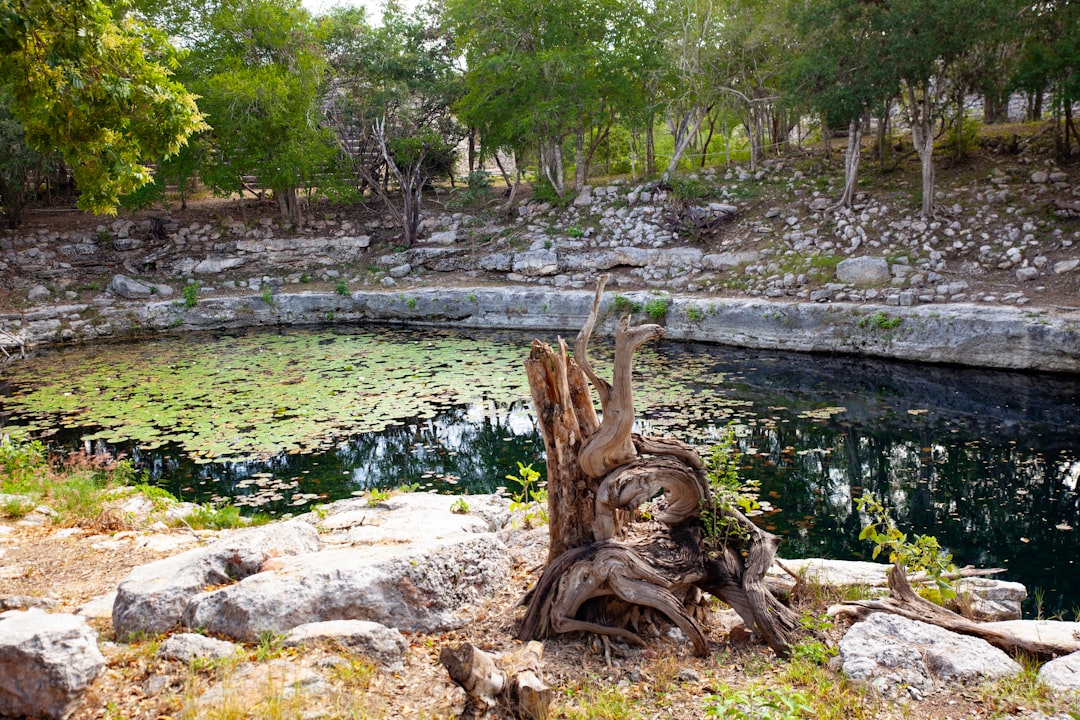
Cenotes—sacred sinkholes that once connected Maya communities to the underworld—still host offerings and ceremonies today. Local families and ritual specialists may leave copal, flowers, food or personal tokens, acknowledging cenotes as living springs with spiritual presence.
While archaeological finds attest to ancient sacrifices and votive deposits, contemporary offerings are focused on gratitude, petitions for rain or fertility, and protection. Visitors should never remove objects or disturb sites; many communities welcome quiet observation or guided experiences led by locals.
Agricultural rites and the milpa cycle
The milpa—an intercropped maize field system—remains the backbone of rural life for many Maya farmers. Planting and harvest ceremonies combine practical knowledge with ritual acts: blessings for seed, soil and seasonal rains, often accompanied by prayers, offerings and communal work.
These rites embody reciprocity with the land and transmission of traditional ecological knowledge. Tourists interested in agro-tourism should seek community-based programs that support local economies and respect seasonal rhythms rather than commercial demonstration plots.
Copal, incense and spiritual cleansings
Burning copal (a tree resin) and other medicinal plants is a persistent practice used in blessings, cleansings and temple rites. The aromatic smoke is believed to purify spaces, call ancestors, and create a bridge between the material and spiritual realms.
Offerings and limpias (spiritual cleansings) are sometimes offered by contemporary Maya healers or curanderos in towns and villages. As with temazcal, choose practitioners recommended by local communities and avoid exploitative shows designed for tourists.
How to respectfully witness or participate
Respect is paramount: always ask permission before photographing rituals or people, follow local etiquette, and accept if a ceremony is closed to outsiders. Learning a few words in Yucatec Maya or Spanish and engaging through community tourism initiatives demonstrates goodwill.
Support authentic experiences by booking through local cooperatives, hiring community guides, and buying traditional crafts directly from makers. Responsible travel helps preserve these living traditions and returns economic benefits to the communities that steward them.
For travelers seeking deeper understanding, consult reputable sources and local cultural centers; two useful starting points are National Geographic and community reviews on TripAdvisor.
Thanks for reading, and don't forget, Enjoy Life Moments!