Well-being and Nature: How Riviera Maya Landscapes Impact the Mind
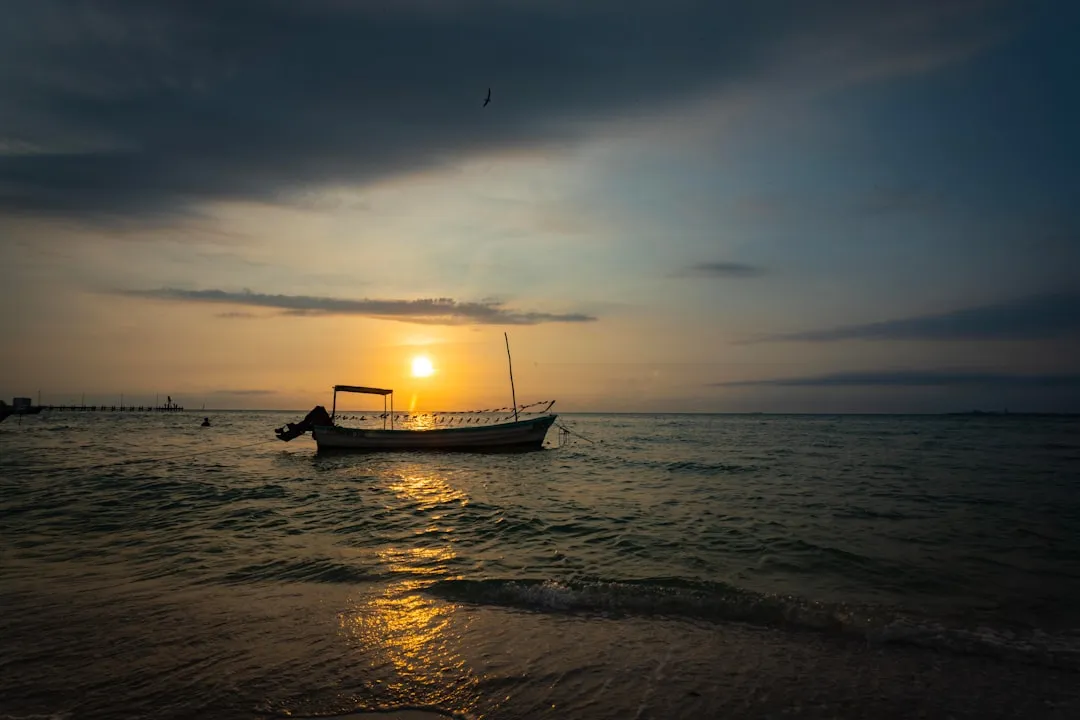
The Riviera Maya is not only a top travel destination in 2026; it's also a living laboratory for the mental benefits of natural landscapes. From turquoise shores to hidden sinkholes, the region offers varied environments that stimulate different restorative processes.
In this guide we unpack the scientific mechanisms behind nature's calming power, explain how specific Riviera Maya landscapes impact mood and cognition, and give practical tips to maximize well-being while traveling responsibly.
How landscapes change the brain: the science
Research in environmental psychology and neuroscience shows that exposure to natural environments reduces cortisol (the stress hormone), lowers heart rate, and increases parasympathetic activity. Theories such as Attention Restoration Theory (ART) explain why soft fascination—like waves or rustling leaves—restores depleted cognitive resources.
Large outlets like National Geographic have documented how Mexico's varied geography supports mental and physical renewal. Sensory richness—light, sound, scent, and texture—engages restorative pathways that cityscapes rarely provide.
Riviera Maya landscapes and their mental benefits
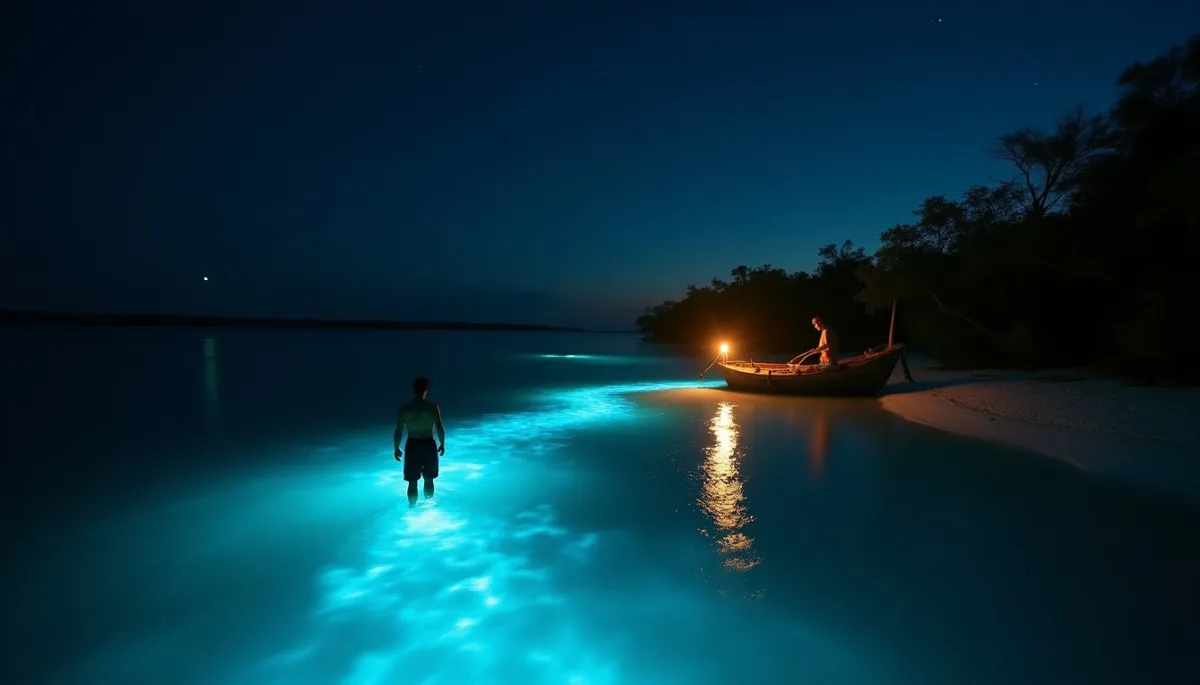
Beaches: Open horizons and rhythmic waves promote feelings of calm, awe, and perspective. The combination of blue water and bright sky stimulates the parasympathetic nervous system and can reduce rumination.
Cenotes: These freshwater sinkholes offer cool, sheltered spaces that encourage introspection and gentle immersion. Many visitors report immediate mood lifting and a sense of grounding after swimming in a cenote.
Jungle and mangroves: Dense green spaces provide sensory complexity and biodiversity that support attention restoration. Guided walks or quiet moments among native flora can lower anxiety and improve focus.
For practical destination planning, traveler resources such as TripAdvisor list top natural sites and visitor reviews, helping you choose experiences that fit your restoration goals.
Practical ways to use landscape for well-being
Mindful walking: Slow your pace and engage each sense—notice sand underfoot, the smell of sea salt, or bird calls. Ten minutes of focused walking often yields measurable mood improvement.
Water immersion: A brief swim in the ocean or a cenote cools the body, focuses attention, and can reset emotional states. Combine with deep breathing to amplify benefits.
Micro-restorations: If you’re short on time, step outside for three-minute visual breaks—look at a green patch, a palm frond, or the horizon. These micro-restorations rebuild attention and reduce decision fatigue.
Creative rituals: Use natural backdrops to write, sketch, or photograph. Nature’s varying stimuli often trigger new ideas and problem-solving insights faster than urban environments.
Travel tips for lasting benefits and sustainable visits
Choose low-impact activities: Opt for small-group cenote tours, certified guides for jungle treks, and reef-safe sunscreen to protect ecosystems that support visitor well-being. Respect wildlife and local regulations to preserve the restorative qualities for everyone.
Plan for rhythm: Space restorative activities across your itinerary—sunrise beach time, midday cenote dip, late afternoon jungle walk—to build cumulative mental health gains. Prioritize sleep, hydration, and shade to get the full effect.
Engage with local communities: Learning about Mayan culture, traditional uses of plants, or local conservation efforts deepens the restorative experience and fosters meaning—an important component of long-lasting well-being.
Thanks for reading, and don't forget, Enjoy Life Moments!