The healing power of Melipona honey, the Maya's ancient health secret
🚀 Key Takeaways
- Key concept : Melipona honey is produced by stingless bees and valued for its antimicrobial and anti-inflammatory tradition-backed properties.
- Practical tip : Buy from certified meliponaries near Mérida, Valladolid or Tulum to ensure authenticity and support local conservation.
- Did you know : The Maya considered stingless bee honey sacred, used in ceremonies and as medicine long before modern laboratories studied it.
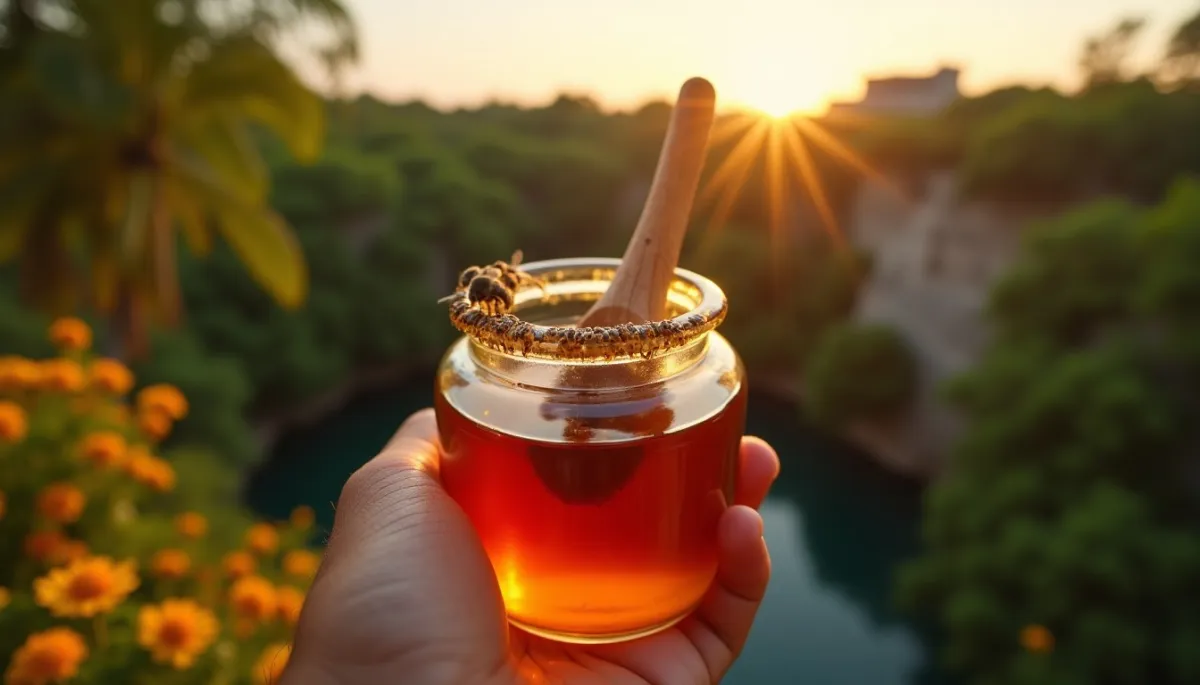
The honey of Melipona, a group of stingless bees native to Mesoamerica, is different in color, texture and taste from common honey produced by Apis mellifera. It is darker, more fluid and often carries floral and resinous notes that tell you about the forest where it was made.
Beyond flavor, this honey has a long reputation in Maya traditional medicine. Today researchers and travelers alike rediscover its potential, while local communities work to keep meliponiculture alive. Here is what to know before you taste or use it.
History and Maya tradition
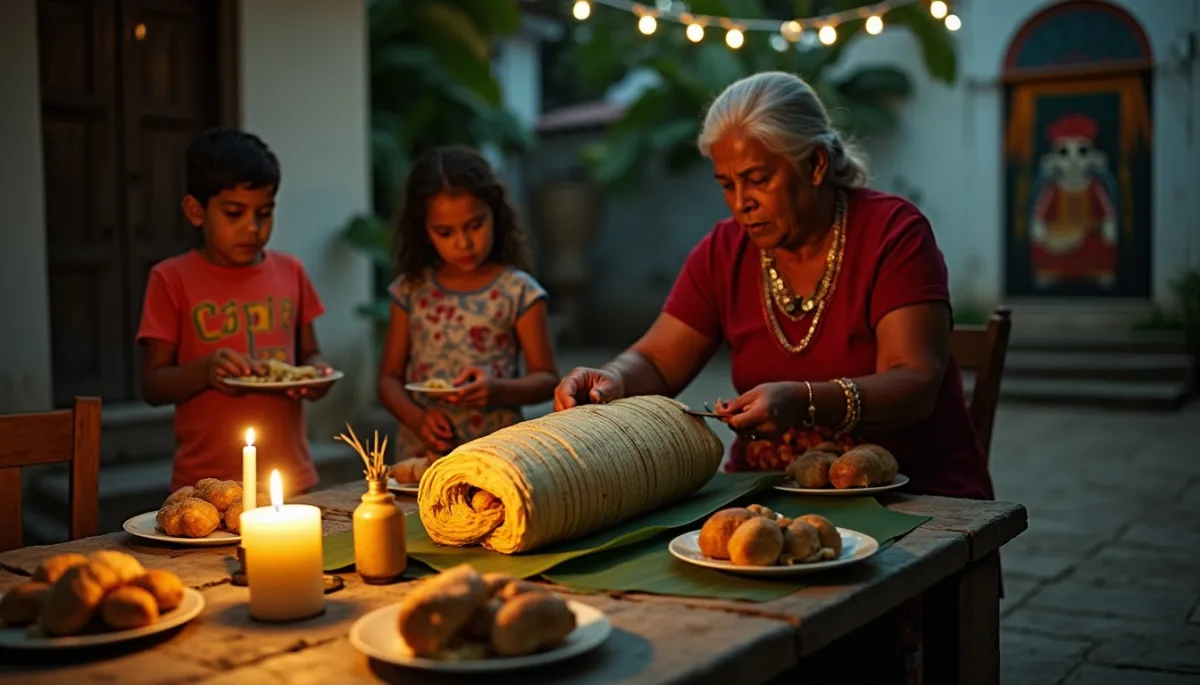
The relationship between the Maya and stingless bees goes back millennia. Archaeological evidence, iconography and colonial chronicles show that honey from native bees was used in ritual, as an offering, and as a remedy for coughs, wounds and digestive problems. Cities like Chichén Itzá and coastal settlements had spiritual and practical ties to beekeeping.
Maya healers prized Melipona honey not only for its sweetness but for its sacred status. It appears in traditional rites, where its purity and floral memory connect people to the local landscape, cenotes and sacred groves. That cultural layer is as important as the honey's chemistry when you appreciate its value.
What is Melipona honey and how it's produced
Melipona refers to stingless bees of the tribe Meliponini, not a single species. In the Yucatán and nearby regions, native stingless bees nest in hollow logs, tree cavities and sometimes masonry. Melipona honey is harvested from these colonies, often in small quantities, which explains its artisanal price.
Unlike European honeybees, stingless bees store honey in small pots made of cerumen, a mix of beeswax and plant resins. The honey is more liquid, with higher moisture content and a complex profile of organic compounds that reflect local flowers such as tajonal, chicozapote and wild citrus.
Traditional uses and modern science
Local healers have used Melipona honey for wound care, sore throats, digestive complaints and as a general tonic. Contemporary research is interested in its antimicrobial, antioxidant and anti-inflammatory potential. Laboratory tests suggest stingless bee honey can inhibit certain bacteria and support tissue repair, but research is ongoing.
Be cautious with sweeping claims. While lab results are promising, clinical trials in humans are limited. Use Melipona honey as a complementary remedy and consult a healthcare professional for serious conditions. Its cultural and therapeutic uses can coexist with modern medicine when handled responsibly.
How to use Melipona honey today
Culinary use: a spoon of Melipona honey can elevate yogurt, tropical fruit or traditional drinks like pozol and atole. Its thin texture makes it ideal as a finishing drizzle rather than a baking ingredient. Taste it slowly, and you will notice forest, resin and citrus notes unique to the collection site.
Topical use: traditionally applied to minor cuts and skin irritations, Melipona honey can complement wound care because of its viscous, protective layer. Clean the area first, patch-test for allergies and avoid using it as a substitute for professional medical treatment on deep wounds or infections.
Where to find authentic Melipona honey
If you visit the Yucatán, look for honey sold directly by meliponaries and cooperatives around Mérida, Valladolid and Tulum. Farmers markets such as the Lucas de Gálvez in Mérida or stalls near Valladolid often host small producers. Ask about the hive origin and whether the honey is raw and unblended.
Certificates of origin are rare, but a trustworthy vendor will let you visit the meliponary or show how hives are managed. Avoid suspiciously cheap jars from unknown sources. Genuine Melipona honey is produced in smaller quantities and its price reflects that scarcity and the care involved.
Meliponiculture and conservation
Keeping stingless bees is a traditional practice revived by local initiatives to protect biodiversity and cultural knowledge. Meliponiculture supports native pollinators and provides income to communities. Projects around the Sian Ka'an biosphere and rural Yucatán combine training, habitat restoration and craft honey marketing.
When you buy, prefer producers who maintain wildflower corridors, avoid pesticides and use sustainable harvesting methods. Supporting these practices helps preserve both the bees and the landscapes that produce the unique floral signatures of the honey.
Precautions and how to avoid fakes
Allergic reactions to any honey are possible, especially for people with bee allergies. Do not give honey to infants under 12 months. Because Melipona honey is more liquid, it is sometimes blended with cheaper syrups; look for artisanal labels, ask about viscosity and smell the jar. Genuine product smells complex, not overly sweet like corn syrup.
Buy from trusted local producers, request a short story about the hive and the harvest season, and when possible, taste before buying. Your palate and a conversation with the beekeeper are often the best ways to separate real tradition from marketing.
Thanks for reading, and don't forget, Enjoy Life Moments!