Pure freediving: why the cenotes became the freediving mecca
🚀 Key Takeaways
- Key concept : The cenotes offer crystal clear, thermally stable water and vertical profiles that suit all freediving disciplines.
- Practical tip : Plan for the dry season, book early morning sessions and dive with an experienced freediving center.
- Did you know : Cenotes are freshwater sinks connected to a fragile aquifer, and they carry deep cultural meaning for local Maya communities.
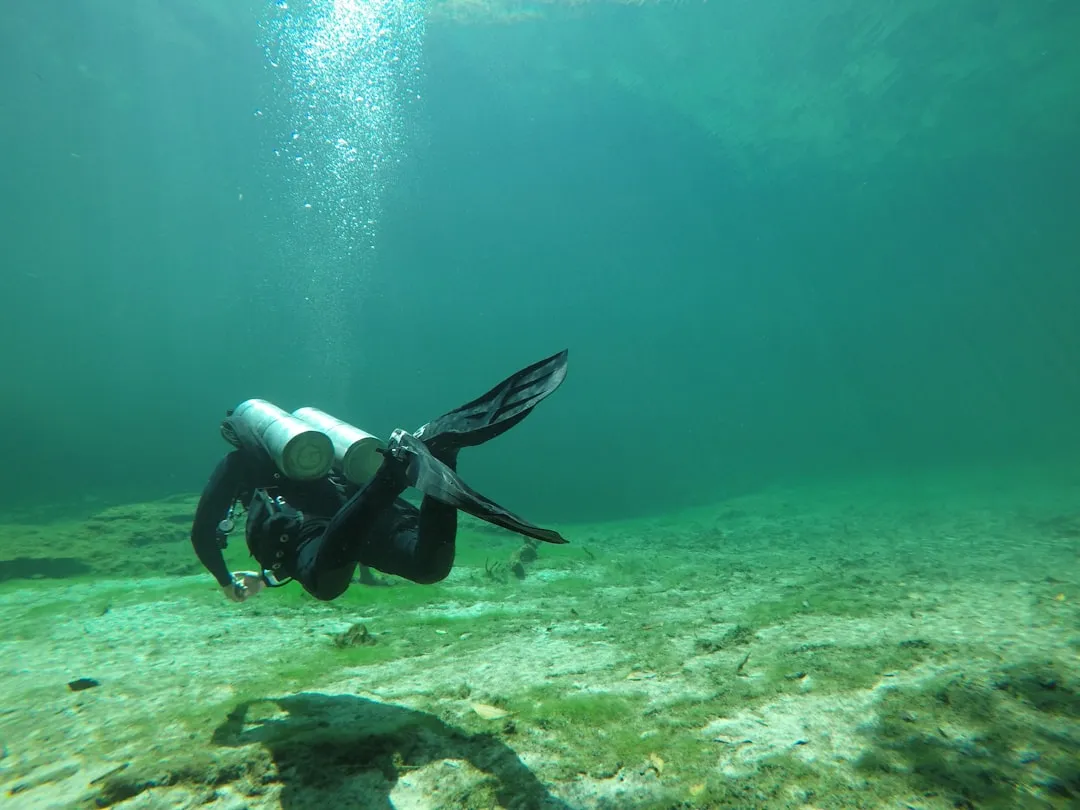
The appeal is immediate: water so clear you can see your exhale fade into a halo of bubbles, and walls that fall away into blue. For elite athletes and curious beginners alike, these conditions create a rare combination of safety, predictability and visual beauty.
Since the early 2020s the Riviera Maya has drawn the freediving community more than ever, thanks to improved access, a growing network of trained instructors and a stronger emphasis on conservation. The result is a place where records are attempted, techniques refined and respect for the environment is taught as a core principle.
What makes cenotes ideal for freediving
Cenotes are sinkholes in the limestone that expose groundwater, creating vertical shafts and cavern passages. This geometry lets freedivers practice deep, straight descents with minimal current, and the water temperature is usually warmer than open ocean thermoclines, which helps conserve oxygen.
Visibility is another major factor. With clarity often exceeding 30 meters, divers can maintain orientation and focus on technique rather than fighting particulate matter. Together these features make cenotes excellent for both static and depth training.
Safety and training you can trust
Freediving here is best done with certified instructors who teach proper equalization, buddy procedures and rescue skills. Look for operators affiliated with recognized agencies like AIDA or SSI, and verify that they run regular surface support and emergency protocols.
Never dive alone, respect no-decompression limits even though freediving is apnea based, and choose sites that match your experience. Local operators in 2026 increasingly require proof of training for deeper sessions, which raises overall safety standards.
Top cenotes to consider in the Riviera Maya
Gran Cenote and Dos Ojos remain favourites for their accessibility and large flooded caverns, ideal for progressive depth training. Angelita offers a dramatic halocline and a surreal landscape, popular with experienced freedivers looking for a unique environment.
Smaller sites like Calavera or Casa Cenote provide sheltered conditions for skills work and shallow practice. Ask your operator about seasonal closures, access rules and where to stage early morning dives to avoid crowds.
Cultural context and conservation
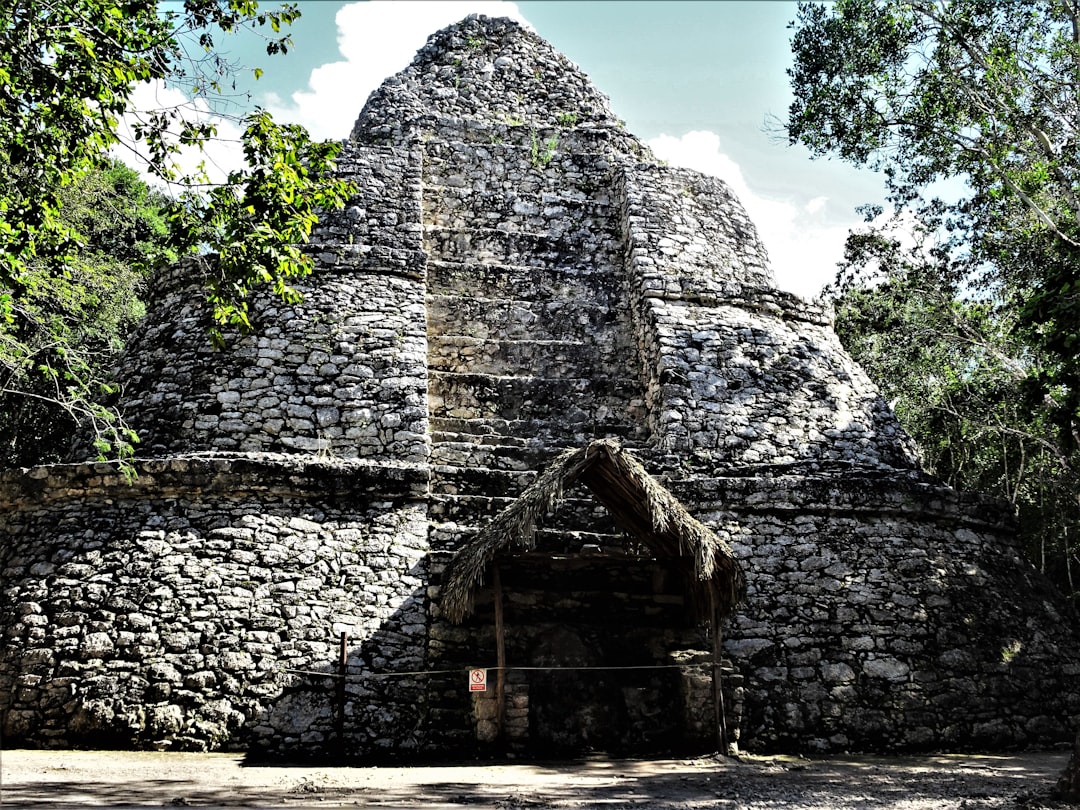
Cenotes are not just training venues, they are part of the Yucatec Maya heritage. Locals consider some cenotes sacred, and community groups increasingly manage access and conservation efforts. Respect local customs and follow guidance about offerings, photography and interaction with ceremonial sites.
Environmental best practices matter: skip sunscreen, use biodegradable products when required, and avoid stirring sediment. Many freediving centers contribute to water quality monitoring and cleanup initiatives, and participating helps preserve the resource for future divers.
Practical tips for your trip in 2026
Travel light but smart. Bring a thin wetsuit for early mornings, a reliable mask and your own nose clip if you use one. Book with operators that provide boats, surface support and oxygen kits, and confirm insurance coverage that includes aquatic rescue.
Timing matters: November to April is generally drier and less windy, which means calmer surfaces and more predictable visibility. Also, consider a gradual acclimation plan over several days to adapt your breath-hold and equalization to the unique environment.
Thanks for reading, and don't forget, Enjoy Life Moments!