Silent jungle retreats: the ultimate cure for city burnout
🚀 Key Takeaways
- Key concept : Silent, nature-immersive retreats reduce sensory overload and reset stress responses.
- Practical tip : Choose retreats with guided arrival routines and graduated silence to ease the transition.
- Did you know : Jungle acoustics, like distant birds and running water, aid deep relaxation and sleep quality.
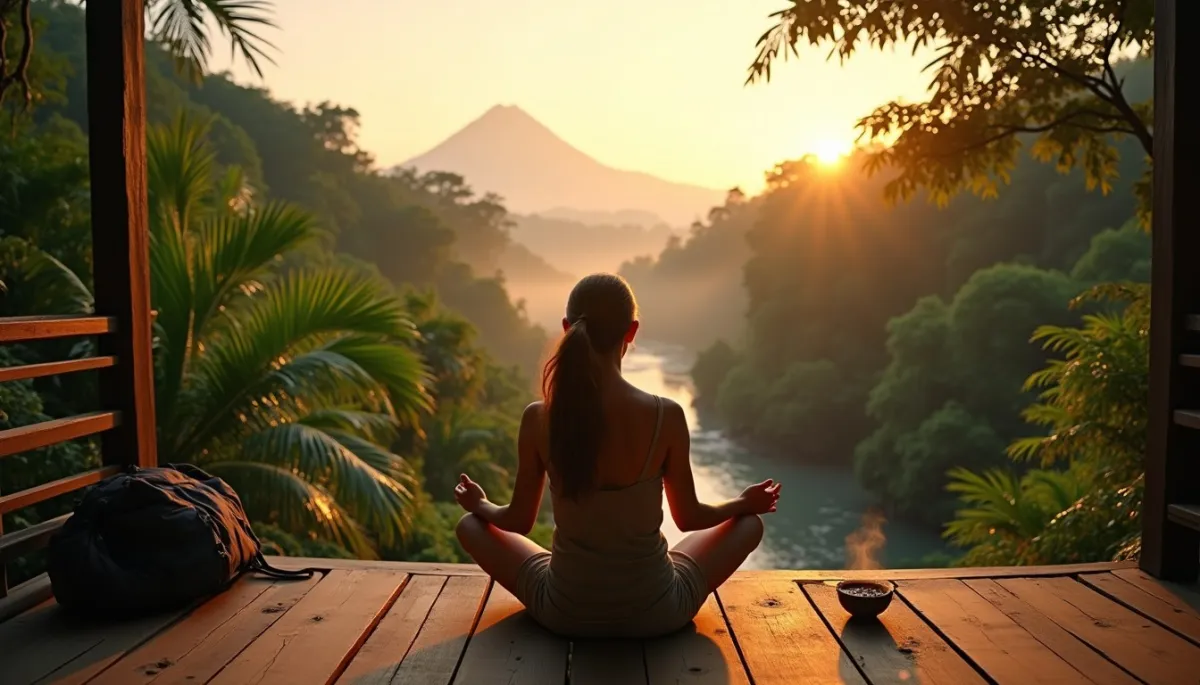
More urban professionals are turning to immersive silence, not as isolation, but as therapy that unplugs the nervous system. The jungle, with its layered sounds and humid green, creates an envelope where the mind can shed city habits and breathe differently.
This article guides you through why the jungle works, what a typical retreat looks like, how to choose one that fits your needs, and practical steps to prepare for re-entry into city life. I write as someone who has walked forest trails at dawn and advised travellers seeking meaningful rest.
Why a jungle retreat works
Jungle environments combine sensory richness with a rhythm that is neither frantic nor flat. Instead of the constant ping of notifications, you receive a slow, layered soundtrack: insects at dusk, a distant stream, birds that signal dawn. That auditory texture supports a shift from fight or flight to rest and digest.
Second, the physical setting promotes simple routines. Meals are fewer and more intentional, movement is natural rather than scheduled, and sunlight regulates sleep hormones. These elements together downregulate chronic stress, often faster than urban vacations can.
What to expect during a silent retreat
Retreat programs vary, but several elements repeat: an orientation, created boundaries for silence, meditative practices, guided nature walks, and periods for personal reflection. Silence does not mean absence of guidance, it often comes with structured support to help you integrate each day.
You should expect discomfort at first. The mind fills silence with thoughts. That is normal, and facilitators teach techniques to observe without reacting. Meals are simple, often plant-forward, and sleeping conditions may be rustic. This is part of the rewiring.
How to choose the right retreat
Look for transparency about daily schedules, facilitator credentials, safety protocols, and group size. Smaller groups mean quieter transitions. Ask whether the retreat offers a gradual approach to silence for first-timers, and check medical considerations if you have health issues.
Location matters. A retreat near a river or with varied trails gives options for short nature immersion without forcing you into extreme conditions. Read recent guest reports for practical details like insect management, food quality, and how facilitators handle emotional crises.
Practical tips before you go
Prepare mentally and logistically. Reduce screen time a week before departure, inform colleagues that you will be unreachable, and pack for humidity: quick-dry clothes, a lightweight rain jacket, quality insect repellent, and comfortable walking shoes. Bring a small notebook for reflections if the retreat allows writing.
Set an intention rather than an agenda. A clear intention helps prevent frustration when progress feels slow. Plan a buffer day after the retreat before returning to major meetings. Integrating silence is a process, not a one-off fix.
After the retreat: integrating the experience
Returning to an urban schedule is the hardest part. Keep simple practices from the retreat, such as short morning breathing sessions, daily nature breaks, or a digital curfew. These sustainable habits extend the benefits without requiring constant isolation.
Share insights selectively with friends or colleagues, and consider periodic short retreats or weekend nature stays to refresh the reset. Over time, these small commitments protect against relapse into burnout.
Thanks for reading, and don't forget, Enjoy Life Moments!