Mayan heritage: what still remains today
🚀 Key Takeaways
- Key concept : Mayan heritage survives as architecture, community life and environmental knowledge.
- Practical tip : Visit early morning to feel the sites in peace and hire a local guide from a Maya community.
- Did you know : Many cenotes were sacred to the Maya and remain central to rituals and water management today.
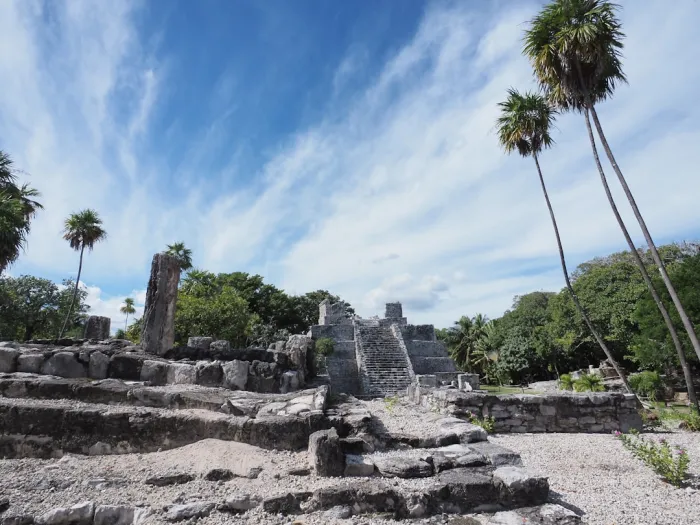
The Riviera Maya is often presented as beaches and resorts, yet beneath the tourist surface a deep Mayan imprint remains. From Tulum's sea-facing walls to lesser-known inland sites, the archaeology is visible and accessible.
Beyond ruins, Mayan culture endures in living communities, language, cuisine and practices tied to land and water. Understanding this continuity changes how you experience the region.
archaeological sites that still stand
Stone cities like Tulum, Coba and Ek Balam are the most immediate reminders of a sophisticated urban world. Each site offers a different view: coastal Tulum, forested Coba with its climbable pyramid, and Ek Balam with well-preserved sculptures.
Archaeology here is both restored and fragile, conservation ongoing. Visiting respectful hours and choosing licensed guides helps fund preservation and avoids contributing to wear on the monuments.
living Maya communities
The Maya are not only a chapter in a guidebook, they are neighbors, artisans, farmers and keepers of tradition. Towns and villages around the Riviera Maya host markets, handicraft workshops and seasonal ceremonies that connect past and present.
Engaging with local communities means listening and supporting locally run projects. Look for cooperatives, community-based tours and vendors who explain the story behind their crafts and food.
language, ritual and intangible heritage
Yucatec Maya and other Mayan languages remain in daily use, in oral histories and in place names. Ritual calendars, music and medicinal plant knowledge also persist, transmitted within families and through communal events.
Some traditions have blended with Catholic practices, creating unique syncretic rituals. Observing with respect and asking permission before photographing ceremonies is essential.
cenotes, landscape and sacred water
Cenotes are geological and cultural linchpins of Mayan life, once considered doorways to the underworld. Today they are scenic highlights, but they also require careful stewardship to protect water quality and sacred meanings.
Choose eco-friendly cenote operators who limit visitor numbers and explain the cultural importance. Swimming in a cenote can be a moving experience when you understand its heritage.
conservation, tourism and responsible visiting
Tourism brings income and pressure, making responsible practices crucial. Support conservation efforts, prefer small businesses and avoid sites during peak crowding to reduce impact.
Simple actions have weight: use local guides, avoid buying illicit antiquities, and respect community rules. These choices help keep Mayan heritage vibrant for future generations.
Thanks for reading, and don't forget, Enjoy Life Moments!