Can you live year-round in the Riviera Maya without air conditioning?
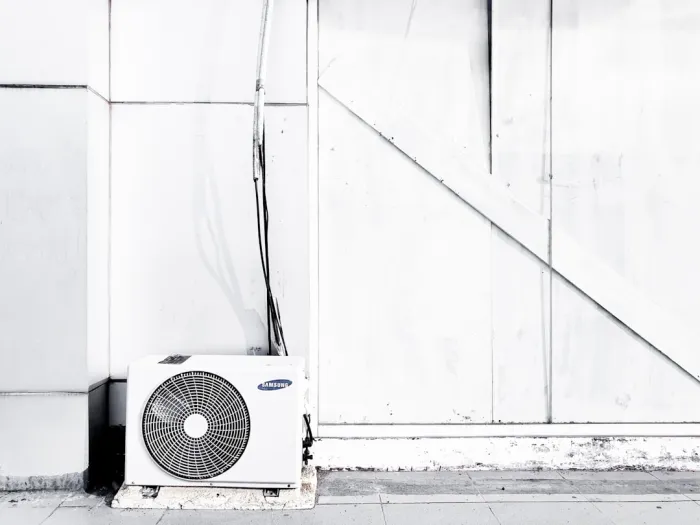
The Riviera Maya's tropical climate, with hot and humid seasons, makes air conditioning feel essential to many visitors and expats. Yet a growing number of residents choose low-energy living by relying on passive cooling, architectural design, and lifestyle changes.
This article walks you through climate realities, home design strategies, health and cost implications, and a practical checklist to help you decide whether going AC-free is realistic for your situation.
Understanding the climate: heat, humidity and seasons
The Riviera Maya has a warm climate year-round, with average highs from the high 20s to mid-30s Celsius (80s–90s °F). Humidity is the main challenge: relative humidity often stays above 70%, making temperatures feel hotter and sleep harder without cooling or airflow.
Rainy season and the Atlantic hurricane season (June to November) add heat and moisture. Nights are more comfortable in the dry season, but heatwaves and humidity spikes can still make living without AC uncomfortable or even risky for vulnerable people.
For reliable regional info, consult local travel resources like TripAdvisor's Mexico pages and climate guides by National Geographic.
Microclimates matter: coastal breezes cool some beachfront properties, while inland jungle or low-ventilation condos can trap heat and humidity all day.
Homes and design that make AC optional
Traditional and well-designed modern homes in the region use passive cooling: high ceilings, thick walls with thermal mass, shaded courtyards, deep eaves, cross-ventilation windows and strategically placed vents. These features reduce indoor temperature without energy use.
Materials matter: concrete and stone absorb heat differently than wood, and reflective roof coatings or green roofs can cut heat gain. Simple architectural elements like shaded verandas and pergolas extend outdoor living and lower indoor heat loads.
Orientation and landscaping help: planting trees for shade, using permeable ground coverings, and keeping windows shaded during midday sun all reduce the need for mechanical cooling. Consider homes with open-air living areas that allow constant airflow.
If you plan to rent or buy, inspect the property for airflow at different times of day and ask locals about seasonal comfort before assuming AC is unnecessary.
Everyday strategies to stay cool without AC
Fans are your first-line defense: ceiling fans, whole-house fans, and well-placed oscillating units can maintain comfortable air movement and make temperatures feel 4–6°C (7–10°F) cooler. Combining fans with nighttime window openings takes advantage of cooler evening breezes.
Clothing and routines adapt too: breathable natural fabrics, light bedding, late-afternoon nap patterns, early-morning activities and siestas during peak heat reduce exposure. Hydration and diet (lighter meals, cooling fruits) also help the body regulate temperature.
Dehumidification is often more important than cooling. A small dehumidifier in closed rooms controls mold and improves perceived comfort, although it consumes electricity. Mosquito screens, ceiling fans, and strategic ventilation reduce the need to keep doors closed and run AC all day.
Solar-powered fans and small photovoltaic setups can offset energy use for ventilation, making an AC-free lifestyle more sustainable and affordable.
Health, safety and practical limits
For most healthy adults, living without AC is possible with the right housing and habits. However, infants, elderly people, pregnant women and those with cardiovascular or respiratory conditions may require reliable cooling during heatwaves for safety.
High humidity fosters mold and dust mites; regular cleaning, good ventilation, and moisture control are essential to prevent respiratory issues. In hurricane season, power outages and storm damage can force temporary use of AC in safe shelters or hotels with power.
Consider hybrid approaches: use AC selectively at night or during extreme heat, while relying on passive methods most of the time. This reduces bills and environmental impact while protecting vulnerable inhabitants.
Evaluate local healthcare access and emergency plans if you decide to live without continuous air conditioning, especially in remote areas.
Costs, convenience and lifestyle trade-offs
Electricity costs in Mexico vary by state, tariff and usage. Running central AC 24/7 drives bills up quickly; using fans, shaded design and occasional AC for high-risk periods lowers monthly costs substantially. For many residents, the AC-free lifestyle is a financial choice as much as a comfort one.
Consider resale and rental markets: properties marketed as eco-friendly or with passive cooling are growing in popularity, but many buyers still expect AC in bedrooms and living rooms. If you plan to rent short-term, traveler expectations often include AC, especially near beaches and tourist hubs.
Weigh convenience against authenticity: living without AC can deepen your connection to the climate and local rhythms, but it requires discipline, home modifications and accepting occasional discomfort.
If you need data on local electricity or housing norms, local government sites and energy providers provide up-to-date rates and incentives for solar or efficiency upgrades.
Practical checklist: can you do it? Steps to try
Start with the home: assess ventilation, add ceiling fans, shade windows with shutters or awnings, and increase insulation or reflective roofing where practical. Test comfort for several weeks across seasons before committing to a strictly AC-free life.
Adopt daily habits: close windows during the hottest hours, open them at dusk, use light bedding and breathable clothing, and create shaded outdoor living zones. Invest in mosquito screens and a small dehumidifier if humidity is causing mold.
Plan for extremes: have an AC-capable room or backup plan for heatwaves, and know where to go during storms or extended outages. If possible, invest in solar or battery backups to power fans and essential devices sustainably.
Talk to locals, property managers and long-term expats in the region to learn which neighborhoods and building types are most comfortable without AC.
Where it works best and where it doesn’t
Coastal properties with steady sea breezes, shaded beach communities, and homes with open designs or courtyards offer the best chances of comfortable AC-free living. Small towns and traditional houses often incorporate passive cooling strategies better than newer glass-and-concrete condos.
High-density developments, poorly ventilated apartments, and inland jungle areas with stagnant air are the hardest places to live without AC. Tourist-hotspots with many modern condos may require AC for comfortable short-term rental stays.
Test neighborhoods in different seasons, and prioritize properties that demonstrate natural airflow and thermal design. Local forums and guides can point to neighborhoods with proven comfort records.
Ultimately, many residents adopt a mixed approach: mostly AC-free living with targeted mechanical cooling when and where it matters most.
Thanks for reading, and don't forget, Enjoy Life Moments!