Did the Maya Have Advanced Astronomy?
Across the Riviera Maya and the Yucatán, stone buildings, carved stelae and surviving codices hold clues to a sophisticated tradition of sky watching. Archaeologists and astronomers now read these clues in light of precise alignments, astronomical tables and observational architecture.
This article reviews the evidence: observatories like El Caracol, calendar cycles and codices that record Venus and eclipses, and modern tools such as LiDAR that have clarified ancient sightlines. For broader context on Mexico's archaeological landscape see National Geographic: Mexico.
Observatories and Astronomical Architecture
Structures like El Caracol at Chichén Itzá served as more than monuments: their curious windows and rounded towers align with celestial events. Sightlines point to solstices, equinoxes and the risings of important stars, allowing trained observers to track seasonal change.
Across the region, plazas and pyramids were sited to capture solar phenomena such as the shadow serpent at El Castillo, a dramatic demonstration of intentional alignment. These architectural choices functioned as open-air instruments for royal astronomers and ritual specialists.
Calendars, Codices and Star Knowledge
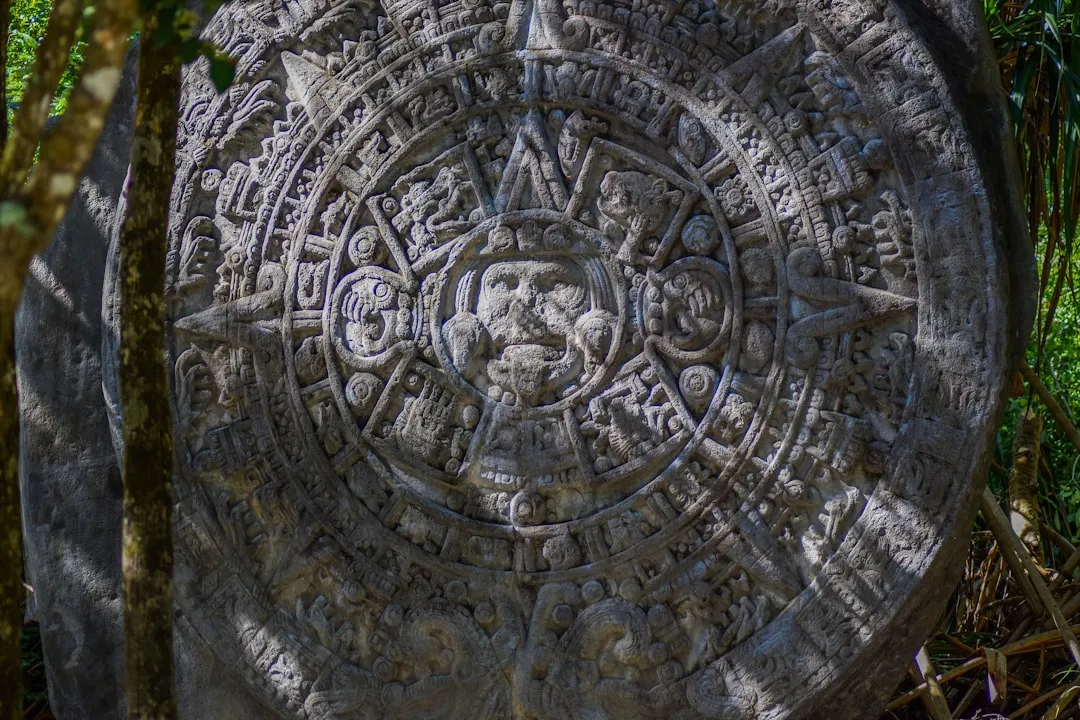
The Maya developed interlocking calendars—the Long Count, Tzolk'in and Haab—that required precise astronomical observations. The Dresden Codex, one of the few surviving manuscripts, contains detailed Venus tables and eclipse predictions that show systematic record-keeping and forecasting.
Such records demonstrate not only observational skill but mathematical sophistication: the Maya produced accurate intervals and could predict cycles essential for agriculture and ritual practice. For a concise scholarly overview, see Maya astronomy (Wikipedia).
Archaeoastronomy Evidence: Alignments and Records
Fieldwork and archaeoastronomical surveys have confirmed that many Maya sites were intentionally oriented to mark solar and lunar events. At Chichén Itzá the equinox-shadow phenomenon and at Uxmal and other sites alignments with Venus and sunrise points reinforce a pattern of celestial planning.
Recent studies combine archaeological mapping with planetarium software to simulate ancient skies, revealing how stelae and temples served as observational frames. These interdisciplinary approaches—combining archaeology, astronomy and anthropology—give weight to claims of advanced observational practice.
Modern Research and the Living Legacy
Technologies like LiDAR and remote sensing have exposed hidden structures and sightlines across the jungle, expanding the data set for archaeoastronomers and historians. Since the 2010s, this work has transformed our understanding of regional planning and the intentional placement of ceremonial centers.
Beyond academic debate, Maya celestial knowledge continues to influence modern communities and tourism across the Riviera Maya. Visitors can now experience sites with updated interpretation while scholars refine timelines and techniques that show the Maya were, in many ways, advanced sky watchers whose practices linked science, ritual and power.
Thanks for reading, and don't forget, Enjoy Life Moments!