Mayan astronomy: how ancient cities read the future in the stars
🚀 Key Takeaways
- Core concept : The Maya combined direct sky observations, precise architecture and cyclical calendars to predict celestial events and schedule rituals.
- Practical tip : Visit Chichén Itzá or Dzibilchaltún at sunrise for the best light to observe alignments, and hire a local guide to explain the astronomical significance.
- Did you know : The Dresden codex contains a detailed Venus table that the Maya used to track the planet's cycle and anticipate events linked to warfare and ceremony.
The word astronomy does not do justice to the Maya practice, it was a living art that mixed science, ritual and daily life. Priests, architects and rulers read patterns of light and shadow to make decisions about planting, war and ceremonial dates.
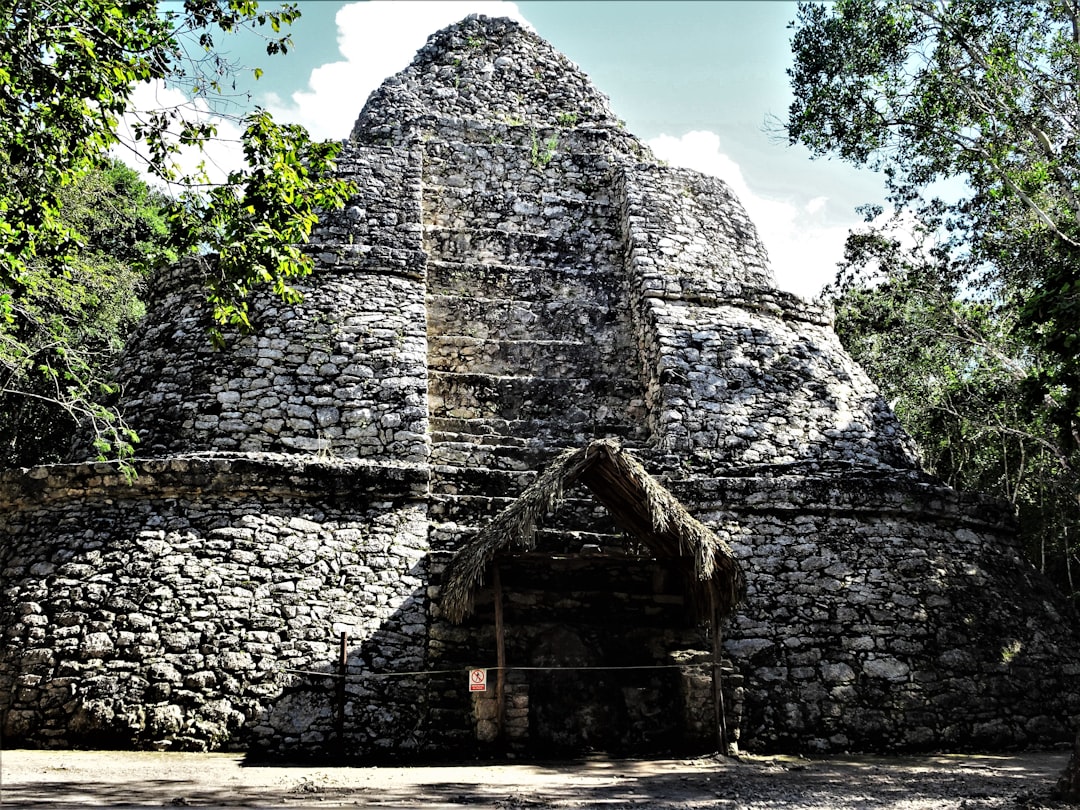
Archaeoastronomy today helps us reconstruct those practices. When you stand before El Caracol at Chichén Itzá or the temple of the Seven Dolls at Dzibilchaltún, you are seeing an ancient observatory and a public message carved in stone.
How the Maya observed the sky
The Maya used several complementary methods. They watched the rising and setting points of the Sun, Moon and planets along the horizon, timed the length of shadows cast by pillars or stelae, and recorded repeatable cycles in codices and inscriptions. Observations were often made from purpose-built structures with narrow windows or aligned corridors, creating sightlines to important horizon markers.
Venus was especially important. The Dresden codex includes a Venus table tracking the 584-day synodic cycle. Maya astronomer-priests used that table to predict when Venus would appear as morning or evening star, because those appearances were tied to propitious or perilous times for political action.
Architecture as a sky map
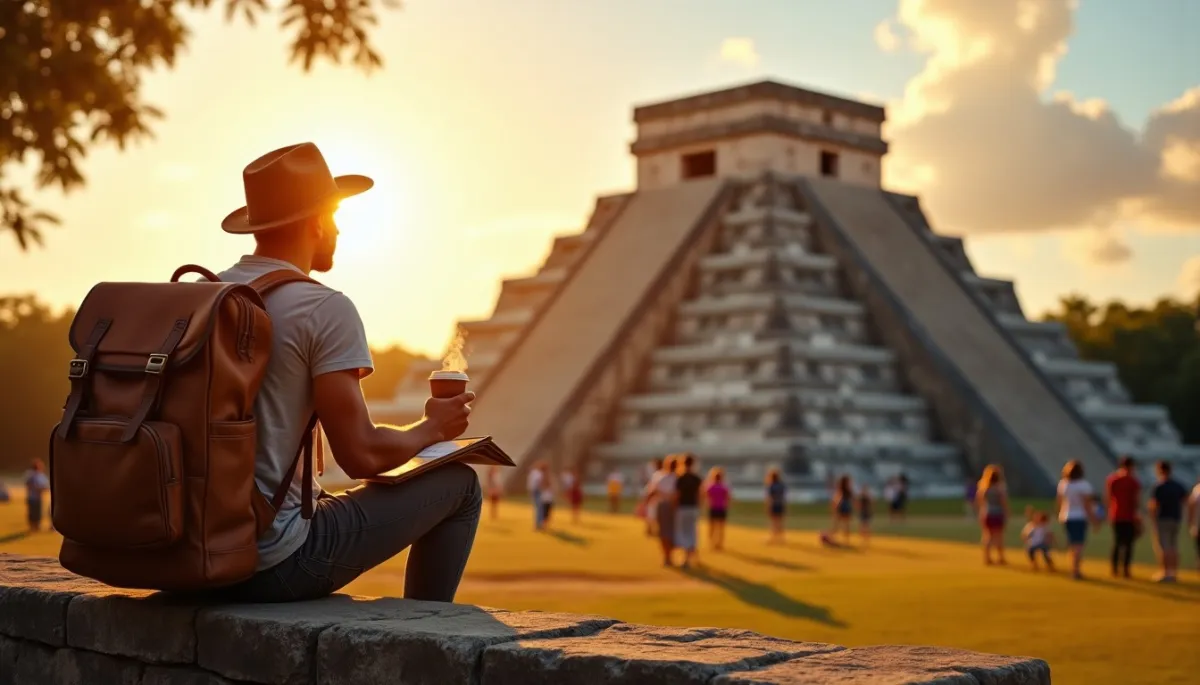
Many Maya buildings are astronomical instruments in stone. El Caracol, the round tower at Chichén Itzá, has angled windows that line up with key positions of Venus and with solstitial and equinoctial sunrises. The stairway and facets of El Castillo, the pyramid of Kukulcán, create the famous serpent-shadow illusion at equinox, a choreography of light and relief.
Dzibilchaltún’s Temple of the Seven Dolls frames the sun at equinox, creating a precise sunrise marker used to regulate the agricultural calendar. Even plazas and causeways were designed with sightlines that connect sacred buildings and seasonal sun positions, so processions and rituals moved in sync with the sky.
Calendars, prophecy and social life
The Maya had several interlocking calendars. The Tzolk'in, a 260-day ritual cycle, and the Haab', a 365-day civil year, combined with the Long Count to mark long intervals. This system let priests convert repeated sky events into dates meaningful for ceremonies, births, accession to power and land management.
Predicting eclipses, seasonal changes and Venus cycles furnished rulers with political capital. Announcing a celestial omen or timing a ceremony to a rare alignment reinforced authority. The codices, notably Dresden, and inscriptions carved on stelae record how celestial knowledge underpinned decisions both practical and symbolic.
From stones to the present, visiting the sites
When you visit, keep a curious but respectful eye. Arrive early to avoid crowds and heat, and to see how light sculpts reliefs and windows. At Chichén Itzá, the equinox crowd is a spectacle, but a sunrise visit at Dzibilchaltún offers quieter, more revealing alignments.
Hire a local guide who can point out less obvious features, like subtle sightlines or scarred stones used as observation posts. Bring water, sun protection and a camera with a wide lens. Above all, remember these places are living heritage, and following site rules preserves their astronomical stories for the future.
Thanks for reading, and don't forget, Enjoy Life Moments!