The secrets of pulque: the fermented drink of pre-Hispanic gods
🚀 Key Takeaways
- Core concept : Pulque is a low-alcohol fermented sap (aguamiel) from certain agave species, used since pre-Hispanic times.
- Practical tip : Try fresh pulque (not pasteurized) and ask for a "curado" flavored with fruit in Hidalgo or Mexico City.
- Did you know : Pulque was sacred to the goddess Mayahuel and linked to the Centzon Totochtin, the 400 rabbit gods of intoxication.
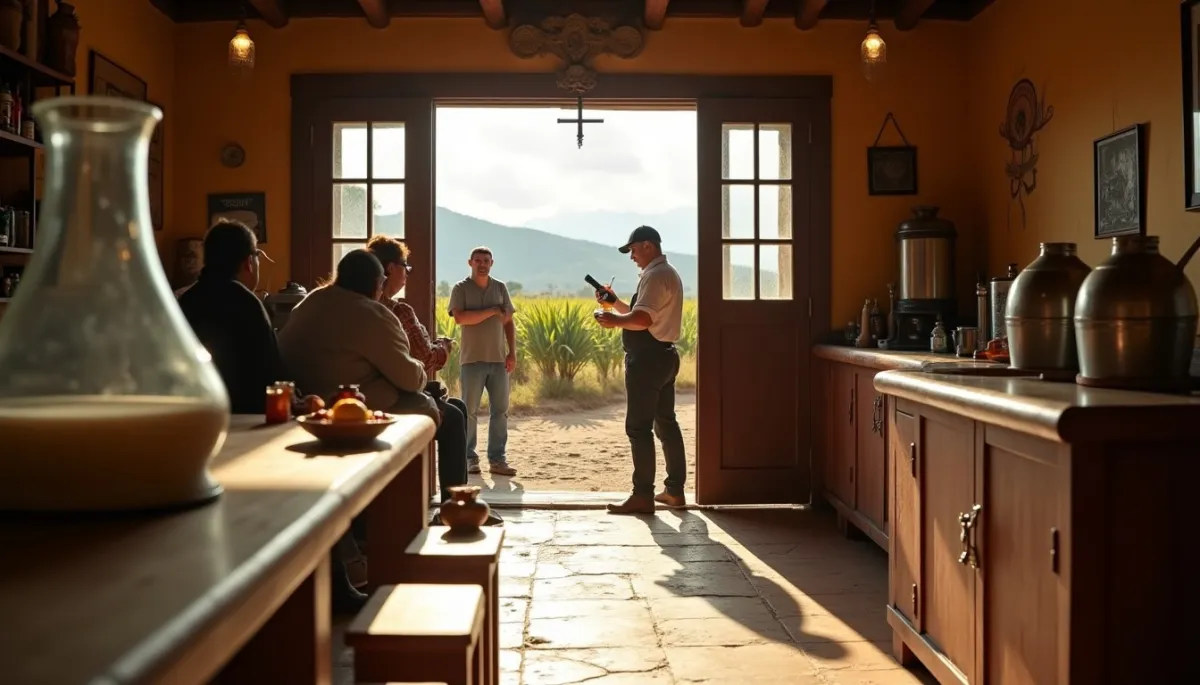
Pulque smells of earth and rain. Imagine an evening in a simple pulquería, wooden benches, a glass clouded with white, laughter of neighbors and the soft rhythm of Spanish and Náhuatl interlaced.
Nectar des dieux
Pulque is ancient. Spanish chroniclers of the 16th century, notably Bernardino de Sahagún in the Florentine Codex, described its sacred role among the Mexica. Archaeological and pictorial sources, like the codices, show offerings and rituals where pulque is central.
In pre-Hispanic cosmology, the agave plant and its sap (aguamiel) were connected to Mayahuel, the goddess of maguey. The Centzon Totochtin, a group of rabbit gods, personified the many moods of intoxication. Pulque was used in ceremonies, but also regulated: some chronicles note age and status restrictions for its consumption.
Through the colonial period and into the 19th century, pulque remained ubiquitous in central Mexico. Authorities taxed production, and pulquerías became social hubs. By the late 1800s they were places of conversation, political debate and popular culture, visible in period literature and photography.
Pourquoi pulque
The drink itself is simple and surprising. Tlachiquero (sap gatherers) harvest aguamiel from mature agave plants, mainly Agave salmiana and similar species. They hollow the central core to collect the sap, often using a gourd-like tube called an acocote, then the fluid ferments naturally by native yeasts and bacteria.
Alcohol content usually ranges from about 2 to 6 percent, depending on time and conditions. Fresh pulque is slightly viscous, rich in lactic acid bacteria, and contains vitamins and amino acids. Scientists and nutritionists sometimes highlight its probiotic qualities (live cultures), though it is not a medical cure.
In practical terms, pulque is versatile. "Curados" are fruit or herb infused pulques, from pineapple to avocado, introduced to please different palates. In recent decades, chefs and mixologists have reimagined pulque in cocktails and gastronomy, bringing attention back to the drink.
Traditions vivantes
Despite its heritage, pulque faced severe decline in the 20th century. Industrial beer companies expanded, urban tastes changed, and some pulque producers moved away or switched crops. Production and consumption dropped markedly after the 1950s and 1960s.
From the 1990s onward a revival began. Artisanal producers in Hidalgo, Tlaxcala, Puebla and parts of Mexico City focused on quality and tradition. Festivals and small importers helped introduce pulque to a curious international audience. Pulquerías with modern or reclaimed aesthetics opened, bridging past and present.
Challenges remain: pulque is perishable and best consumed fresh, leading to logistical limits. There are also tensions between commercialization and community rights over land and traditional knowledge. However, renewed interest supports small rural economies and helps preserve biodiversity of agave varieties.
Conseils de dégustation
To taste pulque with respect, seek it in producing regions, notably towns in Hidalgo such as Actopan and other central valleys. Ask for fresh pulque and try a curado to begin. Drink it the same day it was drawn, keep portions small, and pair with simple antojitos (street snacks).
Learn a few words from local servers, like "¿Está fresco?" (Is it fresh?), and observe how it is served: traditional pulquerías pour from wide clay jars or stainless vats into glasses. Avoid pasteurized or long-shelved options if you want the true live microflora.
Pulque is not just a taste, it is a story. Sipping it, you share a liquid heritage that links fields, skilled tlachiquero, ritual memory and present-day rediscovery.
Thanks for reading, and don't forget, Enjoy Life Moments!