The IOC headquarters: how Lausanne became the world capital of sport
🚀 Key Takeaways
- Key concept : Lausanne hosts the International Olympic Committee since 1915, becoming the Olympic Capital.
- Practical tip : Visit the Olympic Museum in Ouchy and the Olympic House in Vidy, time your visit for Olympic Day on 23 June.
- Did you know : The Court of Arbitration for Sport (CAS) is also based in Lausanne, making the city a hub for sport law.
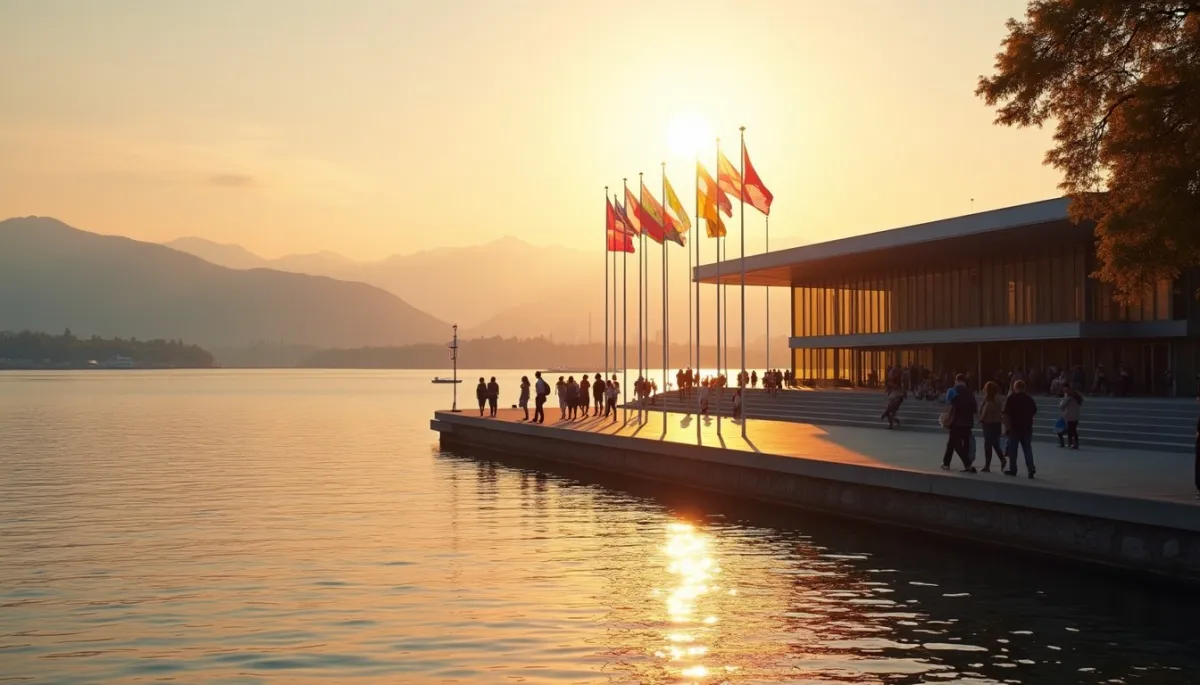
Sunlight on Lake Geneva, flags from every continent fluttering gently. Imagine standing on the Ouchy promenade, the Olympic rings reflected on the water.
Olympic shore
The IOC was founded in Paris on 23 June 1894 by Pierre de Coubertin, who dreamt of a revived international festival of sport. By 1915 the organisation had moved its seat to Lausanne, where Coubertin had settled and found an environment conducive to diplomacy and administration.
Lausanne's waterfront, its parks and its calm climate provided the symbolic stage the IOC needed. The city's scale made it easy for delegates, staff and visiting athletes to meet, think and plan.
Over the decades, the lakeside sites—Ouchy and Vidy—became natural addresses for sports institutions, museums and international federations, creating a compact ecosystem where work and culture meet.
Historical roots
The presence of the IOC attracted other organisations. The Court of Arbitration for Sport was established in 1984 and set up in Lausanne, providing legal arbitration specialised in sport. This reinforced the city's reputation as a centre of governance and dispute resolution.
In 1993 the Olympic Museum opened in Ouchy, offering visitors a narrative of the modern Games from 1896 onwards. The museum draws hundreds of thousands of visitors annually, curious to see medals, posters and personal stories of athletes.
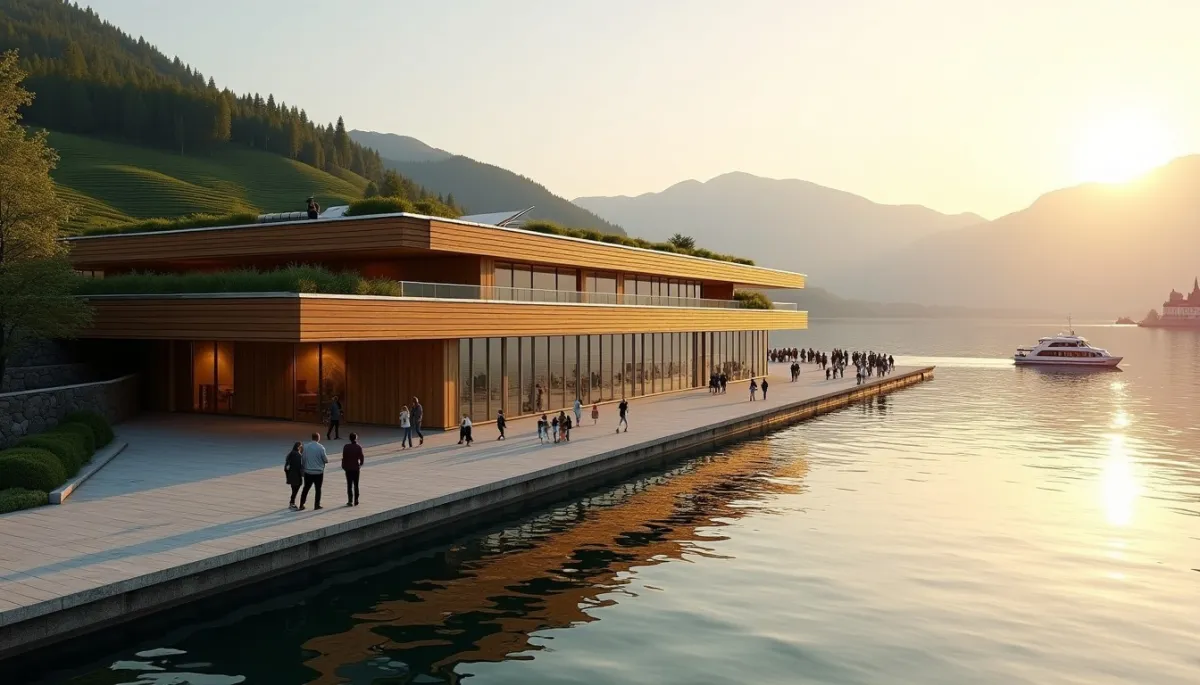
Fast forward to 2019, when the IOC moved into the new Olympic House in Vidy, a contemporary campus designed to host staff, meetings and international events. The building symbolises modern sport management, sustainability and global outreach.
Looking ahead
Today Lausanne is home to dozens of sports organisations, NGOs, start-ups and research centres. Universities and technical institutes nearby feed the sector with talent in sports science, management and technology.
Challenges remain: global sport is under pressure from political tensions, sustainability demands and commercialisation. Lausanne must balance its symbolic role with practical responses, such as promoting clean sport and digital innovation.
For visitors who want to feel the pulse of the Olympic world, practical advice is simple: take a guided tour of the Olympic Museum, walk from Ouchy to Vidy, and check calendars for conferences or exhibitions. Conversations with locals often reveal small stories, like an old secretary who remembers the arrival of Coubertin's papers in Geneva, or a volunteer who watched the Olympic flags arrive for a ceremony.
Lausanne did not become the Olympic Capital by accident, it accumulated history, institutions and people who chose the city as their working home. The result is a concentrated culture of sport, where decisions that ripple across the globe are often discussed over coffee by the lake.
Thanks for reading, and don't forget, Enjoy Life Moments!