Cold water swimming: why Lake Geneva winter bathers cracked the immunity code
🚀 Key Takeaways
- Core concept : Regular cold-water immersion appears to stimulate the sympathetic nervous system and modify inflammatory responses.
- Practical tip : Start gradually, never swim alone, warm up after immersion and consult a doctor if you have heart issues.
- Did you know : Scientists (Kox et al., 2014) showed trained practitioners can voluntarily raise adrenaline and blunt some inflammatory markers.
Pure, sharp, invigorating.
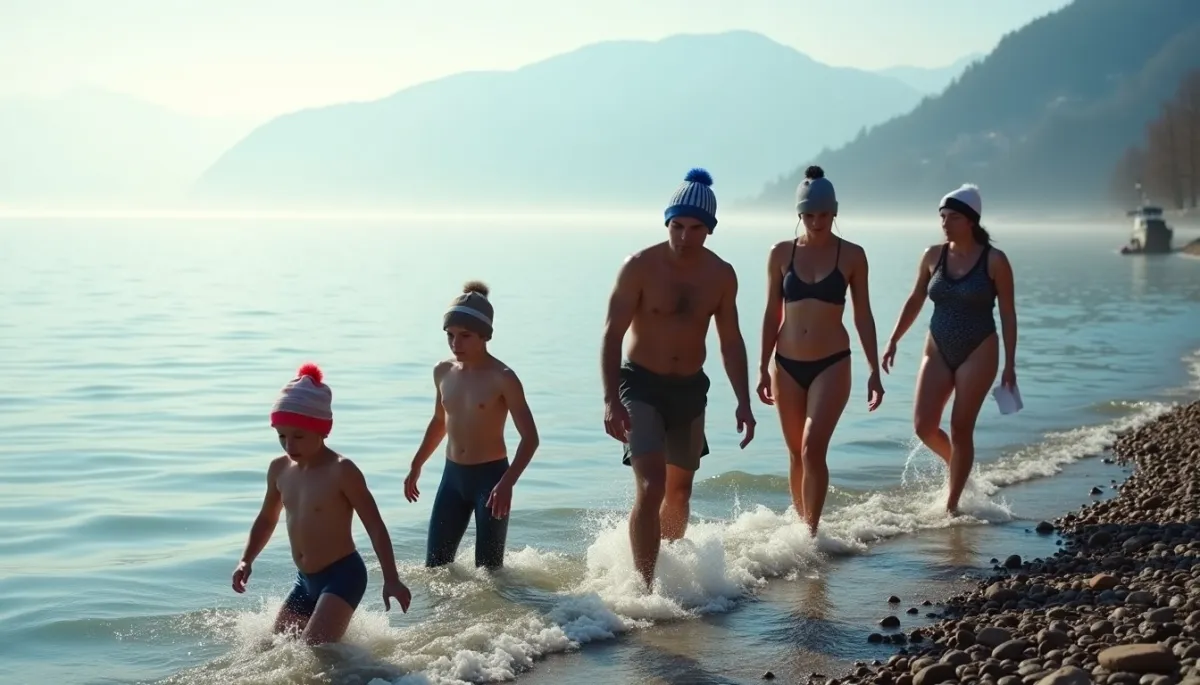
It is 7 a.m. on a January day in Montreux. Low sun slants across a thin mist above Lake Geneva, a small troupe of swimmers in wool hats walks down the concrete slope of a public beach, laughter muffled by the cold. They slip into water at 6 to 8°C, count to ten, then swim, talk and linger on the shore with steaming towels. The scene is both ritual and relief.
Au bord du Léman
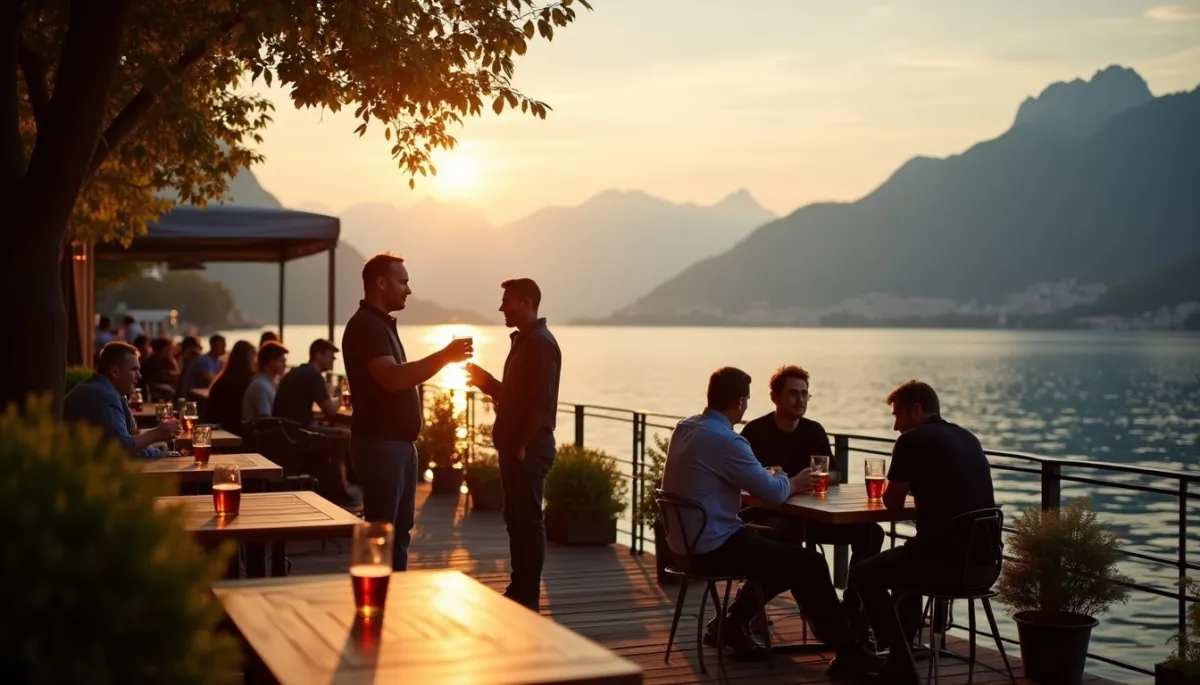
Across the Riviera suisse, winter swimming has become part of local life. From Geneva's Bains des Pâquis to the pebbled shores near Vevey and Rolle, groups gather at dawn, not for sport only, but for sociability and well-being.
What started as a handful of hardy individuals has grown into organized clubs and informal meetups. Locals report steadier energy, fewer colds, and a strengthened sense of community. The phenomenon is visible: more wetsuits and beanies on tram platforms, and cafés serving hot drinks to returning swimmers.
The consequence is tangible, beyond anecdote. Cold-water bathing attracts tourists curious about the so-called 'immunity secret', and the Riviera benefits from new winter visitors. Municipalities, in response, maintain access points and signage to accommodate safe practice.
Le secret scientifique
The biological explanation combines physiology and controlled stress. Immersion in cold water (commonly below 15°C, and 4–8°C in winter on the Léman) triggers a sympathetic response: heart rate rises, breathing speeds up, and the body releases catecholamines such as norepinephrine.
These hormones have two effects. Short term, they sharpen alertness and constrict peripheral vessels to preserve core temperature. More interesting for immunity, they also interact with the immune system. A landmark study in 2014 (Kox et al., Proceedings of the National Academy of Sciences) showed that trained practitioners could voluntarily increase adrenaline and dampen certain proinflammatory cytokines after an experimental challenge.
Complementary research finds transient rises in anti-inflammatory mediators (for example IL-10) and modulation of white blood cells after cold exposure. Scientists also point to cold-induced activation of brown adipose tissue and cold-shock proteins, cellular responses that may influence systemic resilience. In short, regular, controlled cold stress appears to train physiological responses that help manage inflammation.
Prudence et plaisir
Enthusiasm should be balanced with caution. Cold-water immersion is not a guaranteed shield against disease, and it carries risks, notably cold shock, hypothermia, and cardiac events in susceptible people. Sudden immersion can provoke a gasp reflex and arrhythmia.
Local swimmers and health professionals on the Riviera recommend a sensible approach: acclimatize gradually over weeks, limit single immersions to a few minutes at first, never swim alone, and have warm clothing and a hot drink ready. People with cardiovascular disease, uncontrolled hypertension, or certain respiratory disorders must consult their physician before attempting winter swimming.
Practical tips: avoid alcohol before and after, breathe calmly on entry to the water, use a neoprene cap or gloves if needed, and pick official access points with easy exits. In Switzerland, emergency medical number is 144; know the nearest lifeguard post in summer, and opt for group swims in winter.
Back on the shore of Montreux, Sophie, a 46-year-old nurse, sums it up: she started in 2019 to manage stress. "I don't know if it prevents every flu, but I sleep better and I feel more solid in my day-to-day life," she says. That blend of personal testimony and emerging science explains why winter bathing on the Léman is more than a fad: it is a living practice that mixes ritual, community and measurable physiological effects.
Thanks for reading, and don't forget, Enjoy Life Moments!