Nyon in Julius Caesar's time: tracing Colonia Iulia Equestris
🚀 Key Takeaways
- Core concept : Colonia Iulia Equestris, founded around 45 BCE for cavalry veterans.
- Practical tip : Start at the Roman Museum (Musée romain de Nyon) and continue to the lakeside archaeological trail.
- Did you know : Stones from Roman buildings were reused in medieval constructions like the Château de Nyon.
Step back two thousand years.
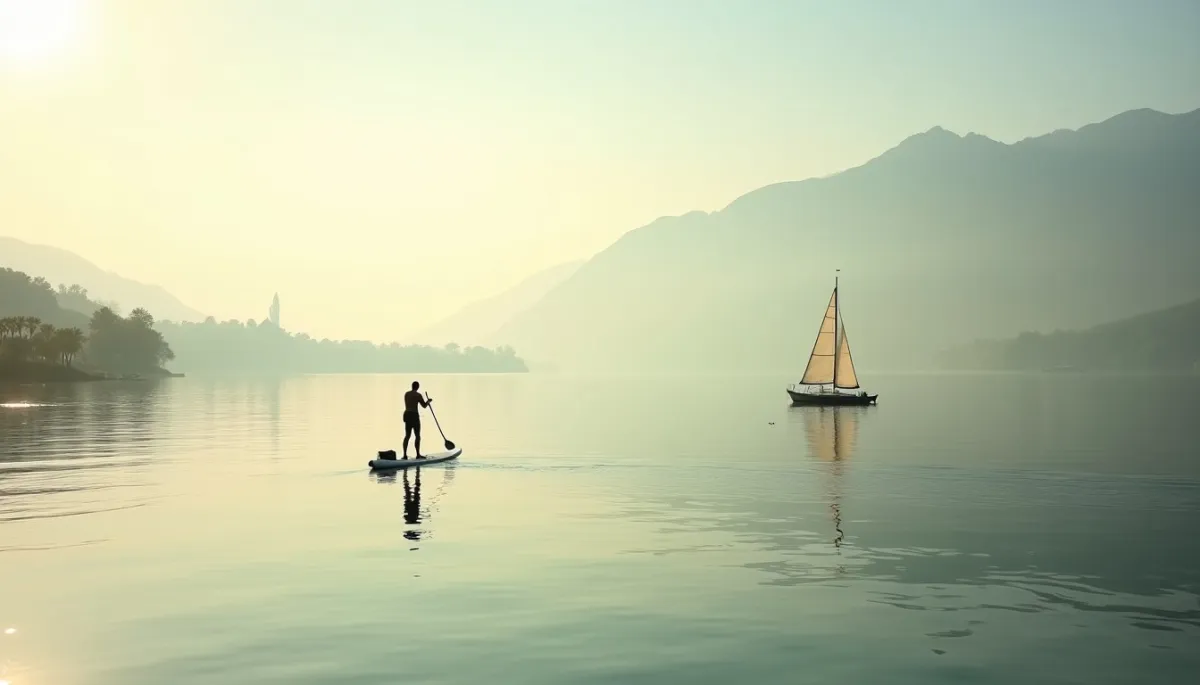
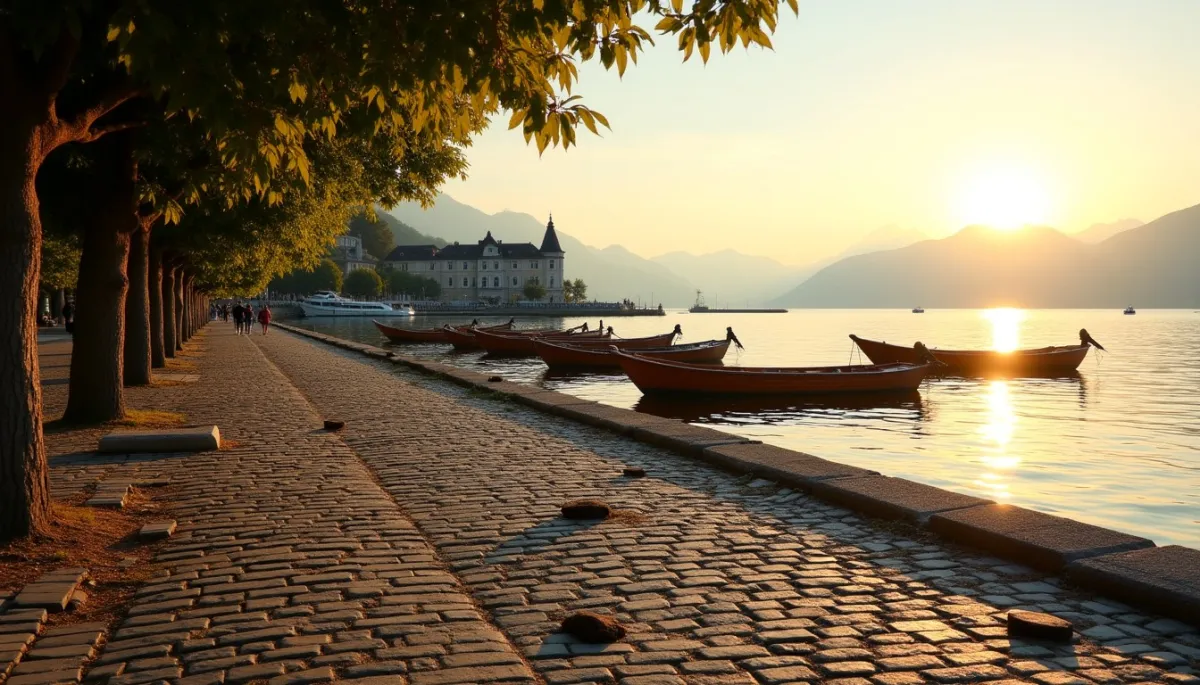
Imagine a morning mist lifting from Lake Geneva, boats edging the shore, and a newly laid street grid climbing from the small port into what will become the town. Merchants unpack amphorae, cavalry veterans (the equites) patrol the forum, and craftspeople set up workshops where the old town stands today.
L'empreinte romaine
Colonia Iulia Equestris is commonly dated to around 45 BCE, when Julius Caesar settled veteran cavalrymen in the region after his Gallic campaigns. That decision transformed a lakeside oppidum into a Roman colonia with rights and a planned urban form.
The urban imprint is visible: a rectilinear street plan, traces of a forum, thermal installations and domestic mosaics. Archaeological finds — inscriptions, pottery and mosaic fragments — attest to a town that participated in long-distance trade, supplying wine, oil and pottery along transalpine routes.
During the 1st and 2nd centuries CE, the settlement reached an apogee. Public buildings and private homes were embellished. The material culture recovered (ceramics, coins, altars) shows a community connected to the broader Roman world while maintaining local Gallic roots.
Pourquoi Nyon?
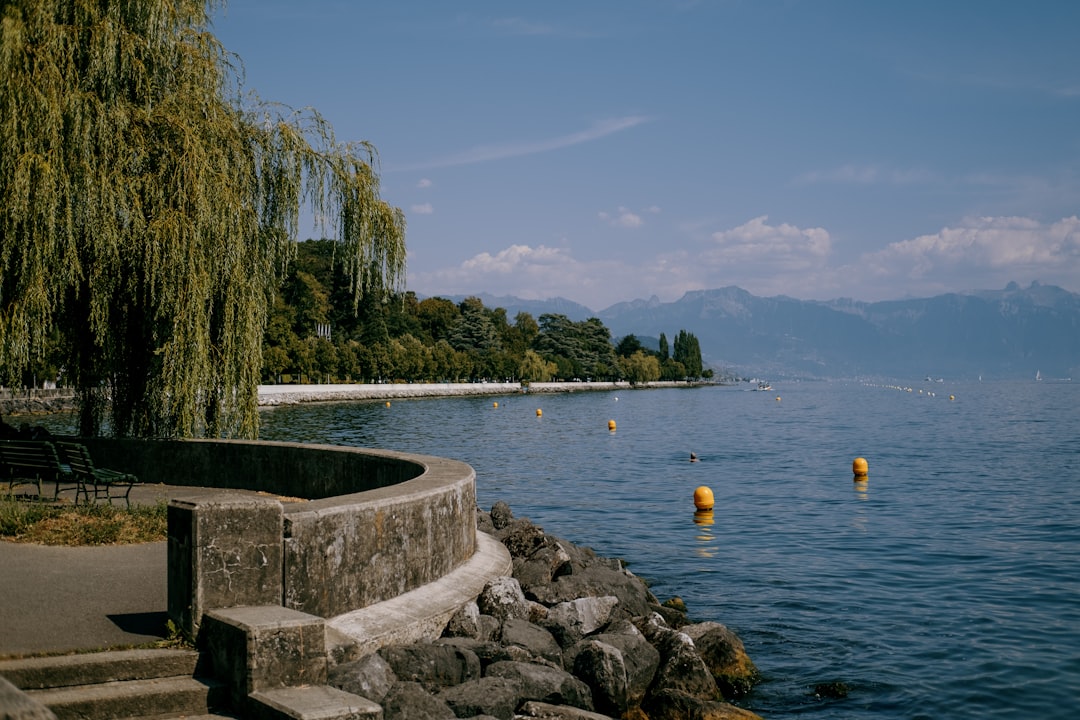
The choice of Nyon (then Noviodunum in local Celtic parlance) was strategic. Positioned on the northern shore of Lac Léman, it controlled a natural corridor toward the alpine passes and the Rhône valley, today linking the Riviera suisse to southern Europe.
From Rome's point of view, founding a colonia here secured communications and pacified a formerly contested territory. Settling equites (cavalry veterans) served a double purpose: reward the veterans and create a loyal, militarily skilled presence on the frontier.
Economically, the port was an asset. Boats could move goods across the lake to Lugdunum (Lyon) and beyond. Evidence of amphorae and trade pottery points to exchange networks reaching as far as the Mediterranean coasts.
Vestiges et regards
Excavations have been intermittent but revealing. Nineteenth and twentieth century digs uncovered mosaics, funerary stelae and building foundations. Today, the Musée romain de Nyon exhibits many finds and explains daily life in the colonia.
One striking anecdote: stones and sculpted fragments from Roman buildings were later reused in medieval constructions, including parts of the Château de Nyon. This reuse is a tangible link between antiquity and the town's medieval rebirth.
Preservation is an ongoing challenge. Urban development, tourism and conservation must be balanced. Practical advice for the visitor: check the museum's opening times, join a guided tour during summer to access the best-preserved panels, and follow the lakeside route where interpretive panels mark key finds.
For the curious, watch for inscriptions (epigraphs) and local names derived from Latin. They are small doorways into lives otherwise silent: veterans, merchants, potters and local leaders who shaped a frontier town that became a living Swiss community.
Thanks for reading, and don't forget, Enjoy Life Moments!