Is the Maya language disappearing in favor of Spanish?
🚀 Key Takeaways
- Key concept : No, Mayan languages are not extinct, but they are under pressure from Spanish and urbanization.
- Practical tip : Learn simple Maya phrases before visiting towns like Valladolid or Felipe Carrillo Puerto to connect more deeply.
- Did you know : Since 2003, Mexico recognizes indigenous languages as national languages, and local radio and apps use Maya increasingly.
Listen closely and you will hear it: a melodic language that holds centuries of stories.
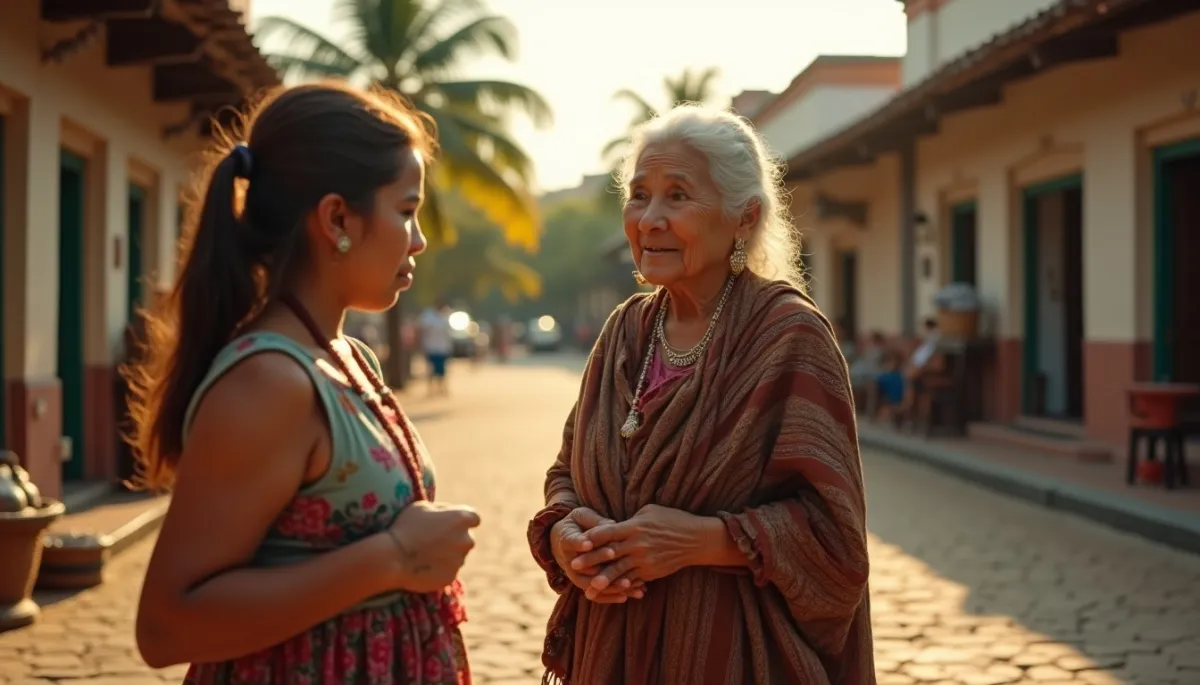
In a plaza in Valladolid at dawn, an elderly woman sells pan dulce and greets neighbors in Yucatec Maya, while teenagers pass by speaking rapid Spanish with Maya words slipped in. That scene repeats in villages and city neighborhoods from Mérida to Tulum. It frames the question: is the language fading into Spanish, or reinventing itself?
Signs on the ground
Demographic data give a mixed picture. According to Mexico's national census (INEGI, 2020), more than one million people still report speaking a Mayan language, including Yucatec Maya, K'iche', Q'anjob'al and others across the southeast. In the states of Yucatán, Campeche and Quintana Roo, Yucatec Maya remains the most widely spoken.
Yet numbers alone hide trends. Younger generations in urban areas often shift to Spanish as their main language for school, work and media. In many households, grandparents speak Maya, parents are bilingual, and children prefer Spanish. This process, called language shift, reduces everyday transmission across generations.
At the same time, there are visible efforts to keep Maya alive. Community radio stations broadcast in Maya; museums and cultural centers in Mérida and Tulum offer bilingual programs; and festivals celebrate traditional storytelling and music in the original language.
Why Spanish gains ground
Economic and social incentives push many families toward Spanish. Jobs in tourism, government and urban services demand fluency in Spanish and often in English. Parents make pragmatic choices, prioritizing the language seen as opening doors.
Educational history is another factor. For decades, public schools emphasized Spanish-only instruction. While reforms since the early 2000s promoted intercultural bilingual education, implementation is uneven. Rural schools sometimes lack trained teachers in Maya or appropriate materials.
Migration amplifies the change. Young people move to Cancún or Mérida for work, and in cities they use Spanish daily. Intermarriage and media consumption in Spanish reinforce the shift. In short, modernization and inequality shape language choices more than malice.
Signs of revival
However, the story is not just loss. Since 2003, constitutional reforms and the creation of institutions like the Instituto Nacional de Lenguas Indígenas (INALI) have recognized indigenous languages as national languages, with rights to education and public services in those languages.
Digital tools and cultural entrepreneurship also help. Local influencers post videos in Maya, apps offer basic Maya lessons, and young musicians mix rap or electronic beats with Maya lyrics. These creative uses revalue the language among youth, turning it from a stigma into a cultural asset.
Grassroots projects are compelling. In communities around Felipe Carrillo Puerto and Oxkutzcab, elders teach children in community workshops. In Valladolid, bilingual theater projects stage classic Maya tales. These initiatives are small, but they change attitudes and rebuild transmission habits.
What visitors can do
Travelers have a role. Learning a few phrases like ba'ax ka wa'alik (how are you) or in k'aaba' (thank you) shows respect and opens genuine exchange. Choose guides and businesses that employ local Maya speakers, and attend cultural events where language use is central.
Support cultural institutions: buy crafts from certified artisans, visit community museums, and favor tours that include language and history components. Donations to local schools or cultural projects are more useful when they support materials and teacher training in Maya.
Finally, listen. The choices communities make about language are personal and complex. Some families prioritize bilingualism; others see Spanish as a survival strategy. The best travel stance is curiosity combined with humility.
Thanks for reading, and don't forget, Enjoy Life Moments!