Investing in ethical luxury: the real estate shift in Tulum and Playa
🚀 Key Takeaways
- Core concept : Ethical luxury blends upscale design with measurable ecological and social practices.
- Practical tip : Prefer projects with third-party sustainability certification and clear water management plans.
- Did you know : Mayakoba near Playa del Carmen is an early model of integrated luxury and conservation on the Riviera Maya.
Waves of tourists and investors now meet stricter conscience and new regulations.
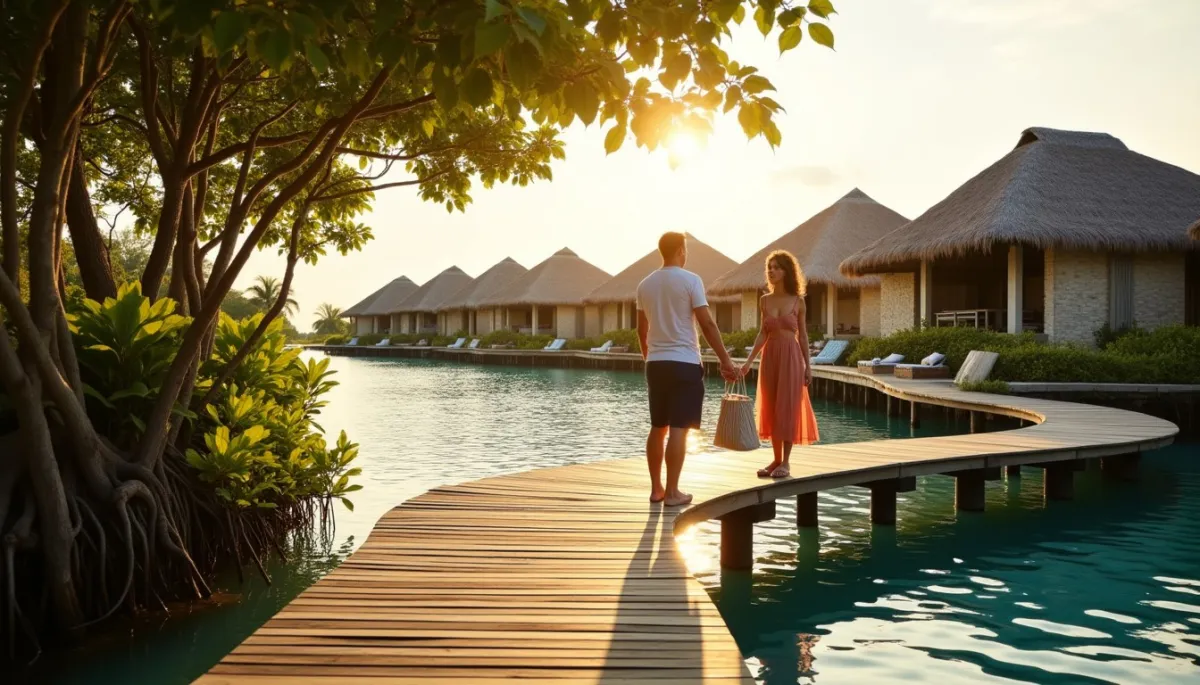
Imagine walking a raised wooden boardwalk at golden hour through mangroves, past low-slung villas with palapa roofs and discreet solar arrays. A concierge greets a couple carrying a handcrafted bag from a local cooperative, while a sign explains the cenote protection protocol. That mix of exclusivity and visible stewardship is the scene that greets visitors and buyers today on parts of the Riviera Maya.
The consequence is tangible: inventory, pricing and marketing have changed. Luxury listings now sell not only on finishes and beach access, but on wastewater plans, mangrove setback distances, and documented agreements with community groups. In Tulum, neighborhoods like Aldea Zama and La Veleta have seen a proliferation of boutique developments promoting low-rise density and native landscaping. In Playa del Carmen, Mayakoba and some new beachfront projects emphasize certified conservation areas and onsite mangrove restoration as part of their pitch to high-net-worth buyers.
La trace visible: chantiers, adresses et succès concrets
On the ground, projects look different. Developers reduce concrete footprints, route rainwater into engineered bioswales, and replace manicured lawns with native palmettos. Guests and residents notice subtle but meaningful differences, like permeable driveways and collection points for greywater reuse.
Real examples exist. Mayakoba has long marketed an integrated resort model with channels and mangrove buffers that serve both guests and wildlife. In Tulum, several boutique hotels and residential compounds have adopted local stone, reclaimed wood and cenote protection clauses in their permits. These are not just marketing lines, they alter construction methods and lifecycle costs.
Sales conversations have shifted. Realtors now present technical dossiers alongside floor plans, including water treatment capacity, energy mix projections, and community benefit agreements. Buyers willing to pay a premium often cite the reduced regulatory risk and the experiential value of staying in a place that says it cares.
Les racines du changement: pourquoi le luxe se réinvente
There are clear causes feeding this transformation. Pressure came from visible environmental degradation, like stressed aquifers and damaged mangrove belts, which triggered public debate and drew attention from federal and state authorities. That discourse pushed both regulation and voluntary standards.
Tourist expectations evolved too. A younger, conscious clientele seeks authenticity and impact. For them, a spa with local herbal treatments and a resort that funds sea turtle nests count as meaningful amenities. This demand steers capital toward projects that can credibly claim ecological and social benefits.
Economic logic follows. Ethical practices can lower long-term risks: resilient water systems reduce operating costs, community partnerships ease social conflicts, and credible certification can stabilize asset value. Savvy investors have understood that reputational capital now parallels marble countertops as a selling point.
Pourtant: contradictions, risques et horizons possibles
However, contradictions remain. 'Greenwashing' is real, when developers use sustainability rhetoric without technical follow-through. Some projects announce reforestation while clearing more than they plant. Buyers must read beyond glossy brochures.
Regulation is uneven. While some municipalities enforce setbacks and wastewater treatment rules, enforcement capacity varies. That inconsistency creates arbitrage opportunities for less scrupulous actors, and confusion for conscientious investors.
Looking ahead, integration is the likely path. Expect more hybrid models: co-investment with local cooperatives, impact bonds for mangrove restoration, and tighter third-party audits. On the Riviera Maya, the winners will be projects that blend high design with measurable stewardship, and that transparently report outcomes.
Practical advice for investors: visit sites at low tide and during the rainy season, review permits and environmental impact studies, consult local architects experienced with cenote-safe foundations, and insist on written community benefit agreements. Small details matter, from septic design to native plant palettes.
Indiscretion worth sharing: many successful developers now hire local cultural advisers to create guest programs that are genuinely reciprocal, not performative. That simple move often diffuses local tensions and strengthens brand authenticity.
Thanks for reading, and don't forget, Enjoy Life Moments!