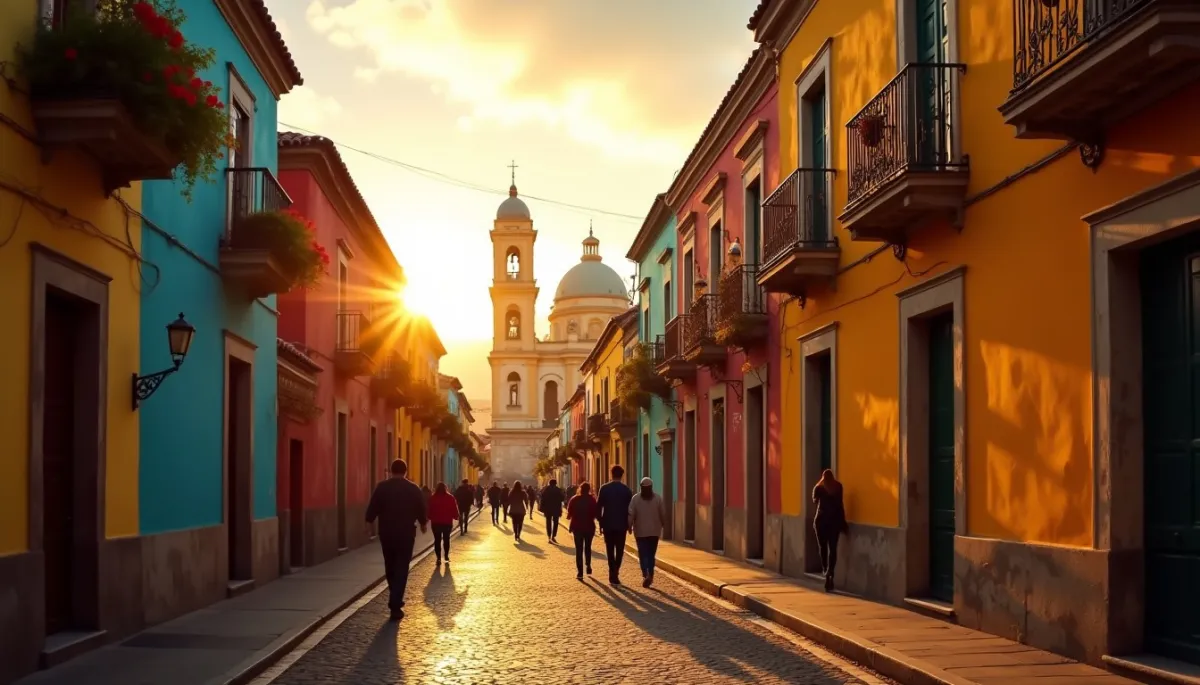
Cochinita pibil: the sacred history behind the Yucatán's emblematic dish
🚀 Key Takeaways
- Key concept : Cochinita pibil marries the Mayan pib (earth oven) technique with pork introduced in the 16th century.
- Practical tip : Look for banana leaf wrapping, recado rojo (achiote paste) and naranja agria (sour orange) marinade. Try it with pickled red onions and habanero on a warm tortilla.
- Did you know : The cooking method was used for ritual feasts and remains central to celebrations such as Hanal Pixán.
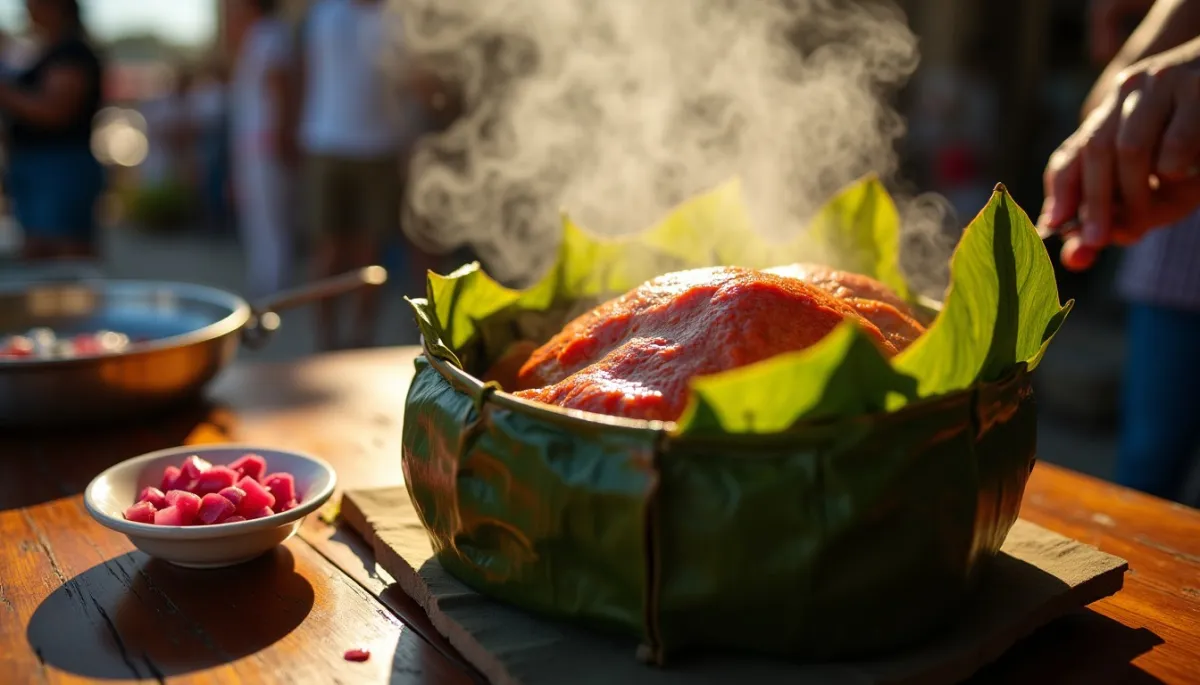
Hot steam rises, fat sizzles, and banana leaves unroll to release a perfume of annatto and citrus.
Imagine a rustic kitchen in the heart of Mérida, early morning light through a mercado stall, a metal pot still wrapped in banana leaves. Women and men check the meat, ladling bright achiote marinade, while a vendor sells tacos to a queue of locals. The sound of laughter mixes with the soft clack of knives on a wooden board, and a child tugs at a pickled onion to pop it into a taco.
ancestral ovens
The name pibil comes from the Yucatec Maya word pib, which means an oven buried in the earth. Archaeological evidence shows that the Maya used earth ovens for cooking and ritual offerings for centuries, long before European contact. The method involves placing food on hot stones, covering it with leaves and soil, and letting it steam slowly for hours.
Traditionally, these cookings were linked to community gatherings, harvests and offerings to the gods. Foods prepared in a pib carried symbolic value, shaped by seasonality and ceremony. The technique preserves moisture and infuses ingredients with smoky, vegetal notes.
When Spaniards introduced pigs to the Americas in the 16th century, the Maya adapted local techniques to new meats. Pork became a new canvas for the pib, giving birth over time to what we call cochinita pibil, literally "little pig cooked in a pib."
colors and flavors
At the heart of cochinita is recado rojo, a paste made from achiote seeds, garlic, oregano, cumin and bitter orange. Achiote provides the distinctive red-orange color and an earthy, slightly peppery aroma. Naranja agria, a sour orange brought from Asia via Spain, gives the marinade its bright acidity.
Cooks wrap the marinated pork in banana leaves or young plantain leaves, which protect it from direct heat and impart a subtle vegetal scent. Slow cooking, whether in a true pib or a modern oven, breaks the connective tissue, producing tender flakes that absorb spicy salsas and pickled onions.
In Mérida and Valladolid, you'll find variations: achiote intensity changes, some recipes add orange zest, others finish with a few drops of avocado oil. Street stalls may shave the meat onto tortillas, while restaurants plate it with refried black beans and fresh habanero salsa.
tradition and transformation
Cochinita pibil is both a ritual food and a living dish. It remains central to family celebrations, baptisms, weddings and the Hanal Pixán festival, the Maya remembrance of ancestors held each November. Kitchens across the Yucatán still follow regional family recipes passed down for generations.
At the same time, the dish has evolved. Chefs in Mexico City and abroad reinterpret cochinita, offering confit versions, tacos de cochinita with novel garnishes, or vegetarian takes using jackfruit. These innovations expand the dish's reach, but they sometimes spark debate about authenticity among traditional cooks.
For travelers, the best approach is curiosity and respect. Taste cochinita at a market like Mérida's Lucas de Gálvez or Valladolid's municipal market, ask about the pib method, and try both street and home-style versions. Carry a simple tip: order it with pickled red onions and a squeeze of naranja agria if available.
Thanks for reading, and don't forget, Enjoy Life Moments!