How intimate luxury retreats are redefining romance
🚀 Key Takeaways
- Concept key : Intimate luxury favors privacy and experiential design.
- Practical tip : Favor boutique houses, bespoke experiences and off-season bookings for true intimacy.
- Did you know : Many top houses now offer private-use takeovers, from villas in Capri to ryokans in Kyoto.
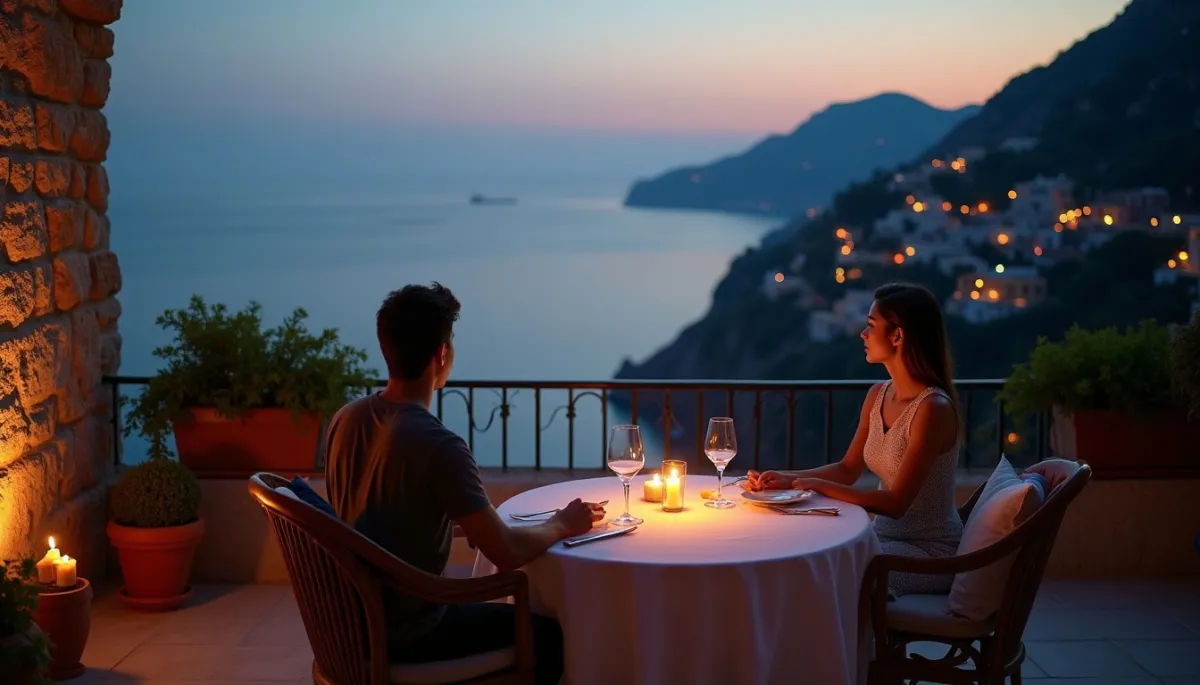
Love can be loud, or it can be a whisper. Imagine arriving at dusk to a whitewashed villa on the Amalfi coast, candles along the terrace, the ocean like a soft curtain beneath you.
Subtle consequences
Intimate luxury is changing how couples travel and live their relationships. Rather than grand ballrooms and flagship properties, the most sought-after experiences are private villas, boutique hotels with a handful of rooms, and personalized itineraries crafted around two people, not many.
Beyond aesthetics, there are economic effects. Small properties with high service density command premium rates because they sell time and attention, not just space. Hospitality groups are adapting; you now find low-key, ultra-personal offerings from long-established brands like Aman and smaller houses such as Capella or independent riads in Marrakesh.
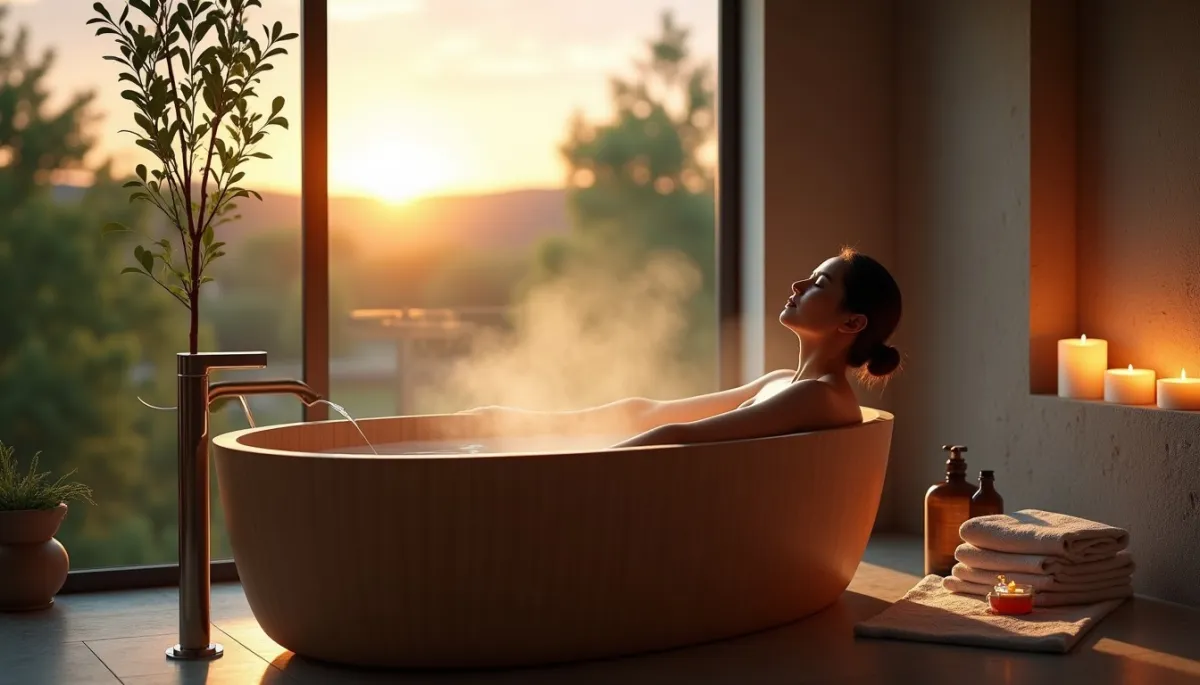
Culturally, this shift affects rituals. Honeymoons, anniversary trips, even weekend escapes are curated as micro-residences, with chefs, private guides, and wellness practitioners brought in for the couple. The picture is less about spectacle, more about shared meaning.
Hidden roots
The move toward intimate luxury is not accidental. After the pandemic, priorities changed: privacy, safety and genuine connection rose to the top. Travelers began to value spaces where interruptions are scarce and attention is tailored.
Technology also plays its part. High-end concierge platforms, encrypted messaging with hotels, and data-driven personalization allow hosts to learn preferences and prepare surprises that feel effortless. This is experiential luxury, a term that means designing moments that matter rather than stacking amenities.
Generational change matters too. Millennials and Gen Z couples value authenticity and experiences over ownership. They are more likely to spend on a private cooking class in a Tuscan farmhouse than on a designer bag. That demand reshapes supply, from private-island buyouts to tiny architectural gems in remote valleys.
Soft tensions
However, intimacy at scale creates contradictions. When an experience becomes a trend, exclusivity risks being diluted. Brands face the challenge of offering private, bespoke moments while scaling profitability. The answer is often modular luxury, where small, repeatable modules of personalization are combined in unique sequences for each client.
There are also ethical questions. The rise of private takeovers can pressure fragile destinations. Local communities may see benefits from high-spend visitors, but without careful management, cultural and environmental stress rises. Responsible operators now tie experiences to local artisans, conservation projects, and transparent sourcing.
For couples seeking this kind of escape, practical choices matter. Opt for properties with genuine local roots, ask about staff continuity (the same butler or chef matters), and schedule moments that force presence: no phones at dinner, a sunrise walk, an artist-led workshop. These small rules convert luxury into shared memory.
Ultimately, intimate luxury is less a style and more a code: choose depth over display, craft over catalog, presence over posts. It is a way for couples to recalibrate what the word romantic means in a noisy world.
Thanks for reading, and don't forget, Enjoy Life Moments!