From techno to permaculture: the DJ who became a farmer
🚀 Key Takeaways
- Core concept : Many former electronic musicians are embracing permaculture as a way to reconnect with place and purpose.
- Practical tip : Start with a 10-square-meter bed, observe sun and water for a season, then introduce companion planting.
- Did you know : The word permaculture was coined in 1978 by Bill Mollison and David Holmgren.
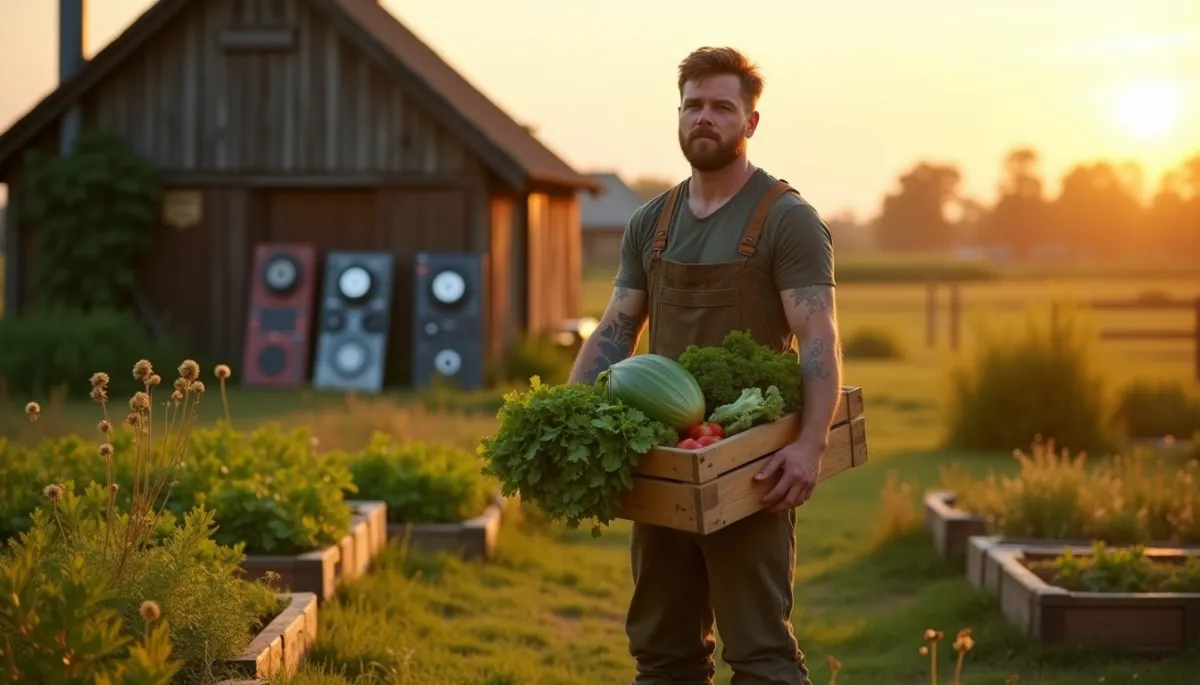
He smiles, hands in soil. The bass has been replaced by the low hum of bees. Picture a small farm on a limestone plateau, morning mist lifting over hugelkultur beds and a spray of calendula in bloom.
Rave et terre
The main character of this story is one among many: a former techno DJ who performed in Berlin, Barcelona, and Paris between 2006 and 2016. He built a modest following, released two EPs and DJed at iconic clubs, but after ten years of touring he felt the pull of the countryside.
He is not unique. Since the 2010s, a visible number of electronic artists, sound designers and festival technicians have chosen rural projects. Some wanted silence after years of amplified sound, others needed space to raise vegetables and children. Their public profiles vary, from local DJs to producers with international reputations, but their choices echo a shared desire.
These transitions have been covered sporadically by the press, but the pattern matters: creative people reuse their skills for land stewardship, community organizing, and local food production. Their networks help communicate permaculture principles to new audiences.
Désir de racines
The why is layered. For many, the turning point was exhaustion and age. A typical timeline: a decade of nightlife, then a health scare, or simply the cumulative fatigue of travel. The 2020 lockdowns accelerated the trend, sparking a gardening boom and prompting musicians to reassess lifestyles.
Philosophically, permaculture offered a framework. Coined in 1978 by Bill Mollison (1928-2016) and David Holmgren (born 1955), permaculture combines permanent agriculture and permanent culture. Its ethics—care for the earth, care for people, fair share—resonate with artists used to collaborative practices.
Practically, skills translate. Event logistics become farm planning, sound engineering becomes water management, community-building becomes a CSA (community-supported agriculture). One anecdote: in 2019 a small collective of London DJs pooled savings to buy 2 hectares in Nouvelle-Aquitaine. They converted a disused barn into a recording studio that doubles as a seed bank, hosting seasonal residencies for musicians and apprentices.
Tensions fertiles
Change is not seamless. A central contradiction arises between aesthetic freedom and regulatory reality. Farming requires permits, knowledge of soil tests, and an understanding of seasonal cycles. Many ex-artists underestimate bureaucracy, and some projects falter in the first two years.
Another challenge is identity. Leaving the stage can feel like losing a public self. A former DJ we met in 2022 confessed that selling his decks was harder than leaving his city apartment. Reinvention took time, therapy, and the small victories of a successful carrot harvest.
Yet tensions generate innovation. Several farms have hybrid models: daytime permaculture, evening micro-concerts powered by biodiesel generators, workshops on synthesis and soil biology. These experiments create new economies, mixing ticket sales with vegetable boxes and education grants.
Petit manuel
For readers tempted to try, here are concrete steps. Start small: a 10-square-meter plot allows experimentation without overwhelming. Observe for three months the sunniest and coldest spots, note water flow, and map microclimates.
Use permaculture tactics: swales to slow water, polyculture beds to reduce pests, and companion planting (for example, basil with tomatoes to deter whiteflies). Composting is non-negotiable. Learn to test pH and add lime or sulfur sparingly.
Seek local networks. Transition Towns, which emerged in the mid-2000s, and groups like Reclaim the Fields (active in Europe since the early 2010s) can connect you with experienced growers and legal advice.
The story of the DJ-turned-farmer is less a break than a translation. Beats become planting calendars, applause becomes harvest tables, the club's communal energy becomes a neighborhood CSA pick-up. Across Europe and beyond, soil offers a different kind of resonance, one that asks for patience and rewards with food, community, and a new tempo.
Thanks for reading, and don't forget, Enjoy Life Moments!