Circular gastronomy: how zero waste is moving into our kitchens
🚀 Key Takeaways
- Concept key : Circular gastronomy closes food loops by turning waste into value.
- Practical tip : Start with a weekly plan and a compost jar, learn one preservation technique.
- Did you know : The anti-waste law in France (2016) was among the first to force supermarkets to donate unsold food.
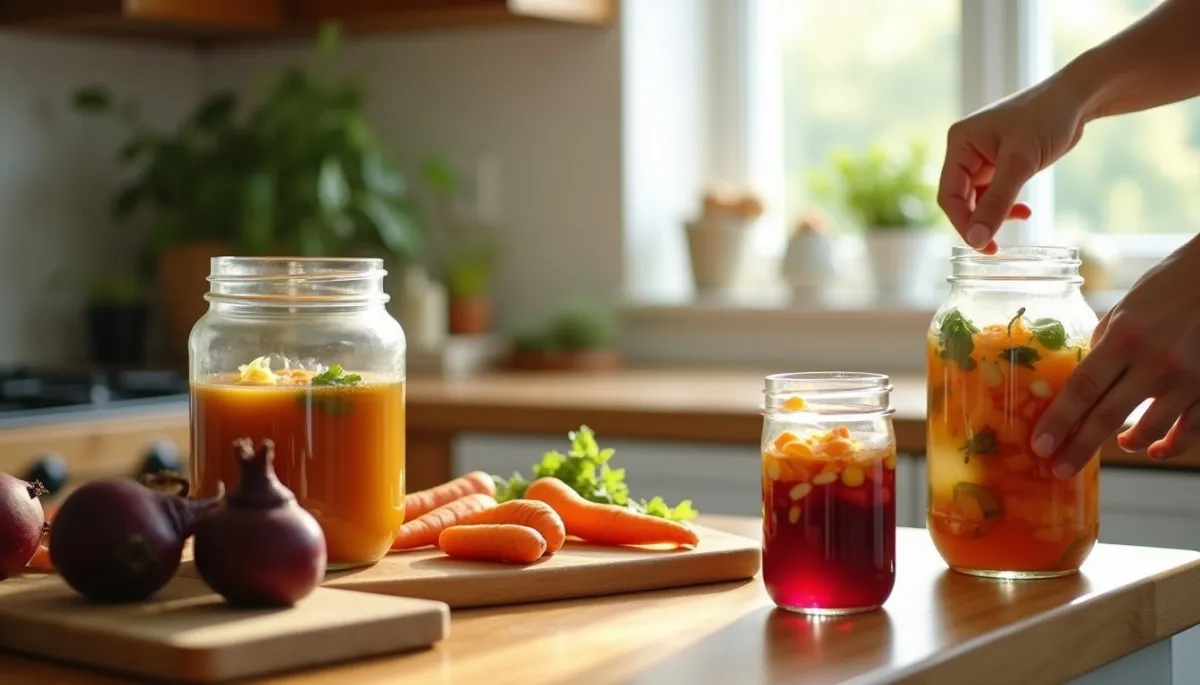
It smells like lemon peel and warm bread. In a sunlit kitchen a mason jar of vegetable stock simmers while a bowl of 'ugly' carrots waits to be roasted.
Leftover renaissance
At its heart, circular gastronomy reimagines leftovers as raw material. It borrows from industrial circular economy ideas, applying them to food: nothing is simply discarded, everything is valorized.
The problem it addresses is enormous. According to the Food and Agriculture Organization (FAO), around one third of the food produced globally for human consumption is lost or wasted. That translates to roughly 1.3 billion tonnes, with big impacts on greenhouse gases and resource use.
Restaurants and food industry players have long experimented with this approach. From Dan Barber's farm-to-table ethic and his focus on whole-ingredient cooking, to Fergus Henderson's 'nose-to-tail' advocacy for animals, the professional scene provided techniques and recipes later adopted at home.
Roots of change
Why are we seeing circular gastronomy now? Several forces converged in the 2010s and early 2020s. Public awareness about climate change rose, cities began to tackle urban waste, and pioneers like Bea Johnson (Zero Waste Home) put household routines under the microscope.
Policy nudges mattered. In 2016, France passed a law requiring supermarkets to sign donation agreements with food banks rather than discarding unsold food. That law inspired initiatives elsewhere and pushed supply chains to rethink surplus.
At the same time, digital tools scaled solutions. Apps such as Too Good To Go, created in the mid-2010s, enabled consumers to rescue unsold restaurant and bakery items. These platforms turned rescue into an everyday gesture and showed how technology can bridge supply and demand for near-expiry foods.
Practical kitchen habits
Translating circular gastronomy into everyday life is less about austerity and more about skill. Simple habits multiply: planning meals reduces impulse buying; batch-cooking uses whole ingredients efficiently; freezing portions prevents waste.
Preservation techniques are essential. Fermentation (sauerkraut, kimchi), pickling, and making stocks from peels and bones extend the life of raw material and create new flavors. Learning one technique a month can change how you view scraps.
Composting or bokashi remains a key loop, returning organic matter to soil. For apartment dwellers, community composts or chemical-free bokashi bins are practical. Some cities now collect household food waste separately, making composting part of municipal services.
Creative economies
Beyond households, circular gastronomy spawned businesses that monetize by-products. Breweries sell spent grain to bakers, olive mills transform pomace into cosmetics, and bakeries turn day-old bread into croutons or beer. These micro-economies demonstrate how waste can be an asset.
Chefs also turned social. Massimo Bottura's Food for Soul projects created Refettorios, community kitchens that transform surplus food into meals for vulnerable people, blending haute cuisine with social mission. Such examples show that culinary excellence and solidarity can coexist.
Retailers explored 'ugly produce' lines, and some supermarkets now sell imperfect fruits at a discount. This reduces food loss at the farm gate and normalizes the look of real produce, shifting cultural expectations about perfection.
Open questions ahead
Despite momentum, challenges remain. Infrastructure to collect and process organic waste is uneven, especially outside major cities. Small producers may lack access to markets for by-products, and regulatory frameworks for food redistribution vary widely.
There are also contradictions. Industrial upcycling can become a marketing label rather than a systemic change, and some solutions shift burdens elsewhere (for example, shipping surplus to faraway processing centers). Careful design is needed to avoid greenwashing.
Still, the future looks promising. Design-led kitchens, municipal composting, anti-waste legislation, and consumer apps combine to make circular gastronomy accessible. The invitation is simple: learn one preservation technique, commit to a weekly plan, and see waste as a resource. The kitchen becomes both a lab and a commons.
Thanks for reading, and don't forget, Enjoy Life Moments!