Excellence according to Baccarat: the French crystal that lights royal tables
🚀 Key Takeaways
- Concept key : Baccarat elevated lead crystal through cutting and design to become a status symbol.
- Practical tip : Clean crystal by hand with warm water and a soft cloth to preserve brilliance.
- Did you know : The Harcourt glass shape, one of Baccarat's signatures, dates from the 19th century.
Pure light.
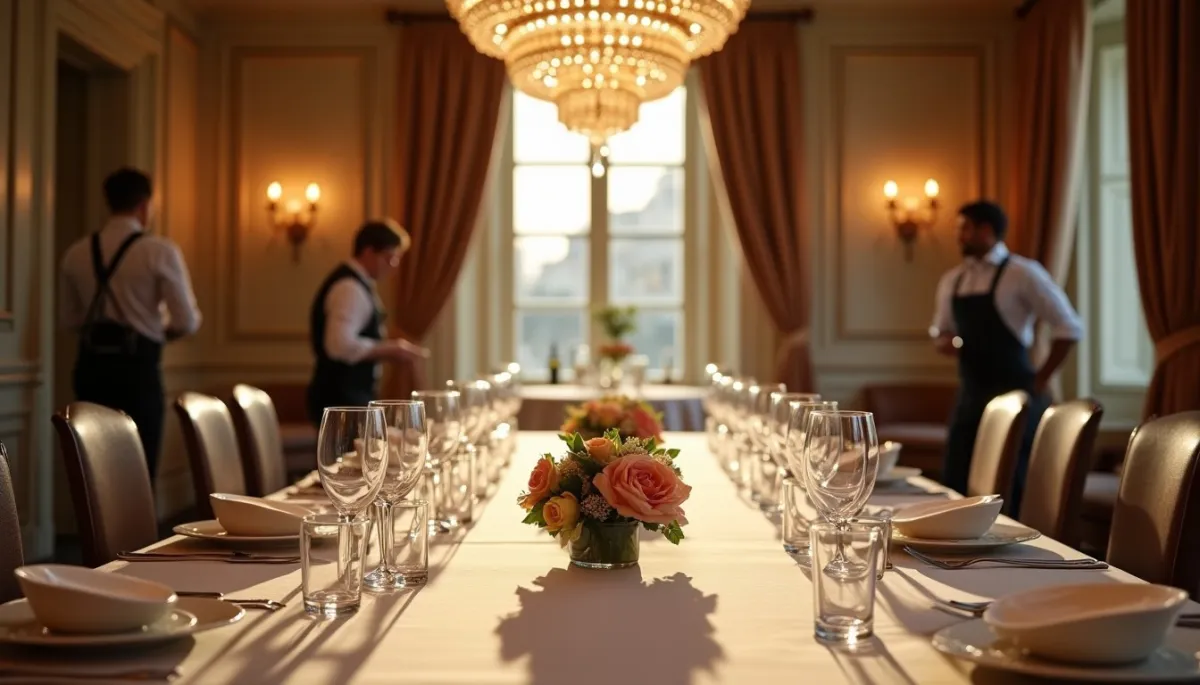
Imagine a long table under a crystal chandelier, the glasses catching small fireworks of reflection, servers moving like a silent choreography. You feel the weight of the glass in your hand, a precise balance between fragility and solidity, the sound of crystal against porcelain like an exclamation point. That tactile and visual signature is Baccarat.
Lueur historique
Baccarat was founded in 1764 in the village that gives the house its name, in Lorraine. From its origins as a provincial verrerie to its recognition as a premier crystal maker, the maison has accompanied centuries of change in taste and technique.
In the 19th century, Baccarat consolidated its style and technical mastery. It developed cutting methods and moulding processes that magnified light, creating glassware and chandeliers for European courts, for embassies and for the salons of the new industrial elites.
These early commissions established Baccarat not only as an artisan, but as a symbol. When a table was set with Baccarat, the gesture signalled refinement, international reach and a specific idea of French elegance.
Artisanat vivant
What makes crystal different from ordinary glass is its composition and its finish. Traditionally, crystal contains metal oxides, including lead, which increase refractive index, weight and workability. The result is greater brilliance and a warmer, denser clarity.
Beyond chemistry, the real value lies in human hands. Cutting, polishing and finishing are still done by skilled artisans. Each angle is calculated to split light, each facet designed to sing. Visitors to workshops in Lorraine and to the Maison's public spaces can see mouth-blowing, cutting on the wheel and the final control that gives each piece its personality.
Baccarat also navigates the contemporary world. The house collaborates with living designers, reinterprets heritage shapes and invests in lighting and interior projects. This keeps the brand visible in modern palaces, luxury hotels and private residences.
Tables royales
Baccarat's creations have long lit the tables of heads of state and major institutions. Crystal chandeliers hang in grand salons, dinner services have been commissioned for state visits, and goblets carry the imprint of ceremonies.
From royal palaces to the grand hotels of Paris, Baccarat objects punctuate moments meant to be remembered. The presence of crystal changes the perception of a meal, it codifies ritual and emphasizes the ceremonial dimension of dining.
Collectors value certain historic models for provenance and patina, while hospitality brands commission bespoke services to signal an experience that is both luxurious and intimate.
Lustres de lumière
Chandeliers are among Baccarat's most theatrical contributions. They convert light into a stage, multiplying reflections across a room. The chandelier is not just a source of illumination, it is a focal point of architecture and taste.
In contemporary interiors, Baccarat chandeliers are placed above dining tables, in hotel lobbies and in cultural institutions. Their scale varies, but the goal remains the same: to control how light falls and to create a memorable atmosphere.
Designers and architects often use crystal pieces as punctuation marks, a way to anchor a space with a reference to history and craftsmanship, while the rest of the decor remains pared down.
Conseils et gestes
To keep crystal alive, a few simple rules are enough. Prefer hand washing, avoid sudden temperature changes, and use a soft cloth to dry. For engraved or cut pieces, a light toothbrush can help remove residues from recesses.
When you choose a Baccarat piece, check proportions and balance. A well-made glass will present a certain heft and a tuned ringing sound when tapped gently. Provenance matters: an original signature or a documented commission increases cultural and monetary value.
Finally, use crystal. The paradox of luxury objects is that they come alive when used. A Baccarat glass is designed to be held, admired and to participate in conversation.
Thanks for reading, and don't forget, Enjoy Life Moments!