Libération Market in Nice: a deep dive into authentic local lifestyle
🚀 Key Takeaways
- Core concept : A neighbourhood market that reflects daily Niçois life, not just tourism.
- Practical tip : Arrive early (around 8–10am) for the best produce and to chat with vendors.
- Did you know : Seasonal specialties such as artichokes in spring and citrus in winter shape the market’s mood.
Close your eyes and breathe in. Fresh citrus, basil and warm bread blend into a single scent, like a postcard of the Côte d’Azur. You are in Libération, in Nice, where the market unfolds in the soft morning light and life goes on at human pace.
Rythme du quartier
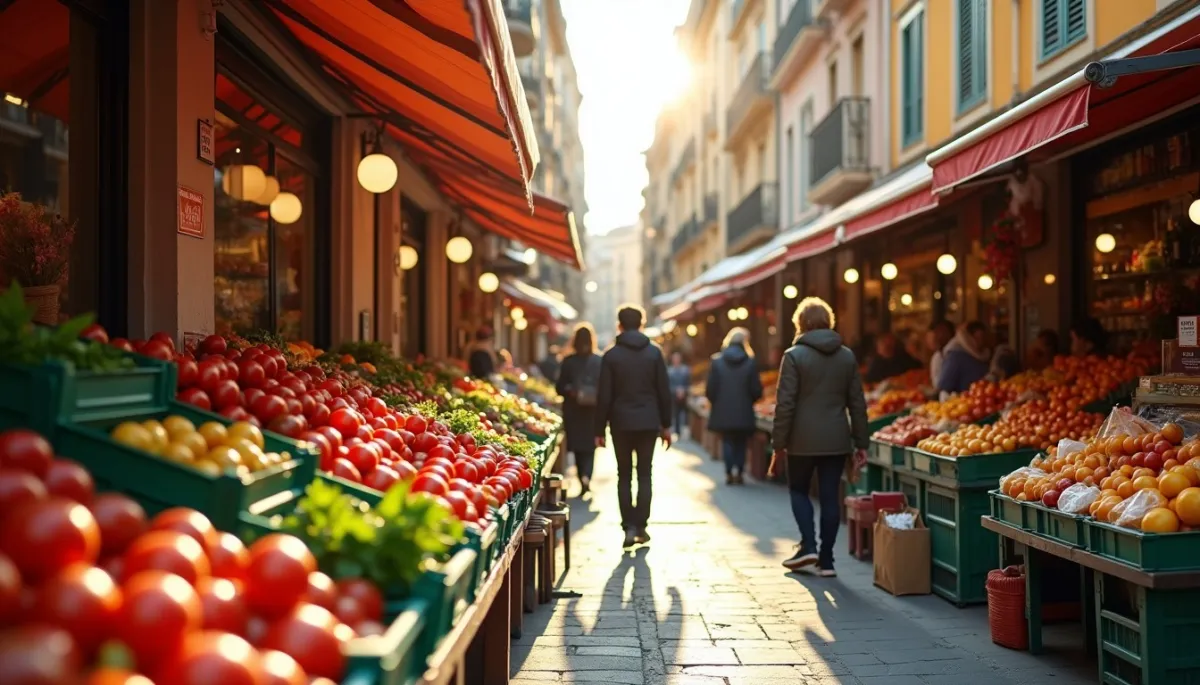
The market is not a spectacle. It is daily life made visible. Early commuters cross carts laden with tomatoes, crates of figs and bunches of fragrant herbs. Children arrive with grandparents, and office workers stop by for a quick café and a slice of socca from a stall nearby. The scene feels simple but sharply composed.
What makes Libération different from the refurbished, postcard-perfect markets in Old Nice is its intimacy. Stalls line the square and nearby streets, and they are run largely by producers or by families who have traded here for years. This closeness translates into short conversations, sample tastes handed over the counter, and the kind of trust that turns a buyer into a regular.
Photographers and food writers come for the color and the characters, but the market remains a working place. Merchants set up before sunrise, and by noon many have sold their best crates. That rhythm governs the neighbourhood's tempo and even local cafés arrange their pastries and tables around it.
Saveurs et saisons
Walking the aisles is a calendar lesson. In March and April, artichokes and early asparagus signal the arrival of spring. By June and July, tomatoes, melons and stone fruits fill the stalls, their smell announcing summer. Autumn brings wild mushrooms and figs, while winter brings citrus from the surrounding hinterland and Corsica.
The market also displays local specialties. You will find pissaladière ingredients, anchovies, olives from neighboring valleys, tapenades, and tins of anchovy paste for those who want to reproduce Niçois flavors at home. It is a live encyclopaedia of the terroir of the Alpes-Maritimes.
Pricing remains pragmatic. While some stalls target visitors with elaborate displays, many keep prices accessible to locals. In that balance lies the market's social role: food as a shared resource, not just a luxury to photograph.
Faces et histoires
The human element is the market’s greatest asset. Vendors often know their customers by name. You might meet a cheesemonger who sources from a small shepherd in the hills above Vence, or a woman who has sold flowers here for thirty years. Their stories are local history—small archives of taste and migration, of family recipes passed down through generations.
One anecdote often told: a stall that began in the 1950s with a single barrow now occupies the same corner, third generation at the counter. That continuity gives the place its density: the market is not just a point of sale, it is a living social map where births, weddings and daily routines intersect.
Occasionally, public life touches the market. Local associations organise tastings and seasonal events; municipal initiatives sometimes fund small renovations to keep the area clean and accessible. These gestures matter because they preserve a space where community and commerce meet.
Conseils pour l’expérience
To enjoy Libération like a local, go early in the morning when choices are best and the light is kind. Bring cash for small purchases, but many vendors now accept cards. Don’t hesitate to ask for a taste. Offer a polite bonjour; the market still runs on manners as much as on quality.
Look beyond produce: check the stalls for small artisans, bakeries with fougasse or small patisseries, and a fishmonger who can recommend the catch of the day. Buying a slice of socca nearby and sitting on a bench to watch the market is an instant shortcut into local rhythm.
If you are visiting in high season, combine the market visit with a walk to nearby streets for coffee, or cross to Parc du Champel for a quieter interlude. For those who cook, ask vendors about seasonality, and consider planning a dinner influenced by what you find at the stalls.
Thanks for reading, and don't forget, Enjoy Life Moments!