Friluftsliv on the Swiss Riviera: Embracing Outdoor Life in Every Weather
🚀 Key Takeaways
- Core concept : Friluftsliv means living in the open air (a Scandinavian mindset adopted locally).
- Practical tip : Layer merino and a waterproof shell, and start with a 30-minute lakeside coffee walk.
- Did you know : Walks in the Lavaux terraces (UNESCO since 2007) are ideal for year-round friluftsliv.
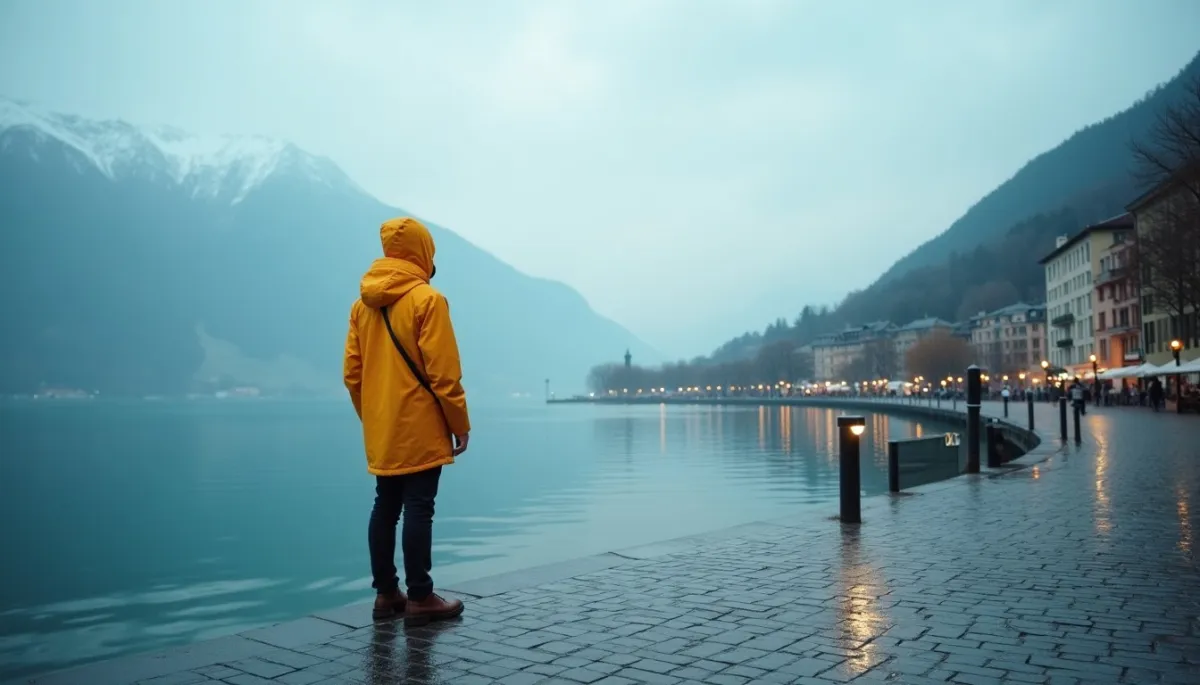
Open your window and step outside. Imagine a gray morning in Vevey, drizzle soft on the promenade, a fisherman under his cap, and a family sharing soup on a picnic bench, steam rising into the cool air.
air as routine
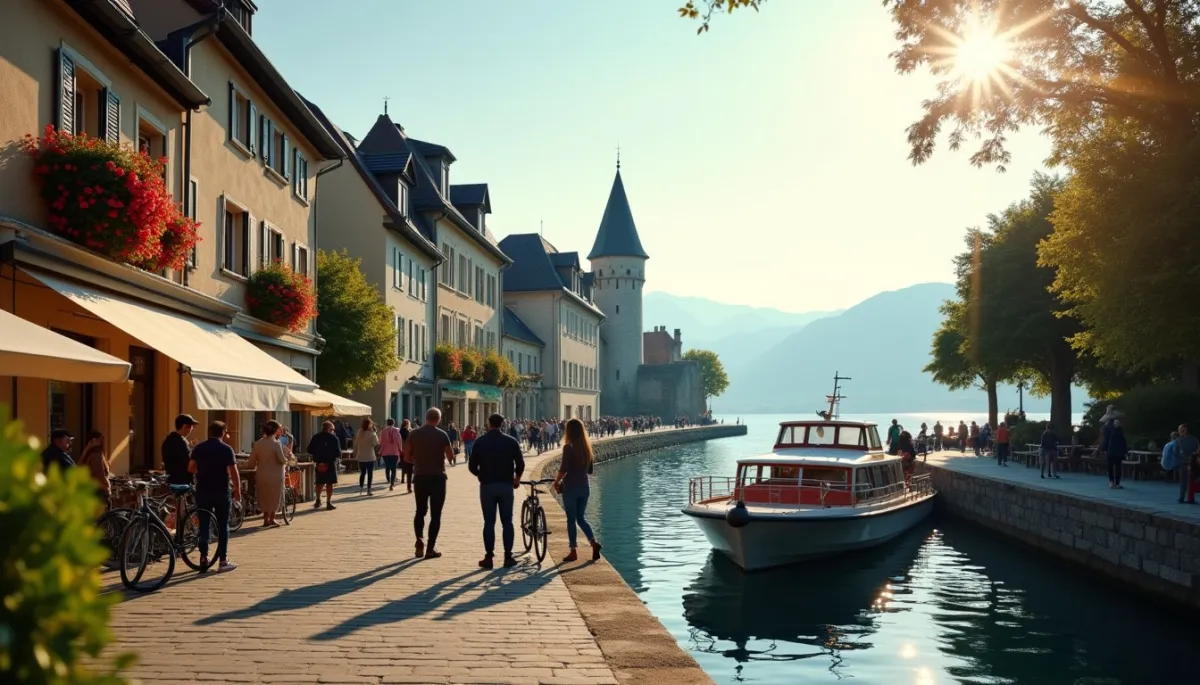
Across the Riviera vaudoise, friluftsliv has been folded into daily life. People walk to work along the lake, children play in the rain, and cafés set out enamel cups for those who choose to linger outside.
The term friluftsliv comes from 19th-century Scandinavia and literally means "open-air life". It describes more than hiking; it is a habit of choosing the outdoors for ordinary moments, from coffee to chores.
Here the landscape helps. The mild microclimate of Montreux and Vevey, the vineyards of Lavaux (listed by UNESCO in 2007), and the easy access to hills such as Les Pléiades and Rochers-de-Naye make it natural to step out, even when the forecast is cloudy.
weather and wellbeing
Choosing to be outside despite rain or wind has measurable effects. Studies across Europe in the 2010s and early 2020s linked regular exposure to natural light and fresh air with lower stress, improved mood, and better sleep. Swiss doctors increasingly recommend short daily walks as part of preventive health.
On the Riviera, locals experiment all seasons. In autumn, Lavaux's terraces glow amber and winegrowers invite passersby to pop into a cabane for a hot tawny. In February, cross-country skiers on Les Pléiades and winter swimmers at small bays of Lake Geneva prove that cold is not a barrier, but an element of the practice.
Practicality matters. Residents reuse lightweight waterproofs, merino base layers, and thermos flasks. A local guide, Sophie from Montreux, tells me she never leaves her house without trekking poles and a compact umbrella, but mostly, she says, "I simply decide to go, rain or shine."
roots and reasons
Why has friluftsliv taken root here? The answer mixes culture and geography. Switzerland already has a strong outdoors culture; the Riviera adds accesibility and gentler slopes, attracting families and older walkers who might otherwise avoid harsher alpine climbs.
Tourism trends since the 2010s show a search for meaningful, low-impact experiences. Visitors to Montreux and Lavaux increasingly look for short, local experiences they can repeat, rather than one-off adrenaline trips. Friluftsliv matches that desire: it is simple, sustainable, and repeatable.
Local initiatives support it. Since 2018, several municipalities along the lake have mapped «slow walks», short routes of 3–6 kilometers with viewpoints and benches. Volunteer groups maintain buvettes d'alpage and signposts, making spontaneous outings safer and more welcoming.
gentle challenges
Adopting an open-air life is not without contradictions. Climate change brings more extreme weather, and summers are warmer while winter snow becomes less predictable in lower valleys. That forces a rethink of habits and infrastructure.
Urbanization along the lake threatens small green corridors. Planners in Vevey and Montreux are responding by protecting pedestrian promenades and creating pop-up shelters so that a sudden shower does not end a morning outside.
There is also a social question. Friluftsliv can seem elitist if access to green spaces is unequal. Local NGOs and municipal programs on the Riviera work to keep trails free, improve public transport links to trailheads, and offer guided walks with low or no fee.
ways to start
Begin with intention. Commit to three 30-minute outdoor moments per week: a breakfast outside, a work break by the lake, a post-dinner walk through Lavaux.
Packing is simple. Think layers: merino next to skin, an insulating mid-layer, and a lightweight waterproof shell. Add comfortable shoes, a thermos, and a small first-aid kit. In winter, include a hat and gloves; in rainy months, quick-dry socks make a big difference.
Place suggestions: take the cogwheel train to Rochers-de-Naye (operational since the 1890s) for an alpine panorama, walk a section of the Lavaux terraces at sunrise, or explore the chestnut paths of Les Pléiades at dusk. Look for local buvettes for hot drinks and conversation.
Thanks for reading, and don't forget, Enjoy Life Moments!