Lausanne Cathedral: Sacred geometry and telluric energies of a Gothic masterpiece
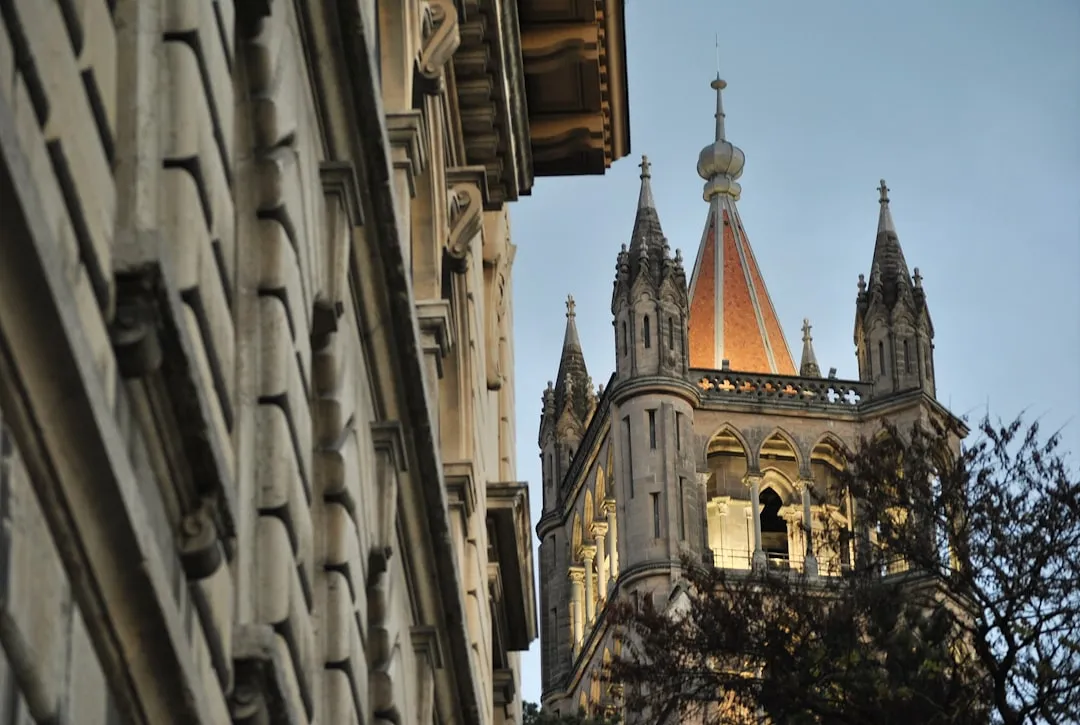
Perched above the shores of Lake Geneva on the Swiss Riviera, Lausanne Cathedral is more than a medieval landmark: it is a space where geometry, craft and the landscape meet. Visitors are greeted by soaring vaults, intricate tracery and a silhouette that has defined Lausanne's skyline for centuries.
Beyond its visible artistry, the cathedral provokes questions about how medieval builders used geometric systems and site alignment to create places of ritual power. Whether you approach it as an art historian, a seeker of sacred geometry, or a curious traveller, the cathedral rewards slow looking and careful listening.
A Gothic masterpiece in the heart of Lausanne
Lausanne Cathedral is one of Switzerland's finest examples of High Gothic architecture, notable for its richly sculpted façade, rose windows and a pronounced verticality that draws the eye upward. The exterior presents a gallery of stone narrative and a careful rhythm of buttresses and pointed arches that frame the city.
Inside, the nave opens into a rhythm of bays and ribs where light from stained glass animates carved capitals and the stone floor. The experience is deliberately theatrical: architecture, light and liturgy combine to shape perception and devotion.
Sacred geometry: proportions and symbolism
Medieval master masons worked with geometric modules and proportional relationships to design cathedrals. In Lausanne, the articulation of aisles, the choir layout and the patterning of the vaulting reflect a coherent system where measures and ratios guide both structure and symbolism.
These proportional choices were rarely arbitrary. They encoded cosmological ideas, biblical numerology and a visual grammar that linked the building to theological concepts. Tracery, window lancets and the alignment of chapels carry symbolic weight as well as structural function.
Telluric energies and site alignment
The notion of telluric energies—subtle earth currents or geomantic forces—has become part of contemporary discussions about sacred sites. Lausanne Cathedral's siting on a promontory above Lake Geneva, its orientation and its relationship to the surrounding topography feed both historical and esoteric readings.
Scientific consensus remains cautious about claims of measurable 'energies'; yet many visitors report strong aesthetic and emotional responses tied to the cathedral's placement, vistas and internal acoustics. Whether explained by landscape psychology, light, or tradition, the sense of place is undeniable.
Light, sound and ritual: experiencing the cathedral
One of the cathedral's most immediate languages is light. Stained glass and clerestory windows sculpt time with color and shadow, turning architectural geometry into moving patterns across the floor and columns. Seasonal changes and weather dramatically alter this luminous choreography.
Sound also plays a crucial role. The vaults and nave amplify chant and organ, creating resonances that deepen the liturgical atmosphere. For many visitors, it is the combined effect of sight and sound—geometry made audible—that defines the encounter.
Visiting tips and further reading
To appreciate the cathedral's geometry, allow time for both exterior study and interior contemplation. Morning light often highlights the eastern windows, while late afternoon can produce warm tones on the west façade. Guided tours and tower visits offer close-up views of masonry and skyline panoramas.
For authoritative background, see the detailed historical overview on Wikipedia and broader context about Swiss heritage on National Geographic. Practical visitor information is also available via local tourism sites and museum resources.
Thanks for reading, and don't forget, Enjoy Life Moments!