The French Riviera, territory of inspiration
🚀 Key Takeaways
- Core idea : The Riviera blends light, history and culture to fuel creativity.
- Practical tip : Visit in spring or autumn to enjoy light and avoid crowds.
- Did you know : Grasse shaped modern perfumery and artists from Picasso to Matisse found inspiration here.
Sunlight feels like an invitation to dream.
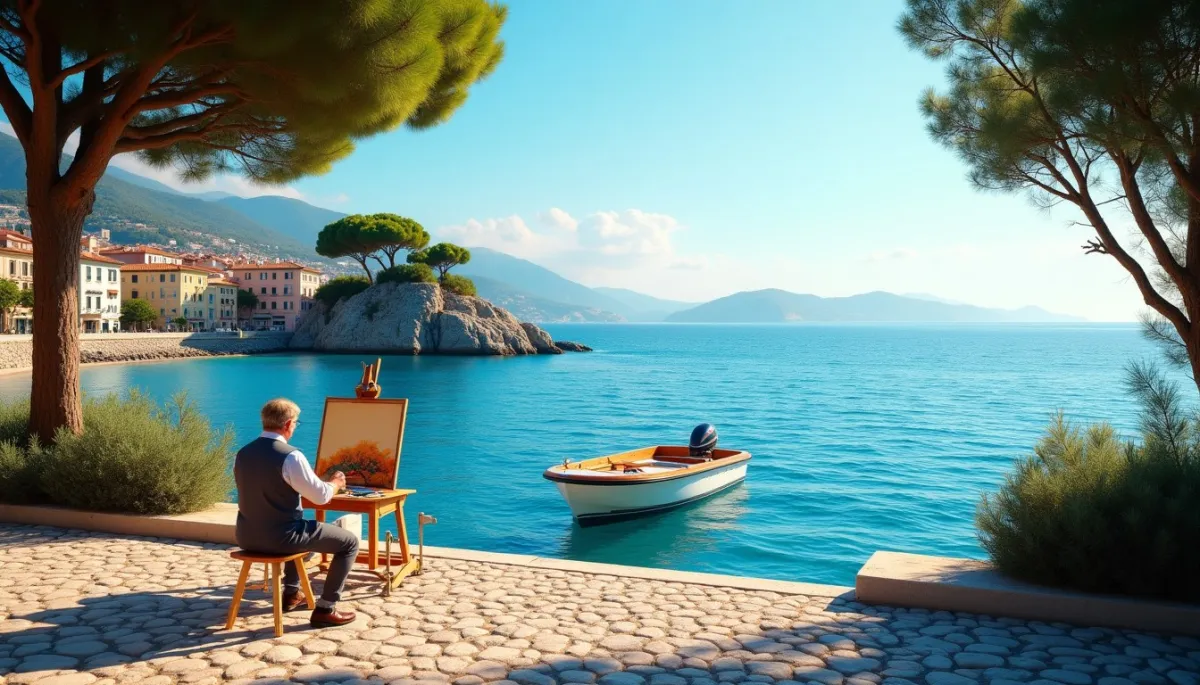
Imagine stepping off a TER train at Nice-Ville in a March morning, the air still cool, the Promenade des Anglais wet from an overnight shower and the sea flashing cobalt. A painter sets up an easel by the pebbles, a chef sketches a menu in a café on Cours Saleya, and a young perfumer fills vials with bergamot at a workshop in Grasse. That simultaneity — art, food, scent — is the Riviera's signature.
The consequence is tangible: every year the coastline fuels festivals, ateliers and new projects that borrow from its light and history. Cannes and its film festival remain magnets for cinema makers. Antibes welcomes painters' residencies, and Monaco stages events that mix technology, design and luxury hospitality. The Riviera's image is reproduced on postcards, films and haute cuisine menus alike, turning places like Villefranche-sur-Mer or Cap d'Antibes into archetypes of Mediterranean glamour.
Onde d'inspiration
Concrete stories prove this influence. Picasso painted at Château Grimaldi in 1946, giving Antibes an artistic aura that endures with the Musée Picasso. Villa Noailles on the Hyères peninsula hosted avant-garde designers and continues to commission contemporary works. Every summer, Nice's MAMAC and the Fondation Maeght in Saint-Paul-de-Vence program exhibitions that attract curators and collectors from worldwide.
Music and cinema also echo the coastline. Jazz à Juan, created in 1960 in Juan-les-Pins, drew legends like Miles Davis and continues to inspire musicians. The Cannes Film Festival, created in 1946, shaped global cinema circuits and gave the Riviera a cultural calendar that defines seasons and hotel bookings.
On a smaller scale, local artisans keep traditions alive. In Grasse, perfumers such as Fragonard and Molinard run workshops where visitors learn distillation of jasmine and rose. At markets on the Côte, producers sell olive oil from Bellet vineyards and socca from Niçois bakers, culinary notes that feed travel writing and chefs' menus around the world.
Lumière et mémoire
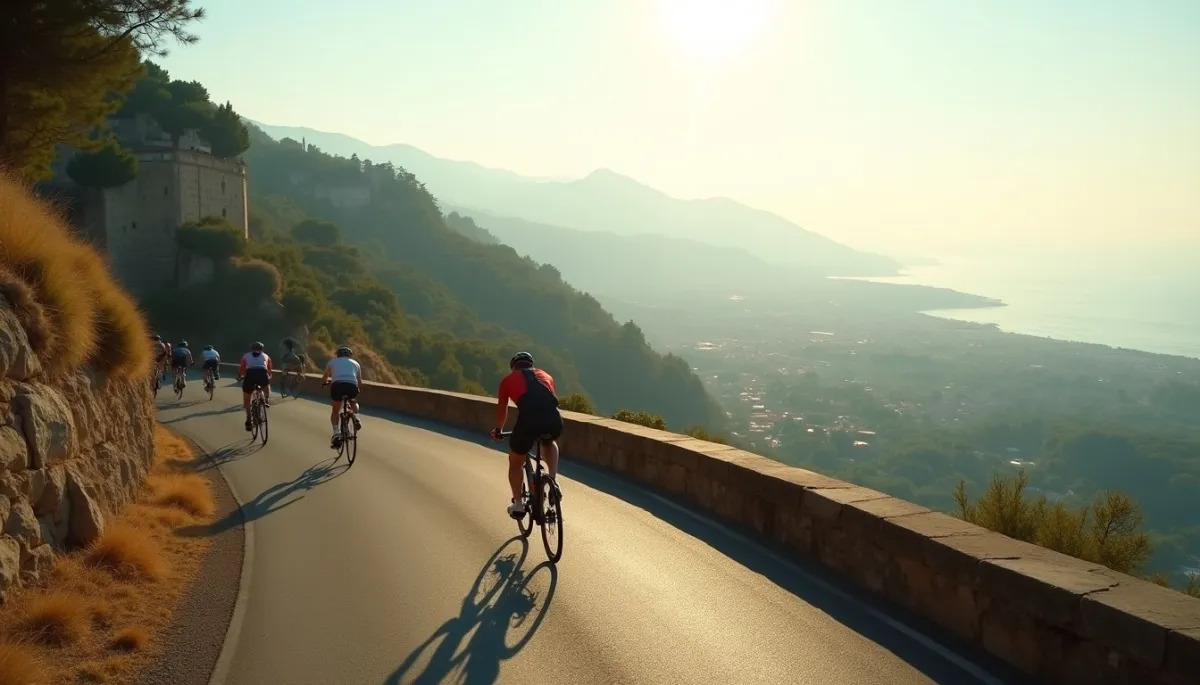
Why does the Riviera inspire? First, the geography and climate. The particular angle of Mediterranean light, the low winter sun and clear air create colors and shadows artists chase. The three corniches between Nice and Menton sculpt dramatic viewpoints, and hidden coves like those on Cap Ferrat offer intimacy mixed with grandeur.
Second, a layered history. From British winter colonies in the 19th century to Belle Époque villas and the jet-set of the 20th century, the coast accumulates stories. Figures such as Cocteau, who left his mark in Menton and Saint-Jean-Cap-Ferrat, and writers like F. Scott Fitzgerald who set part of Tender Is the Night here, made the Riviera a narrative landscape.
Third, institutional support and creative ecosystems matter. Museums, festivals and residencies provide infrastructure for creation. Public and private patrons maintain villas and collections, while newer players—design startups, culinary incubators, eco-resorts—redefine what inspiration means for a sustainable 21st-century Riviera.
Entre éclat et fragilité
However, the Riviera's fame brings contradictions. Overtourism in July and August crowds beaches and streets. Real estate pressure raises rent and risks displacing local artisans. The very glamour that attracts investment can hollow out the authentic daily life that once fed creative practices.
Climate change is another challenge. Rising sea levels, heatwaves and water stress affect gardens, olive trees and vineyards of Bellet, and impact the seasonal cycle of flowers that perfumers depend on. Marine biodiversity faces pressure from pleasure boating and urban runoff, prompting local conservation efforts and the creation of protected zones around the Lérins islands.
Responses are emerging. Municipalities promote shoulder-season tourism, museums expand residencies with sustainability clauses, and marinas introduce electric boat incentives. Grassroots initiatives combine artisanal know-how with eco-design, while chefs turn to local producers and foraged ingredients. Balancing protection and inspiration is the Riviera's next creative act.
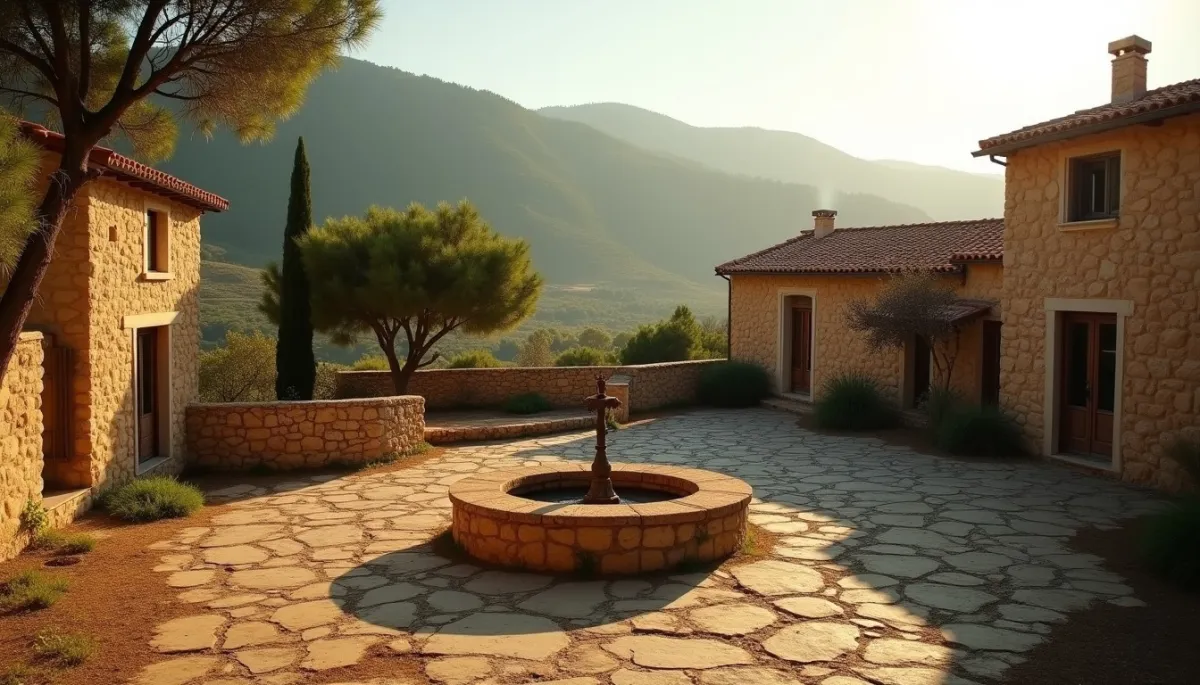
Practical advice: avoid peak July-August if you seek quiet inspiration. Take the train along the coast rather than driving, book perfumery or culinary workshops in advance, and explore lesser-known routes such as the hill villages of Èze and Saint-Paul-de-Vence for calmer viewpoints. Respect local rhythms, and you'll find the Riviera generous as ever.
In short, the French Riviera remains a territory of inspiration because its light, layered history and active cultural life continue to attract creators. The future depends on adapting its economy and environment so that artists, residents and visitors can keep meeting on its promenades, in its ateliers and on its terraces.
Thanks for reading, and don't forget, Enjoy Life Moments!