Living on the French Riviera year-round
🚀 Key Takeaways
- Key concept: The Côte d'Azur offers mild winters, intense summers and a high quality of life.
- Practical tip: Favor rented furnished apartments in Nice or Antibes to settle quickly; visit markets like Cours Saleya to feel local life.
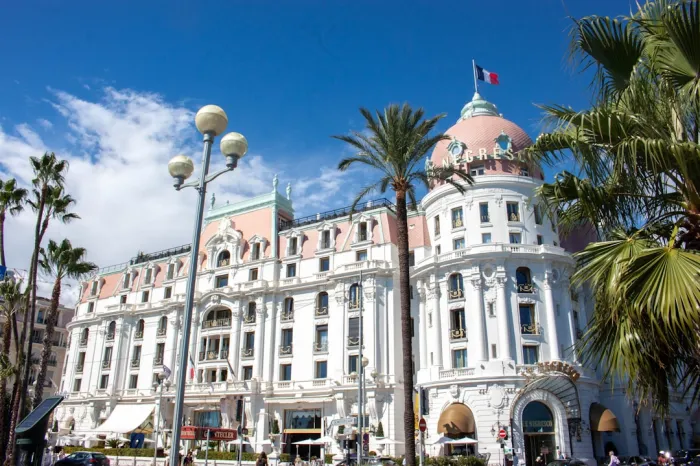
- Did you know: The Riviera became a winter destination for British and Russian aristocracy in the 19th century, shaping its architecture and gardens.
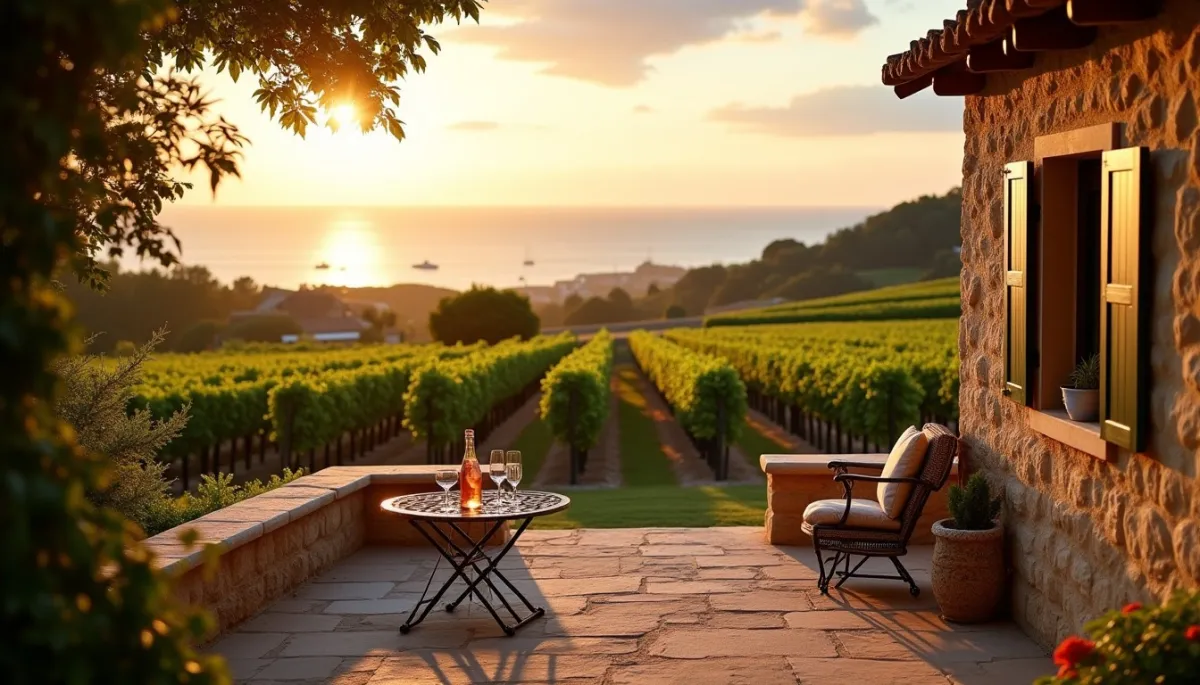
Living here year-round means embracing contrasts: quiet coves in winter, buzzing terraces in July. It also means dealing with practical realities, from housing costs to traffic during peak season.
In this guide I share the neighbourhoods, the administrative steps, budgeting tips and the small local secrets that make everyday life on the Côte d'Azur a pleasure rather than a challenge.
Why choose the Côte d'Azur for full-time living
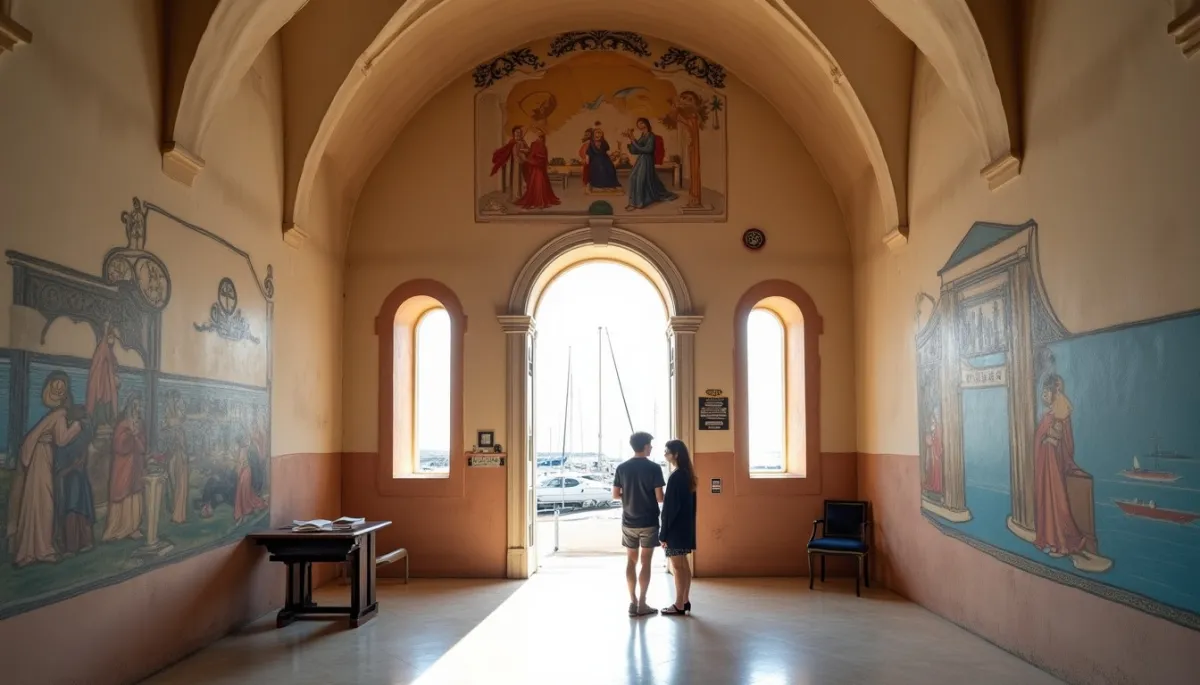
The climate is the obvious draw: long sunny periods, mild winters and sea air that improves well-being. But beyond the weather, it is the cultural richness that convinces many to stay. Museums like the Matisse in Nice and the Picasso museum in Antibes are part of a dense cultural fabric.
History matters here. From Roman ports to the Belle Époque villas and the 19th-century English promenade, the Riviera's past is visible in its gardens, churches and old town quarters. You live among layers of history that give the place its character.
Where to settle: towns and neighbourhoods
Cities differ. Nice combines transport, healthcare and international connections via Nice Côte d'Azur airport and the tram network. Antibes and Juan-les-Pins are calmer, with excellent markets and marinas. Cannes is lively during events like the film festival but quieter the rest of the year. Saint-Tropez is more seasonal and can be more expensive to live in year-round.
For families, look at suburban towns such as Valbonne or Vence for schools and green spaces. For those wanting a village feel, Eze and Saint-Paul-de-Vence are classic choices, though property prices reflect their charm.
Costs and practical matters: housing, healthcare, administration
Housing is the biggest line in the budget. Furnished rentals are convenient for a quick start; expect a security deposit typically equal to one month's rent for a furnished place, two months for unfurnished. Notarial fees apply when buying property. Work with reputable local agencies and a notary you trust.
Healthcare is accessible: register with the local CPAM and obtain a carte vitale once you are resident. Many internationals combine public coverage with private top-up insurance for faster specialist access. For tax and residency questions consult a tax advisor experienced with expatriates.
Daily life: markets, gastronomy, transport
Market life is central. Cours Saleya in Nice, Forville market in Cannes, and the old port markets in Antibes are where food, gossip and provençal products meet. Eat seasonal produce: citrus and olive oil in winter, tomatoes and figs in summer. Learn to love socca, pissaladière and local rosé.
Transport works well along the coast: the TER trains connect towns quickly, and local buses and trams serve city centres. Owning a car gives freedom for hinterland trips to the Esterel or Mercantour, but parking and traffic in summer require planning.
Seasons, community and daily rhythm
Seasonal rhythms shape social life. Winter brings a smaller, tight-knit community of residents, artists and long-stay professionals. Summer expands the social scene with tourists and numerous festivals, from the Nice Carnival to the Monaco Grand Prix weekend atmosphere.
Integrate by attending local associations, markets and sporting groups. Learning French opens many doors; even basic effort is appreciated and accelerates friendships and administrative procedures.
Thanks for reading, and don't forget, Enjoy Life Moments!