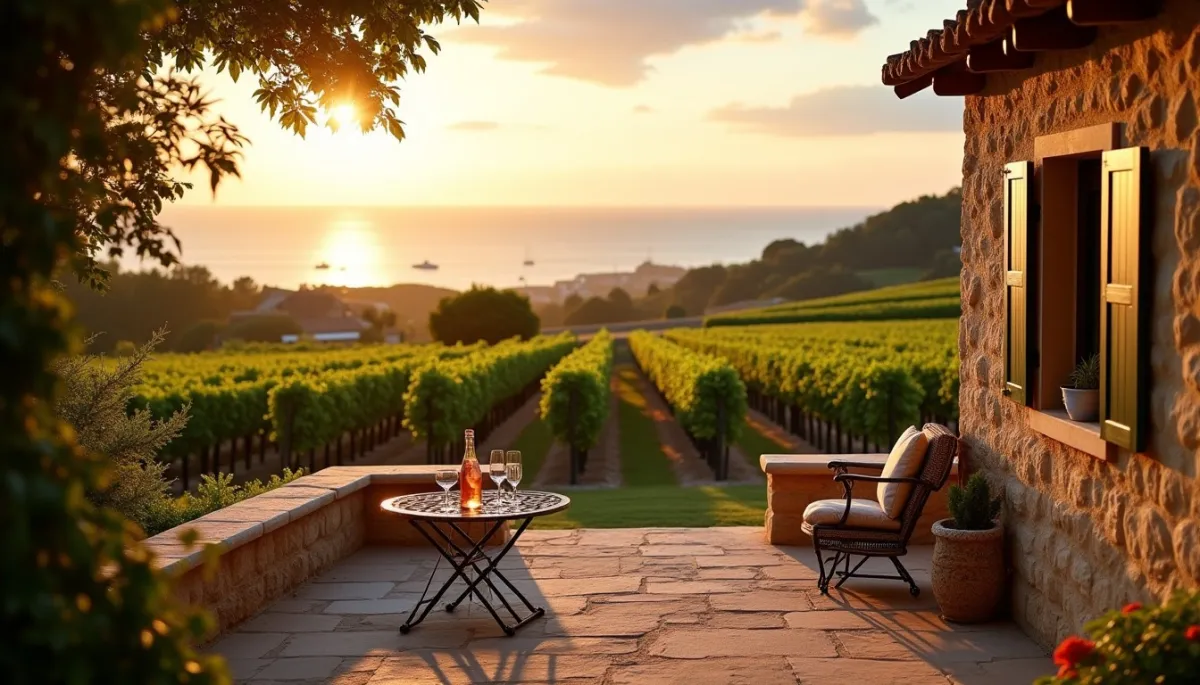
The secret gardens of Menton: the microclimate, between flora and well-being
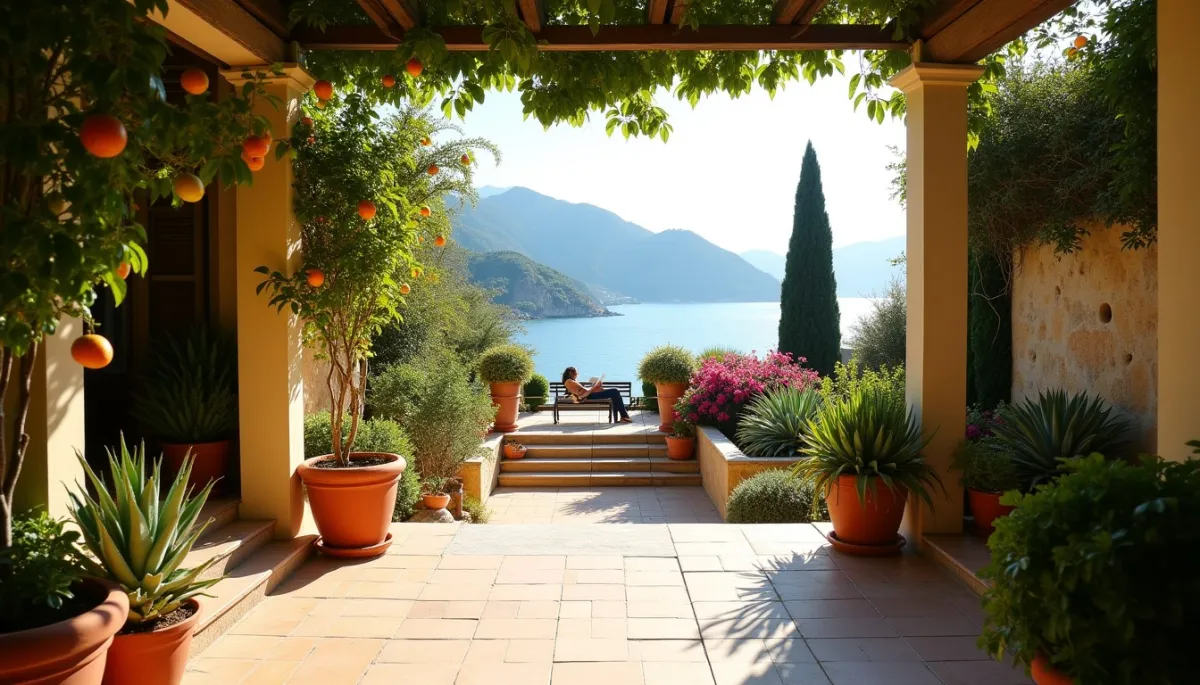
On the sheltered coast of Menton, the gardens seem to hold treasures. They reveal how a rare microclimate nourishes amazing plants and calms the mind.
🚀 The essentials
- Key concept: The microclimate of Menton allows the development of subtropical species in small gardens.
- Handy tip: Visit in early spring for citrus blooms and quieter walks.
- Did you know: Figures like Lawrence Johnston and Vicente Blasco Ibáñez have shaped these spaces.
Close your eyes, smell the orange blossom. You are in a pocket of mildness, where the sea cuts off the bitter cold, and where the hills stop the north wind.
sunny shelters
Menton occupies a unique corner of the Riviera, sheltered by the Maritime Alps. This relief and the proximity of the sea create a microclimate: mild winters, few frosts and more spring days than in the surrounding lands.
The consequence is visible to the eye. In sometimes tiny plots, palm trees, agaves, camellias and citrus fruits live side by side with Mediterranean vegetation. Famous gardens embody this mix, such as the Madonna Greenhouse, designed by the Englishman Lawrence Johnston in the 1920s, or the Fontana Rosa, created by the writer Vicente Blasco Ibáñez at the beginning of the 20th century. These places look like botanical travel diaries.
Beyond aesthetics, these gardens play a role in well-being. Plant diversity, subdued light and the murmur of the sea form restorative environments. Research on green spaces shows a reduction in stress and a calming of the heart rate after short immersions, and Menton offers these natural interludes within walking distance.
roots of abundance
The cause of this wealth is both natural and human. Geography provides the setting, the sea modulates temperatures and the hills provide protection. Man adds curiosity and technique. In the 19th and 20th centuries, travelers and collectors introduced exotic species, creating assemblages adapted to local micro-habitats.
Lawrence Johnston, already known for Hidcote in England, established the Serre de la Madone in the 1920s. He created terraces and shelters to protect his collections. Fontana Rosa, with its colorful tiles and literary quotations, shows how culture and gardening mingle in Menton.
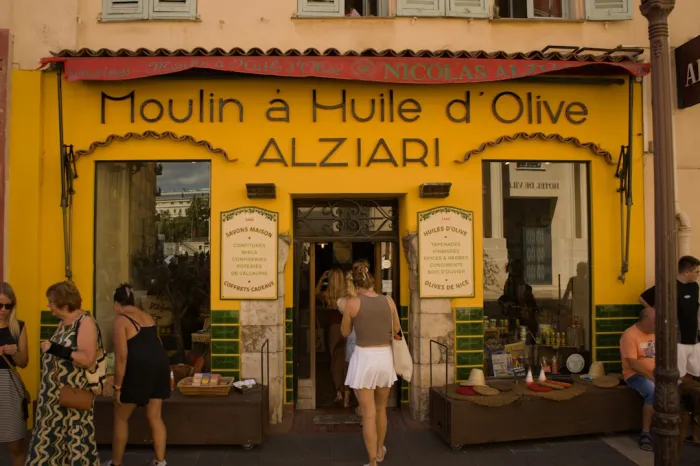
Local agriculture also benefits from the climate. The Menton lemon, appreciated by chefs and perfumers, owes a lot to these mild conditions. The quality of its fragrance and the regularity of its flowering have contributed to festivals and traditions, which anchor the social link between gardens and local life.
shadows and care
However, all is not idyllic. Microclimates require careful management. Exotic collections can be fragile to pests and diseases, and water management becomes crucial with hotter summers.
Tourism brings income and constraints. Gardens open to the public attract visitors in search of calm, but the influx requires developments, paths and teams to preserve the places. Local associations and municipal services work together to maintain essential walls and terraces.
The future poses subtle challenges. A milder winter may allow new species, but drier summers increase water stress. Adaptation will involve sustainable gardening practices, mulching, stratified plantings and choice of resistant species.
Practical advice: favor early morning visits for freshness and daylight, sign up for a guided tour to understand microhabitats, and if you garden, apply the logic of layers: large tree, intermediate shrubs, resistant low plants to create a protective ecosystem.
Thanks for reading, and remember, Enjoy life's moments!