Travel slowly on the French Riviera
The French Riviera lends itself wonderfully to slow travel: from perched villages to intimate ports, including discreet beaches and secret gardens. In 2026, the trend is clear: travelers are looking for authenticity, quality and a gentler pace.
This guide offers concrete ways to slow down intelligently — itineraries, gentle modes of travel, gourmet addresses and committed accommodation — in order to experience the Côte d'Azur differently, outside of the hectic tourist tempo.
Why choose slow travel on the Côte d’Azur
The Riviera is not just a luxury setting; it is a territory of microcities, artisans and changing landscapes where each street tells a story. Traveling slowly allows you to understand the contrasts: Mediterranean gardens, Provençal hinterland and luminous coasts.
Slowing down also means reducing your footprint and creating richer returns: a morning at the market, a nap in the shade of an olive tree, a discussion with a local producer are better than a succession of images taken on the fly.
Gently paced routes
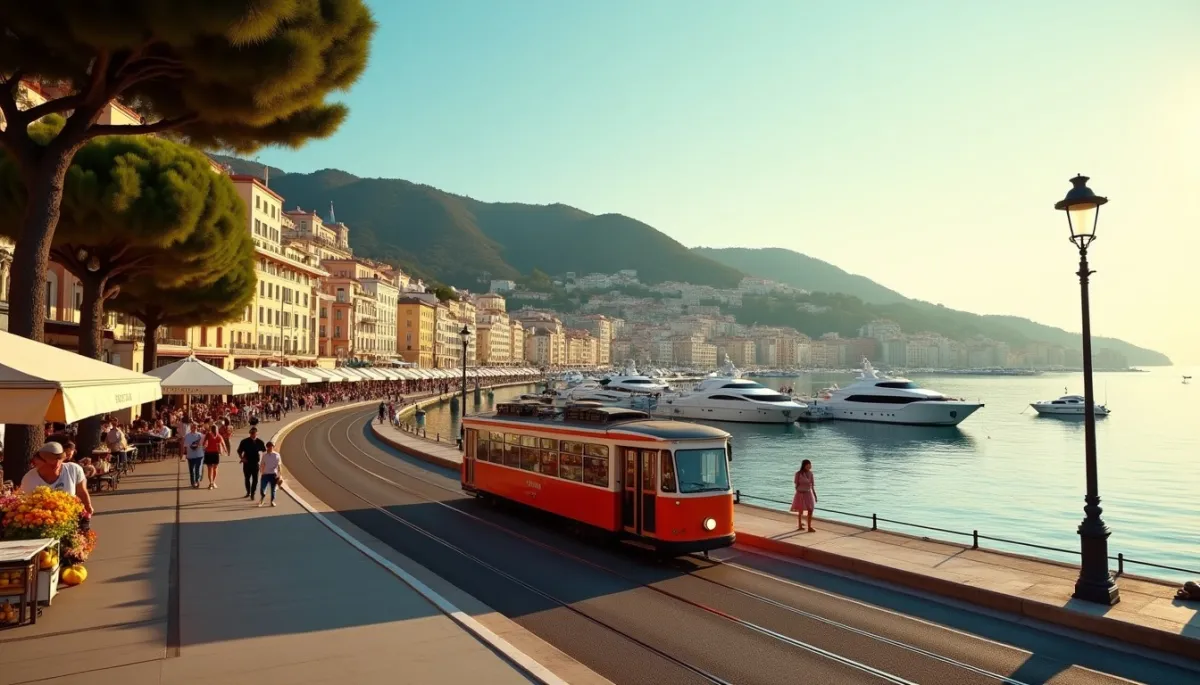
Opt for short stages: for example, three days in Nice for the Promenade des Anglais, Old Nice and the hills, then two days in Antibes for the medieval streets and the Cap d'Antibes. From Cannes, leave half a day for the Lérins Islands and another to stroll on the Croisette out of season.
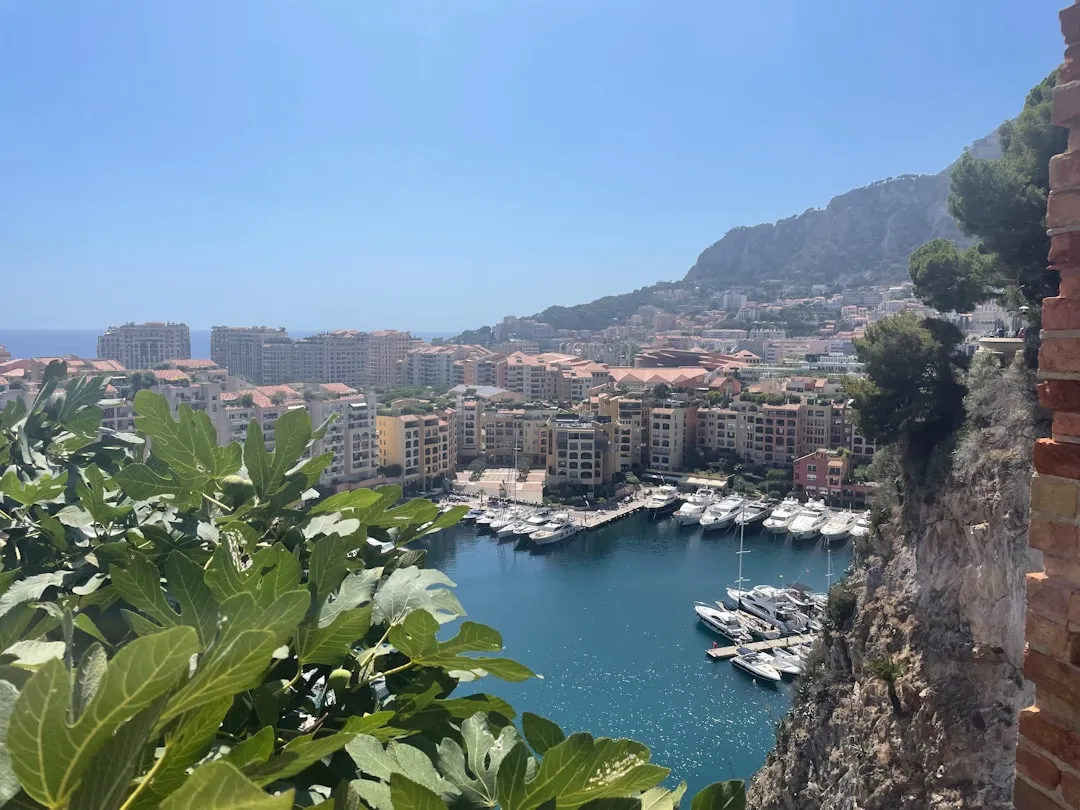
For Saint-Tropez and the villages of Var, opt for the ferry or the coastal road, avoiding rush hours. In Monaco, promise yourself a slow stroll through the gardens and alleys of the Rock rather than a rush to the attractions.
Getting around: train, bike, boat
Soft modes are the key to slow travel on the Riviera: the coastal train connects Nice, Antibes, Cannes and Monaco, offering stress-free panoramic views. Regional services have improved their accessibility and frequency in recent years, making the car often unnecessary for short journeys.
Complete by bicycle or e-bike to explore the coastal walks and the hinterland, and use the small maritime connections — boat taxis or ferries — to visit the islands or connect two ports. Walking remains the best way to appreciate a place at your own pace.
Sustainable accommodations and experiences
Choose charming hotels, guest houses or apartments rented for several nights: the long stay formula encourages local discovery (market shopping, shared cooking, meetings). More and more establishments display eco-responsible labels and zero waste practices.
Slow experiences — cooking workshops, full-day vineyard tours, craft classes, guided walking tours — allow you to immerse yourself without overconsuming. Favor local providers and small groups for an authentic exchange.
Flavors and gourmet breaks
The Riviera's gastronomy can be enjoyed without haste: go to the market (Cours Saleya in Nice, Provençal markets), taste socca, pissaladière, seafood and local rosés on the terrace. Long breaks around a dish encourage meetings and discovery of producers.
Reserve a table at a village inn or with a local chef for a slow, memorable experience. Buying directly from small producers (cheese makers, beekeepers, fishermen) supports the local economy and offers unique flavors.
Practical tips for traveling slowly
Traveling slowly means reducing the pace: limit the number of stops, plan days without a program, book accommodation suitable for longer stays. Avoid July-August if you're looking for peace and quiet — choose spring or fall for mild temperatures and fewer crowds.
Think sustainable: light luggage, local purchases, shared or electric transport, and respect for natural spaces. Leave room for the unexpected: sometimes the best discovery is the one you didn't plan for.
Useful resources and links
To find out more about the history and geography of the region, consult the official Wikipedia page: Côte d'Azur — Wikipedia.
For maps, events and local markets, go to the destination's official website: Côte d'Azur France — Tourist Office.
Thanks for reading, and don't forget, Enjoy Life Moments!